
Cost to Install Fascia in 2025: What You’ll Pay per Foot and the Real Project Average
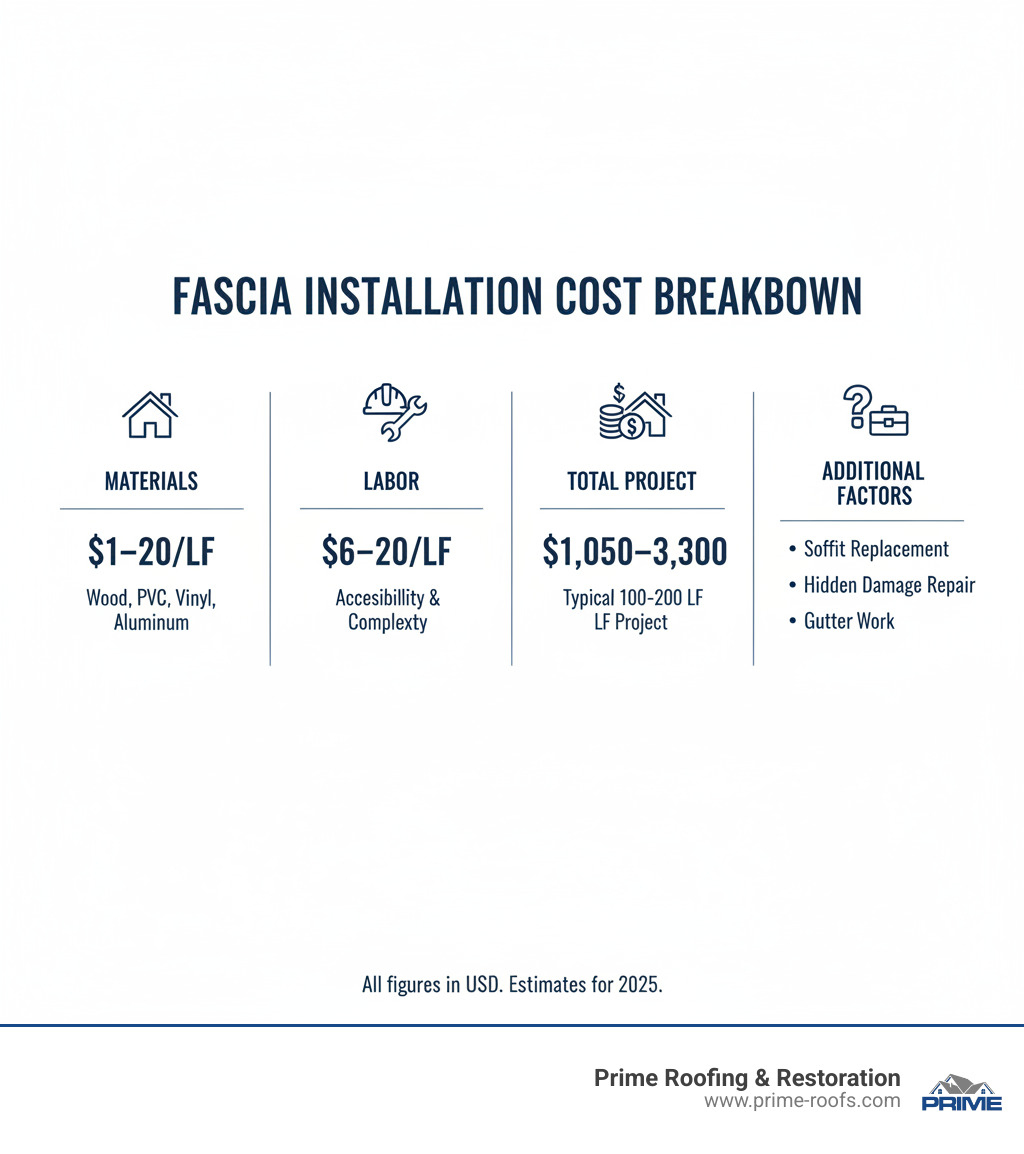
The cost to install fascia typically ranges from $7 to $22 per linear foot, with most homeowners paying around $2,500 for a complete replacement on an average-sized home. This seemingly simple component of your roofline plays a massive role in your home’s structural health, and understanding the costs involved is the first step toward a smart investment. For immediate, expert assistance, contact a trusted roofing contractor in Central Alabama at (205) 555-7663 to get a fast, no-obligation assessment tailored to your roofline and budget. Here’s a quick overview of what you can expect:
| Cost Component | Price Range |
|---|---|
| Materials only | $1–$20 per linear foot |
| Labor only | $6–$20 per linear foot |
| Total installed cost | $7–$22 per linear foot |
| Average project (100–200 LF) | $1,050–$3,300 |
| National average | $2,500 |
Fascia boards are the long, straight boards that run along the lower edge of your roof, directly behind the gutters. They are crucial architectural elements that serve a dual purpose: they provide a finished, clean look to your roof’s edge and, more importantly, protect the exposed wooden rafter tails from water damage and pests. They also provide the solid backing needed to support your gutter system. When fascia fails, it’s not just a cosmetic issue; it can lead to serious problems like roof rot, pest infestations, and detached gutters that can cause foundation damage. Fortunately, understanding the cost is straightforward and depends on three primary factors: the material you choose, the total length of your project, and the complexity of the installation. For homeowners seeking reliable and comprehensive roofing and exterior restoration services, understanding these costs is the first step toward protecting their most significant investment.
When your fascia fails, the consequences are serious and can cascade quickly. Water can seep behind your roofline, causing insidious rot in your roof decking and even your home’s structural framing. Pests like squirrels, birds, and insects can find an easy entry point into your attic, leading to contamination and damage. Your gutters, heavy with water, may pull away from the rotted wood and detach from the house entirely, rendering them useless and potentially damaging your siding and landscaping.
I’m Bill Spencer, owner of Prime Roofing & Restoration. With years of hands-on experience in the roofing industry across Central Alabama, I’ve guided hundreds of homeowners through fascia installations, helping them make smart, informed decisions that protect their homes and their budgets. Our team at Prime Roofing & Restoration specializes in these essential exterior services, ensuring every job is done right the first time.
Important cost to install fascia terms:
The National Average Cost to Install Fascia in 2025
In 2025, the estimated cost to install fascia boards starts at $8.10 – $12.37 per linear foot for standard installations. More broadly, a full replacement project typically costs between $7 and $22 per linear foot, a range that includes both materials and professional labor. For an average-sized American home needing 100 to 200 linear feet of fascia, the total project cost averages $2,500, with a common price window of $1,050 to $3,300. It’s important to view this as a baseline figure. The final cost you pay will be directly influenced by your choice of material, the complexity of your roof’s architecture, and the prevailing labor rates in your specific geographic area.
Understanding the Cost Breakdown
The total cost to install fascia is almost always an even split between two main categories: materials and labor. Understanding how each contributes to the final bill will help you budget effectively.
Material Costs: The type of material you select is a significant cost driver, with prices ranging from as little as $1 per linear foot for basic, unfinished pine wood to over $20 per linear foot for high-gauge, pre-finished aluminum. Each option—from wood and fiber cement to PVC, vinyl, and aluminum—offers a different balance of durability, aesthetic appeal, maintenance requirements, and upfront cost. We will explore these options in greater detail further in the article.
Labor Costs: Professional labor for fascia installation typically runs from $6 to $20 per linear foot. This cost covers the entire process: the careful removal and disposal of the old, damaged boards; preparing the underlying rafter tails for the new installation; precisely cutting and fitting the new fascia boards; and applying finishing touches like painting, sealing, or installing protective aluminum cladding. The complexity of your roof (e.g., multiple stories, steep pitches) and the ease of access to the work area are major factors that determine where your project falls within this price range.
How Project Length Impacts the Total Cost to Install Fascia
The single biggest driver of your total cost to install fascia is the length of your roof’s edge, measured in linear feet. More linear feet means more materials are needed and more labor hours are required to complete the job. A simple rectangular or L-shaped home will have significantly less fascia than a home with a complex, multi-faceted roofline featuring numerous gables, dormers, and valleys. Each corner and angle adds complexity, requiring more precise miter cuts and increasing installation time.
To get a rough estimate for your project, you can measure the exterior walls of your home where fascia is present, including any overhangs on gable ends. For a simple rectangular house that is 50 feet long and 30 feet wide, you would have (50 + 30) x 2 = 160 linear feet of fascia. While an average home has between 100 and 200 linear feet, unique architectural designs can easily require 300 linear feet or more, which will directly and proportionally increase the total project cost.
Key Factors That Influence Your Fascia Installation Cost
While national averages provide a helpful starting point, your actual project cost will be unique to your home. Several key variables—from the specific type of wood you choose to the pitch of your roof—determine your final price. Understanding these factors in detail helps you anticipate the true cost, compare quotes intelligently, and avoid any unwelcome surprises on the final invoice.
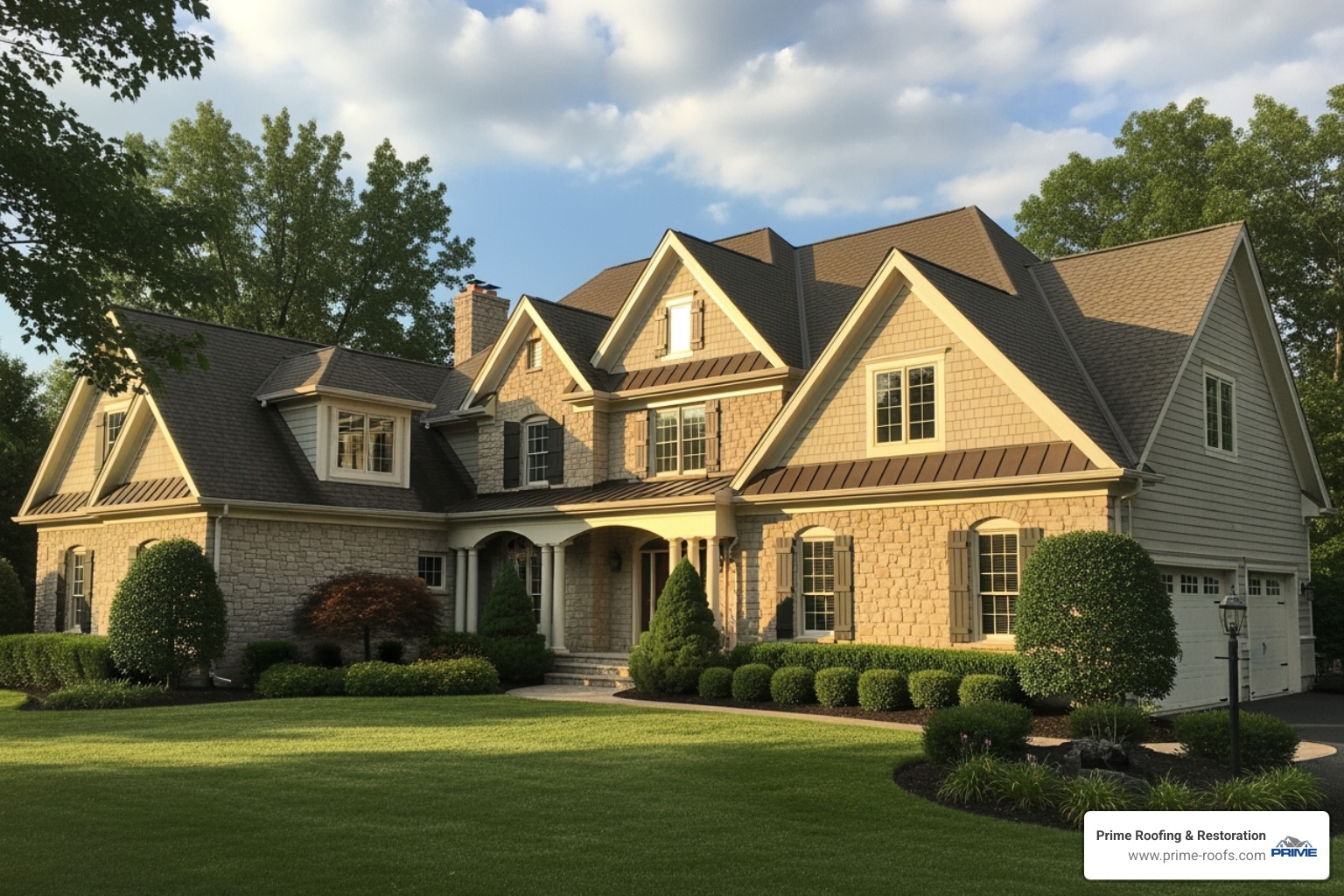
Material Choice: A Comparison of Cost vs. Durability
Your choice of fascia material is one of the most significant decisions you’ll make, impacting both the upfront cost to install fascia and the long-term maintenance expenses. It’s a classic trade-off: a lower initial investment that requires regular upkeep versus a larger upfront cost that offers decades of worry-free durability.
Wood is the most traditional and affordable option at $1 to $3 per linear foot for the material itself. Common choices include inexpensive pine, which must be primed and painted on all sides for protection, and more premium options like cedar and redwood, which have natural resistance to rot and pests. While wood offers a classic, authentic look, it is inherently vulnerable to moisture, pests, and rot. It requires diligent maintenance, including repainting every 3-5 years, and typically lasts only 5 to 15 years in most climates.
PVC (Cellular PVC) fascia is a fantastic and durable upgrade, costing $3 to $7 per linear foot. This engineered plastic material is completely impervious to moisture and pests. It won’t rot, split, or warp. It often comes with realistic wood grain textures, can be painted, and can even be heat-bent for curved architectural applications. With minimal maintenance, PVC fascia can last 20 to 30 years or more.
Vinyl fascia is similarly priced at $5 to $9 per linear foot. It’s important to distinguish between solid vinyl boards and the more common vinyl wrap or cladding, which is installed over a wood substrate. While lightweight, waterproof, and available in various colors to eliminate painting, a vinyl wrap can trap moisture against the underlying wood if not installed perfectly, leading to hidden rot. Its typical lifespan is 10 to 20 years.
Aluminum fascia, at $8 to $20 per linear foot, is a premium option offering exceptional weather resistance. It’s typically a pre-finished coil stock that is custom-bent on-site to wrap existing or new wood fascia boards, protecting them completely. It will never rust or corrode, making it ideal for harsh, wet, or coastal climates. Proper installation is key to avoid a wavy appearance known as “oil canning.” A well-installed aluminum system can last 20 years or more.
Fiber cement offers remarkable value at just $1 to $5 per linear foot for materials, with a lifespan that can exceed 30 years. Made from a mix of cement, sand, and cellulose fibers, it’s fire-resistant, impervious to pests and rot, and dimensionally stable. While it comes primed and requires painting, it holds paint much longer than wood. Its primary downside is its weight and the need for special tools for cutting, which can slightly increase labor costs, but its longevity provides significant long-term value.
| Material Type | Average Cost Per Linear Foot (Material Only) | Typical Lifespan | Key Features |
|---|---|---|---|
| Wood | $1–$3 | 5–15 years | Most affordable upfront, but prone to rot, pests, and requires regular painting/sealing. |
| PVC | $3–$7 | 20–30+ years | Durable, resistant to moisture and pests, often resembles wood grain, low maintenance. |
| Vinyl | $5–$9 | 10–20 years | Lightweight, waterproof, resistant to pests and water damage, comes in various colors, low maintenance. |
| Aluminum | $8–$20 | 20+ years | Highly durable, weather-resistant, non-corrosive, low maintenance, excellent protection. |
| Fiber Cement | $1–$5 | 30+ years | Extremely durable, fire-resistant, impervious to pests and rot, paintable, significant long-term value. |
Labor Rates and Project Complexity
Labor costs are highly variable and depend on the difficulty of the installation. A single-story ranch-style home with a low-pitched roof and clear, accessible eaves represents the most affordable scenario. However, several factors can significantly increase labor costs:
- Multi-story homes inherently add complexity and risk, requiring extensive ladder work, scaffolding, or even lifts. This can increase labor costs by 7% to 15% or more due to safety precautions and time.
- Steep roof pitches (typically over a 6/12 pitch) are more dangerous for crews to work on and demand specialized safety equipment and techniques, raising labor expenses.
- Hard-to-access areas blocked by mature landscaping, decks, patios, or other structures may require scaffolding or specialized lifts, adding to the project’s time, equipment rental fees, and overall cost.
Our team at Prime Roofing & Restoration is fully equipped and trained to handle any roofline challenge safely and efficiently. For a complete exterior upgrade, our professional roof installation services can include fascia work as part of a comprehensive, cost-effective package.
Geographic Location: How Your Zip Code Affects Pricing
Your geographic location significantly impacts the cost to install fascia due to wide variations in local labor rates, material transportation costs, and even regional building codes. For instance, a standard 150-foot fascia replacement in a high-cost metropolitan area like New York might cost $1,800 to $3,600, while the exact same job in a more affordable market like rural Texas could be $1,100 to $2,800. Regional demand for qualified contractors also plays a role; in areas with high construction activity, labor rates may be higher. In Central Alabama, homeowners in communities like Alabaster, AL receive fair, competitive pricing that accurately reflects local market rates. While national averages are a good starting point, only a localized estimate from a reputable, local contractor can give you a true picture of your project cost.
Beyond the Boards: Additional Costs to Budget For
When planning your budget, it’s crucial to look beyond the primary costs of materials and labor. Several other factors can add to your total project cost. These can include the removal and disposal of old fascia, extensive site preparation, and potential permit fees required by your municipality. However, the most common and significant additional costs involve work on your soffits and gutters, which are physically and functionally connected to your fascia boards.
Soffit and Gutter Considerations
Fascia, soffits, and gutters form an integrated system to protect your roof’s edge and manage water runoff. It’s rare for one component to fail in isolation. If your fascia is rotted, it’s highly probable that your soffits—the panels covering the underside of the roof’s eaves—are also compromised, as water damage tends to spread. Replacing both soffit and fascia together is a common and recommended practice, typically costing $9 to $34 per linear foot. While this increases the total project cost, bundling the services saves a significant amount of money on labor by allowing crews to complete both tasks in a single, efficient visit. This integrated approach provides a complete, long-lasting solution rather than just patching one part of a larger, systemic problem. Learn more about how these components work together to protect your home on our page about the critical relationship between your Roof and Gutters.
Potential for Hidden Damage and Repairs
A major variable in any fascia replacement project is the condition of the underlying wood structure, specifically the rafter tails to which the fascia board is attached. When old fascia cracks, peels, or pulls away, it allows water to seep behind it, often causing extensive rot in the rafter tails and sometimes spreading to the roof sheathing (decking). Repairing this hidden damage is absolutely crucial for a successful new installation. Simply covering up the rot with a new fascia board is a critical mistake that will lead to premature failure of the new materials, wasting your entire investment.
A professional contractor will thoroughly inspect these areas before installation. This involves probing the wood with an awl or screwdriver to check for softness. If rot is found, repairs are necessary. For minor rot, an epoxy wood hardener and filler may suffice. For more significant decay, the rotted section of the rafter tail must be cut out and a new piece of pressure-treated wood, called a “sister,” must be securely attached alongside the existing rafter to provide a solid anchor point. While these repairs add to the overall cost to install fascia, they are a non-negotiable investment in your roof’s structural integrity. We always inspect for these issues beforehand to provide a transparent quote and prevent surprise costs. If you suspect hidden damage, a comprehensive Roof Repair Estimate can provide a full assessment of your entire roofing system.
Repair or Replace? Making the Right Financial Decision
Before you commit to a full replacement, it’s wise to assess whether a simple repair might be a more practical solution. The right choice depends on the extent and nature of the damage, the age and material of your current fascia, and which option proves more cost-effective in the long run. A small, localized problem on a relatively new installation is a good candidate for repair, while widespread damage calls for a full replacement.
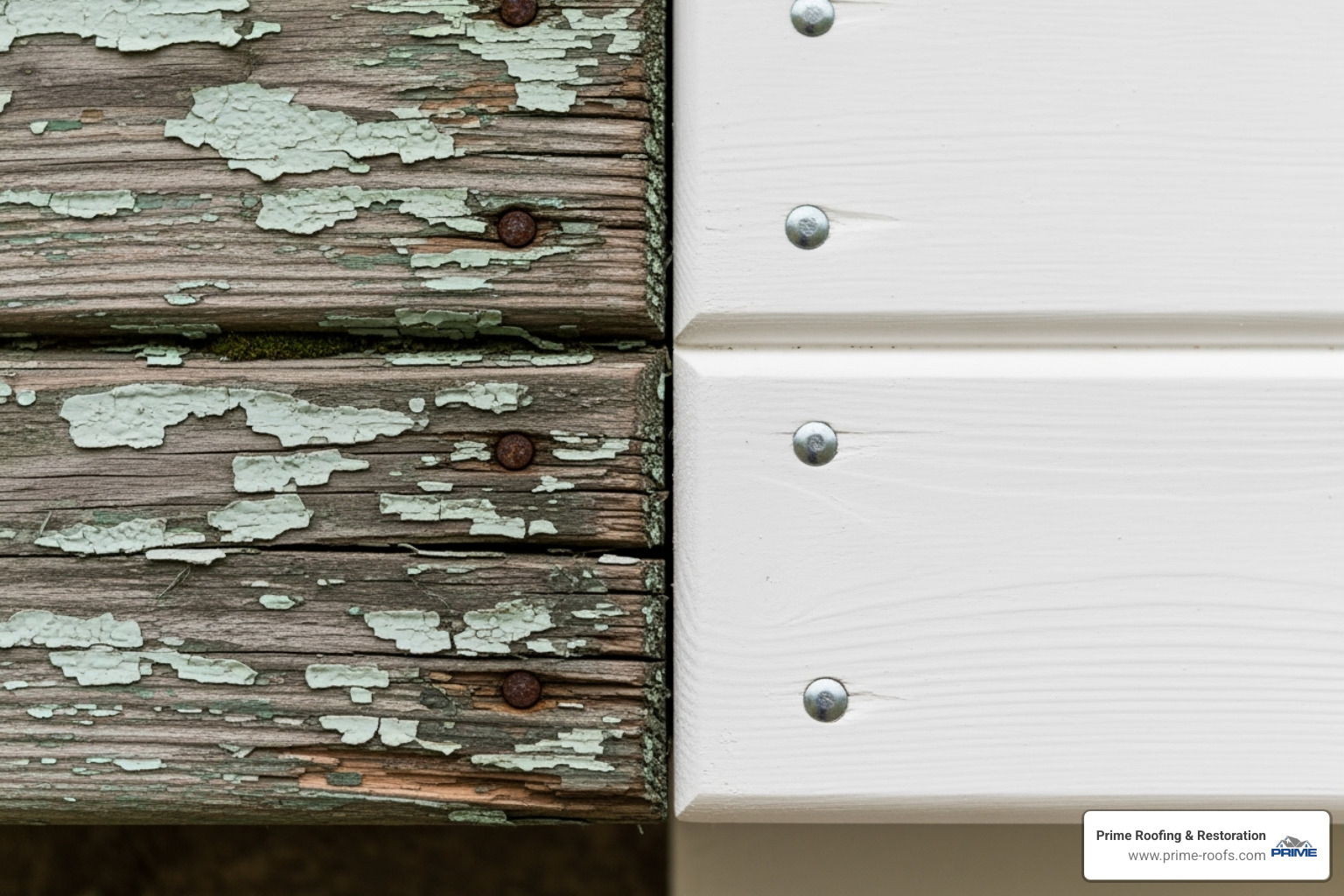
Signs Your Fascia Boards Need Attention
Knowing when to act can save you from far more extensive and costly structural repairs down the road. Your fascia will usually provide clear warning signs that a problem is developing long before it becomes a full-blown crisis.
- Peeling, bubbling, or flaking paint is often the first sign. This indicates that moisture is getting trapped underneath the paint layer, signaling the beginning of wood rot.
- Visible cracks, splits, or holes are direct entry points for water and pests. Even small cracks can allow significant water intrusion over time.
- Soft spots or crumbling wood are a sure sign of advanced rot. Gently press a screwdriver or an awl against the board; if it sinks in easily, the wood’s structural integrity is compromised.
- Dark water stains or mold/mildew growth on the fascia or on the exterior walls directly below it mean water is not being diverted properly and is saturating the boards.
- Evidence of pests, such as small insect holes, nests, or gnaw marks from squirrels, indicates the fascia is no longer serving as a protective barrier for your attic.
- Gutters pulling away or sagging from the roof edge is a major red flag. This suggests the fascia is too weak or rotted to support the weight of the gutters, especially when they are full of water.
Comparing the Cost to Install Fascia vs. Repairing It
The choice between repair and replacement ultimately comes down to the extent of the damage and long-term value.
Repair: For isolated, minor damage on an otherwise healthy board, a repair is a budget-friendly choice, often costing as little as $10 per linear foot. This can include scraping, sanding, and repainting sections ($10-$15/LF), or for small areas of rot, excavating the decayed wood and filling the spot with epoxy putty ($20-$50/sq. ft.). This approach works well for localized issues on fascia that is not near the end of its expected lifespan. However, if the damage is due to a systemic issue like a faulty drip edge, the root cause must be fixed as well.
Replacement: If the damage is widespread (affecting more than 30% of your total fascia), if there are multiple areas of significant rot, or if the underlying rafter tails are damaged, a full replacement is the wiser investment. While the upfront cost to install fascia is higher at $7 to $22 per linear foot, it provides a permanent, comprehensive solution with new, durable materials and a fresh start. Attempting to patch widespread damage often becomes a frustrating and costly cycle of repeated repairs, while the underlying structural issues remain unaddressed and continue to worsen. We provide an honest, thorough assessment to help you make the best long-term financial decision for your home.
How to Save Money and Hire the Right Pro
Understanding the costs associated with fascia work puts you in a powerful position to make smart financial decisions. The cost to install fascia is a significant but manageable home maintenance expense, especially if you know how to save money without cutting corners and how to hire the right contractor for the job. As noted by the U.S. Bureau of Labor Statistics’ Occupational Employment and Wage Statistics, labor rates are a major variable and differ by region, so understanding your local market is key to getting a fair price.
Smart Ways to Reduce Your Fascia Installation Cost
- Bundle Projects: This is the single most effective way to save on labor costs. Replacing your fascia, soffits, and gutters all at the same time means the crew only has to set up ladders and equipment once, saving you money on mobilization and daily setup fees. It’s especially cost-effective to bundle fascia work with a full roof replacement, as the roofing crew is already on-site.
- Schedule in the Off-Season: Late fall and early winter are often slower periods for exterior contractors in many climates. If your project isn’t an emergency, scheduling the work during these off-season months can sometimes lead to more competitive pricing or better availability.
- Choose Materials for Long-Term Value: While wood is the cheapest material upfront ($1-$3/LF), it requires frequent maintenance and may need replacement in as little as 5-15 years. Materials like fiber cement or PVC ($1-$7/LF) cost slightly more initially but can last 20-30+ years with almost no upkeep. The long-term savings on repainting and future replacement often make them the more economical choice over the life of your home.
- Get Multiple, Detailed Quotes: Always get at least three detailed, itemized quotes from licensed and insured local contractors. This allows you to accurately compare not just the bottom-line price, but also the specific materials proposed, the scope of work included (e.g., disposal, painting), and the warranties offered. Be wary of any quote that is significantly lower than the others.
What to Look for in a Fascia Installation Contractor
Hiring the right professional is just as important as choosing the right materials. A quality installation is crucial for a long-lasting result. Here’s what to look for:
- Licensing and Insurance: This is non-negotiable. Verify that the contractor holds all necessary state and local licenses. Crucially, ask to see current certificates of both general liability insurance and workers’ compensation insurance. This protects you from any liability in case of accidents or property damage.
- Strong Local Reputation: Look beyond the testimonials on their own website. Check independent review sites like Google, Yelp, and the Better Business Bureau for consistent, positive feedback. Ask for recent, local references for projects similar to yours and take the time to call them.
- Detailed, Written Estimate: A reputable contractor will provide a clear, itemized estimate that breaks down the costs for materials, labor, debris disposal, permits, and any finishing work. This transparency is essential for accurately comparing quotes and preventing misunderstandings.
- Thorough Inspection for Hidden Problems: A true professional won’t just measure and give you a price. They will perform a hands-on inspection of your existing fascia and soffits, probing for rot and assessing the condition of the underlying rafter tails. This proactive approach prevents costly surprise charges mid-project.
- Proper System Integration: A skilled contractor understands that fascia is part of a system. They will ensure the new fascia integrates correctly with the roof’s drip edge to prevent water from running behind it and provides a solid, level mounting surface for your gutters. Proper sealing and flashing are key to preventing future water damage.
- Workmanship Warranty: A contractor who is confident in their work will offer a written warranty on their installation labor, which is separate from the manufacturer’s warranty on the materials. This protects you if any installation-related issues arise down the line.
At Prime Roofing & Restoration, we proudly meet all these criteria. We are fully licensed and insured, provide transparent written estimates with robust warranties, and take immense pride in our craftsmanship. For homeowners in the Alabaster area, we offer professional service that treats your home as if it were our own.
Protect Your Investment with Professional Fascia Installation
Your home’s fascia boards are a small but critical line of defense, protecting your entire roof structure from the persistent threats of water, pests, and decay. Ignoring failed fascia is a costly mistake that can lead to rotted rafters, water-stained interior walls, and collapsed gutters. While the average cost to install fascia is around $2,500, this proactive investment is minimal compared to the far more expensive structural repairs it prevents. A timely fascia replacement today can easily save you from a potential $20,000 roof deck and rafter replacement project in the future.
Making a smart, lasting investment in your home’s exterior comes down to three key decisions: thoroughly understanding the cost drivers like materials and labor complexity, choosing materials based on long-term value and climate suitability instead of just the upfront price, and hiring a qualified, insured, and reputable professional to do the job right.
At Prime Roofing & Restoration, we are dedicated to protecting homes in Central Alabama with superior craftsmanship and durable materials. Our licensed and insured team understands precisely how your fascia, soffits, and gutters must work together as a cohesive system to keep your home safe and dry. We stand behind every single installation with comprehensive warranties on both materials and labor, giving you complete peace of mind.
If you’re in the Alabaster, AL area and need a professional, honest assessment of your fascia, soffit, or gutter system, we are here to help. We provide thorough inspections and detailed, transparent estimates with no pressure—just straightforward advice to protect your home. Contact us today for a free, no-obligation estimate and discover why homeowners across the region trust Prime Roofing & Restoration with their most important investment.
Contact Prime Roofing & Restoration Today
Name: Prime Roofing & Restoration
Address: 123 Main Street, Alabaster, AL 35007
Phone: (205) 555-7663
Website: https://www.prime-roofs.com/