
Understanding the Real Cost of Your Roofing Investment
How much does a new roof cost is one of the most significant and pressing questions an Alabama homeowner can face, especially in the wake of storm damage or when confronted with the inevitable aging of their property. The answer is rarely a single number; it’s a spectrum influenced by a multitude of factors. A new roof is far more than just a layer of shingles; it’s a complex, integrated system and a crucial home improvement project that serves as the primary shield for your family, your most valuable belongings, and the very structural integrity of your home.
To provide a clear starting point, let’s look at the numbers. While every project is unique, understanding the general cost landscape is the first step toward effective budgeting and planning.
National Average Roof Replacement Cost:
- Average total cost: $9,519
- Typical range: $5,868 – $13,213
- Cost per square foot: $4 – $11
However, national averages only tell part of the story. Here in Alabama, our unique climate and building requirements mean homeowners often see a different range:
- Typical Alabama range: $10,000 – $20,000
The substantial difference between the low and high ends of these ranges reflects the numerous variables at play. These include the specific materials chosen, the cost of skilled labor in your local market, the overall size and complexity of your roof, and even the condition of the structure underneath. This comprehensive guide is designed to explain the process, breaking down every element that contributes to the final cost. Our goal is to empower you to budget effectively, ask the right questions, and make informed decisions that strike the perfect balance between upfront investment and lasting, long-term value.
At Prime Roofing & Restoration, we have guided countless Alabama homeowners through the complexities of answering the question, how much does a new roof cost. We believe in a hands-on, transparent approach, ensuring you understand precisely what goes into your roofing investment and how to secure the best possible outcome for your money. A new roof isn’t just an expense; it’s an investment in peace of mind, energy efficiency, and the future value of your home.
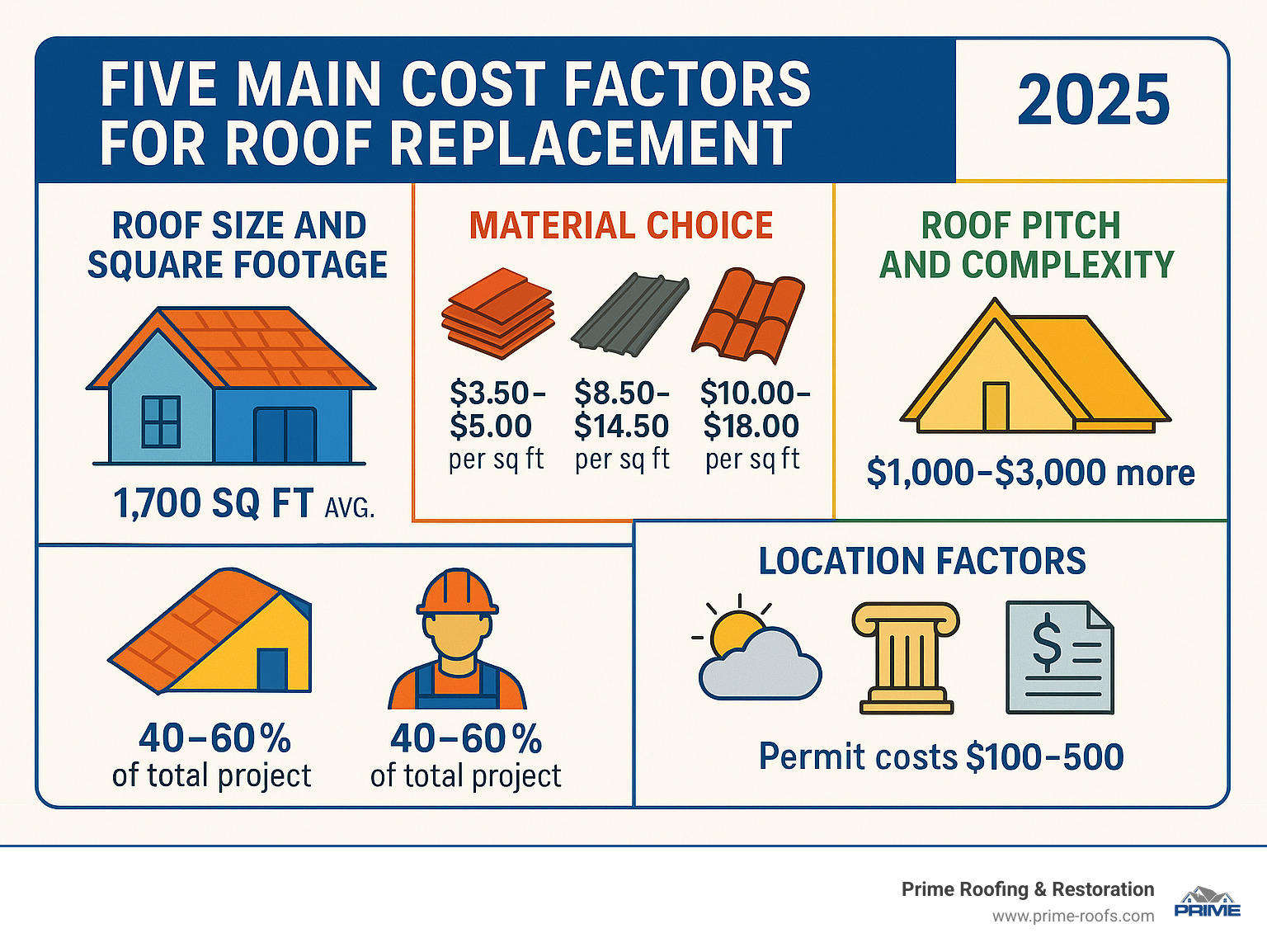
Key how much does a new roof cost vocabulary to get started:
- Roofing Square: A standard unit of measurement in the industry, equal to 100 square feet.
- Pitch: The slope or steepness of your roof, which impacts material quantity and labor difficulty.
- Decking: The wooden foundation of your roof (typically plywood or OSB) to which all other materials are attached.
- Underlayment: A water-resistant barrier installed directly on the decking for secondary protection.
- Flashing: Metal pieces used to direct water away from critical areas like chimneys, valleys, and vents.
- Roof inspection cost: The price for a professional assessment, often the first step in determining the need for replacement.
- Roof replacement Orange: An example of how costs can be analyzed for a specific local area.
The Bottom Line: What is the Average Cost to Replace a Roof?
When Alabama homeowners ask, “how much does a new roof cost,” they are looking for tangible, real-world numbers to anchor their budget. While the national average hovers around $9,519, it’s crucial to view this as a baseline rather than a definitive price tag. The vast majority of homeowners across the country will invest somewhere between $5,868 and $13,213 for a full roof replacement. Here in Alabama, the typical project scope and regional factors push this range higher, generally from $10,000 to $20,000. This increase is due to factors like stringent building codes in coastal and storm-prone areas, higher demand for durable materials that can withstand our climate, and local labor market rates.
To standardize estimates, roofing costs are frequently calculated at $4 to $11 per square foot. A fundamental term to understand in any roofing quote is the “square.” A roofing “square” is a unit of area equal to 100 square feet. For example, a 2,000-square-foot roof is equivalent to 20 squares. This measurement system allows contractors to accurately calculate material needs—from shingles and underlayment to nails—and provide consistent, transparent estimates.
These price ranges are intentionally broad because no two roofs are identical. The final investment is a custom figure determined by your home’s unique architecture, your choice of materials, the underlying condition of the roof structure, and the complexity of the installation. Are you ready to move beyond general averages? Get a precise estimate for your roof replacement custom specifically to your Alabama home.
The Labor vs. Materials Split: Where Your Money Goes
It often surprises homeowners to learn how the answer to how much does a new roof cost is divided. The total cost is not an even split between parts and people. In fact, skilled labor typically accounts for the largest portion of your total investment, claiming anywhere from 40% to 60% of the final bill, with materials and other components making up the remainder.
Why does labor command such a significant share? Professional roofing is a highly skilled and physically demanding trade. It involves working at dangerous heights, adhering to strict safety protocols mandated by bodies like OSHA, and applying years of hands-on expertise to ensure every component is installed correctly for maximum longevity. Professional roofers in our region typically earn between $40 and $90 per hour, a rate that reflects their specialized training, the physical risks of the job, and the cost of maintaining proper licensing and insurance.
Project complexity is a direct multiplier of labor costs. A simple, low-pitch gable roof on a single-story ranch-style home requires significantly fewer labor hours than a complex, steep-sloped roof on a multi-story home with dormers, valleys, and skylights. Factors like weather conditions, property accessibility for material delivery and debris removal, and the condition of the existing structure also influence the job’s duration and, consequently, its cost. While selecting quality materials is vital, it is the expert installation that ultimately determines whether your new roof will perform as intended and deliver a return on your investment for decades to come.
How Roof Size and Square Footage Affect the Total Cost
While it may seem straightforward, roof size is one of the most significant cost drivers. The average roof on an American home is approximately 1,700 square feet, but this is not the same as the home’s living space footage. The actual surface area of a roof is determined by its pitch and architectural complexity.
Roof pitch acts as a powerful multiplier. A steep roof has a much larger surface area than a flatter roof on a house with the exact same footprint. For instance, a 12:12 pitch roof (a 45-degree angle) has about 40% more surface area than a low-slope 3:12 pitch roof. Architectural features like dormers, gables, hips, and overhangs also add to the total square footage that needs to be covered with materials and worked on by the crew.
Here’s a general framework illustrating how roof size can translate to total project costs, assuming standard architectural asphalt shingles:
| Roof Size | Low-End Cost (Simple Roof) | High-End Cost (Complex Roof) |
|---|---|---|
| 1,000 sq ft | $4,000 | $11,000 |
| 1,500 sq ft | $6,000 | $16,500 |
| 2,000 sq ft | $8,000 | $22,000 |
| 2,500 sq ft | $10,000 | $27,500 |
| 3,000 sq ft | $12,000 | $33,000 |
These figures are designed to be a helpful guide. The low-end cost might represent a single-story home with a simple gable roof, while the high-end cost could reflect a multi-story home with a steep, complex roof requiring more labor and safety precautions. Your roof’s specific complexity, the material you select, and its current condition will ultimately refine these estimates into a precise quote.
How Much Does a New Roof Cost? A Detailed Breakdown of 7 Key Factors
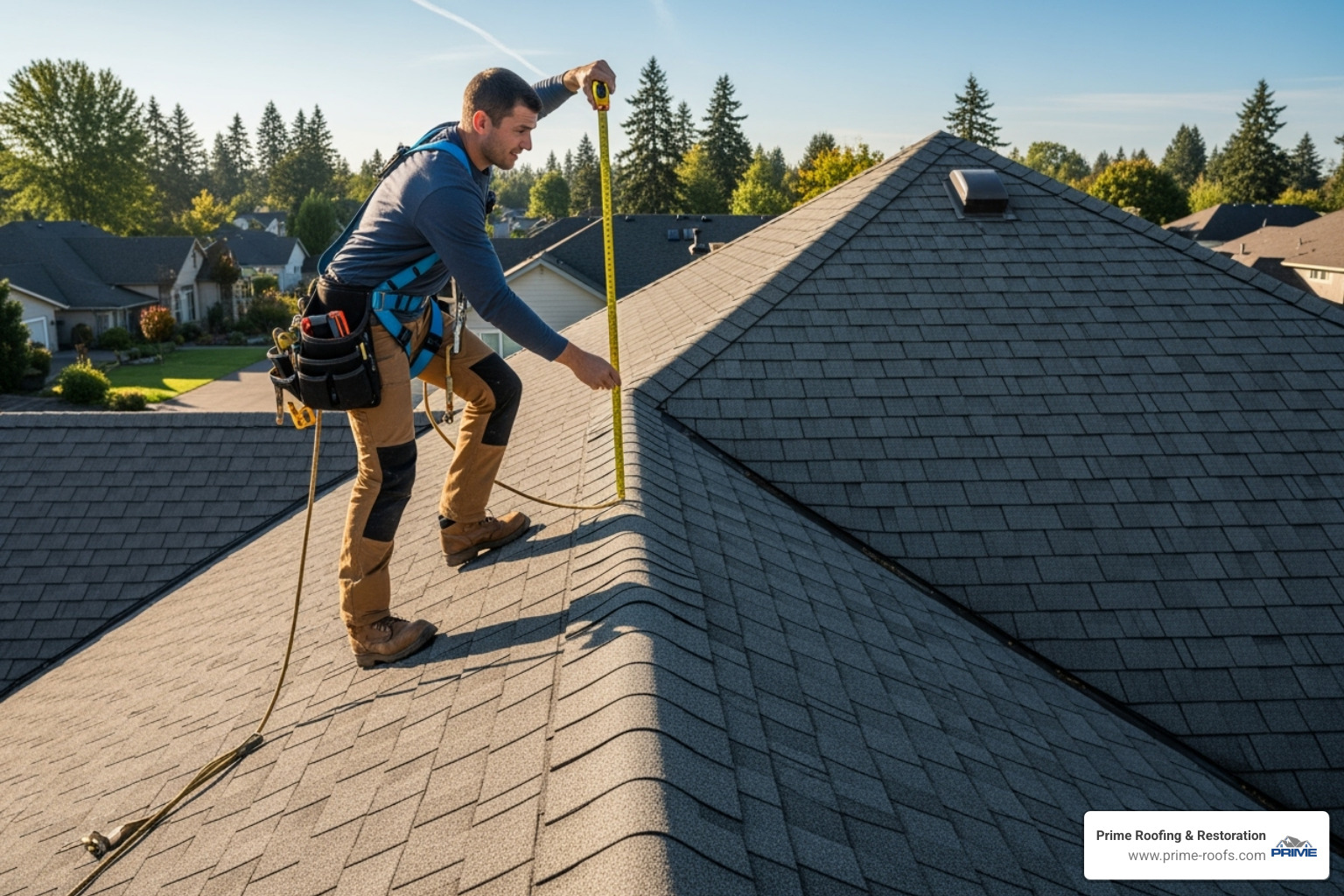
Understanding how much does a new roof cost is akin to commissioning a custom-built piece of machinery. The base price is merely the starting point; every decision, from the type of shingle to the style of ventilation, contributes to the final bill. A roof is a long-term investment in your home’s safety, energy performance, and resale value. When we at Prime Roofing & Restoration provide a detailed estimate, we carefully break down each element. This transparency ensures you know exactly what you’re paying for and, more importantly, why each component is critical for a quality, long-lasting roof system that can withstand the Alabama climate.
Factor 1: Roofing Materials (Cost vs. Lifespan)
Your choice of roofing material is the single most influential factor in your roof’s cost. This decision represents a fundamental trade-off between the upfront investment and the long-term value, durability, and maintenance requirements.
- Asphalt Shingles: The most popular and cost-effective choice in the U.S. They come in several varieties. Basic 3-tab shingles are the most affordable at $3.00-$5.00/sq ft but have a shorter lifespan of 15-20 years and are more susceptible to wind damage. Architectural (or dimensional) shingles are the modern standard, costing $4.00-$8.50/sq ft and offering a 20-30 year lifespan with a more robust, layered appearance. Luxury shingles mimic the look of slate or wood shake and offer the highest durability in this category.
- Metal Roofing: A fantastic choice for Alabama, offering an excellent balance of cost and extreme longevity. Options range from economical corrugated steel ($6.00-$24.50/sq ft) to high-end standing seam systems ($7.00-$16.00/sq ft). Metal roofs can last 30-60 years, are highly resistant to wind and fire, and offer significant energy savings by reflecting solar heat.
- Clay and Concrete Tiles: These materials provide a classic, Old World charm and exceptional durability. Concrete tiles are a heavy but resilient option, costing $6.30-$18.00/sq ft. Clay tiles, known for their distinctive terracotta look, are more expensive at $10.00-$27.50/sq ft. Both can last 50-100 years, but their immense weight often requires a structural engineering assessment and potential reinforcement of the roof deck, adding to the overall project cost.
- Slate Roofing: The pinnacle of roofing materials, representing the premium choice for longevity and beauty. Synthetic slate offers a similar look for $8.00-$15.00/sq ft. Natural slate, quarried from the earth, is the most expensive and durable option at $15.00-$35.00+/sq ft. With a lifespan of 60-150 years or more, a natural slate roof can easily outlast the house it protects, but it requires highly specialized installers.
- Wood Shakes and Shingles: Offering unparalleled natural beauty, wood roofs cost $6.00-$16.00/sq ft and can last 30-50 years with proper care. Shakes are split and have a rugged texture, while shingles are sawn for a smoother finish. However, they require more maintenance than other materials and may not be ideal in humid or fire-prone areas without special treatment.
Factor 2: Roof Pitch and Accessibility
The pitch (the technical term for a roof’s slope) dramatically affects the difficulty, safety requirements, and cost of installation. Pitch is expressed as a ratio of vertical rise over horizontal run (e.g., a 6:12 pitch rises 6 inches for every 12 inches of horizontal distance). Roofs with a pitch steeper than 6:12 are considered “non-walkable” and require specialized safety equipment like harnesses, roof jacks, and toe boards. This slows down the installation process and increases labor costs, which can add $1,000 to $3,000 or more to your project. Our teams adhere to strict OSHA regulations to ensure crew safety on these challenging roofs. Furthermore, multi-story homes increase complexity and may require scaffolding or mechanical lifts to move materials and workers, adding another layer to the cost. Understanding roofing pitch can help you visualize how your home’s design impacts the price.
Factor 3: Labor Costs in Your Area
As mentioned, labor typically represents 50% to 60% of your total project cost. In Alabama, skilled, insured, and licensed roofers earn between $40 and $90 per hour. This rate covers not just their wages but also the contractor’s overhead, including liability insurance, workers’ compensation, equipment, and training. Rates vary by geographic location and market demand. While it can be tempting to choose a contractor with a lower labor rate, an experienced, efficient crew often provides better long-term value by completing the job correctly the first time, preventing costly future repairs and honoring their workmanship warranty.
Factor 4: The Condition of Your Existing Roof
What lies beneath your current shingles is a major unknown that can impact the final cost. A standard replacement includes the cost of removing the old roof, known as the tear-off, which typically ranges from $1 to $5 per square foot. This cost includes the labor to strip the roof and the fees for disposing of the debris. Sometimes, removing the old roof reveals hidden problems. The most common issue is rotted or damaged roof decking (the wood sheeting). Replacing compromised decking is non-negotiable for a sound installation and costs an additional $2.20 to $3.00 per square foot. If your home has multiple layers of old shingles from previous “roof-overs,” the tear-off process becomes more labor-intensive and expensive. Addressing underlying water damage during a replacement is always far more cost-effective than dealing with a catastrophic failure later. Wondering if it’s time? Check out these 5 signs you need a roof replacement.
Factor 5: Permits, Inspections, and Warranties
These administrative and protective costs are crucial for safeguarding your investment. Building permits, which can range from $100 to $1,400 depending on your municipality, are a legal requirement that ensures your new roof meets local safety and building codes. A post-installation inspection, often costing around $240, is typically required by the city to close out the permit and verify the work was done correctly. Finally, warranties provide essential protection. You will receive a manufacturer’s warranty covering material defects and, just as importantly, a contractor’s workmanship warranty covering installation errors. A strong workmanship warranty is the sign of a confident, quality-focused contractor. Need help with the process? Understanding roofing permits can guide you through the local requirements.
Factor 6: Geographic Location and Climate
Living in Alabama means our roofs face a unique gauntlet of weather challenges that directly impact how much does a new roof cost. Local building codes, especially in coastal and central Alabama, often mandate specific installation techniques to withstand hurricane-force winds. This can include requiring more nails per shingle, specific types of underlayment, and impact-resistant materials. Our climate’s high heat and humidity also demand robust ventilation systems to prevent moisture buildup in the attic, which can destroy a roof from the inside out. These regional requirements rightly influence material choices and installation methods, adding to the cost but ensuring the roof is built to last in its environment. For more local insights, check out our information on roofing costs in Alabaster, AL.
Factor 7: Additional Components and Features
A roof is a complete system, not just a single surface. These essential components add to the cost but are absolutely vital for the roof’s performance and longevity:
- Underlayment: This secondary water barrier is your roof’s last line of defense. Modern synthetic underlayment ($1.50-$2.10/sq ft) is far superior to traditional felt paper.
- Flashing: Custom-fit metal pieces that seal joints around chimneys, skylights, and walls. Properly installed flashing is critical and costs around $9.00-$11.00/linear ft.
- Fascia and Soffit: The trim boards along your roof’s edge (fascia) and the underside of the overhang (soffit). Replacing them can cost $4.25-$8.62/linear ft for fascia and $2.80-$5.28/linear ft for soffit.
- Ventilation, Gutters, and Skylights: A balanced ventilation system is crucial for roof longevity and energy efficiency. Gutters manage water runoff to protect your foundation. A roof replacement is the perfect time to address these systems, as they are all interconnected.
Smart Strategies to Save on Your Roof Replacement
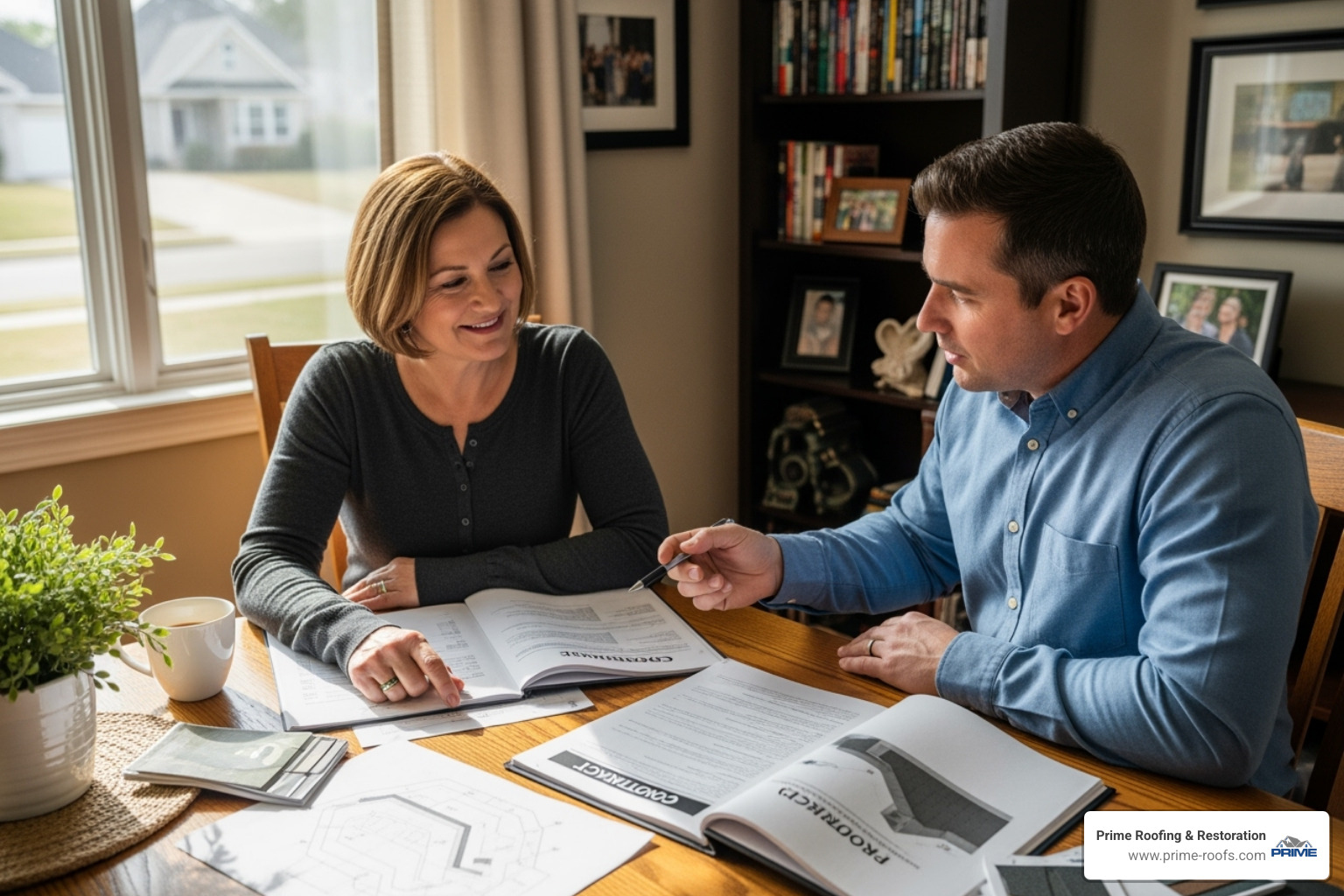
Effectively managing how much does a new roof cost does not mean you have to compromise on quality or longevity. By being a proactive and informed homeowner, you can implement smart strategies to secure a durable, high-performance roof that protects your family for decades without overextending your budget.
Repair or Replace? Making the Right Financial Decision
One of the first and most critical decisions is whether your roof needs a targeted repair or a full replacement. This choice has significant financial implications. For isolated damage—such as a few shingles lost to wind or a leak around a single vent pipe—on a roof that is otherwise in good condition and less than 10-15 years old, a professional repair is often the most cost-effective solution. However, if your roof is showing signs of widespread wear, has multiple existing leaks, is missing a significant number of shingles, or is approaching the end of its warrantied lifespan, replacement is almost always the smarter long-term investment.
As a general guideline, we often use the “50% rule”: if the cost of repairs is 50% or more of the cost of a full replacement, replacement offers far better value. A new roof provides a complete, integrated system with uniform materials, a comprehensive new warranty, and the opportunity to address any underlying issues with the decking or ventilation. This prevents the frustrating and costly cycle of chasing one repair after another on an aging roof. Not sure which path is right for your home? We can provide a detailed roof repair estimate to help you clearly compare your options and make a confident decision.
Financing, Insurance, and Grants
A new roof is a major expense, but there are several avenues to make it more financially manageable. Don’t assume you have to pay the entire cost out of pocket.
- Homeowner’s Insurance: If your roof was damaged by a covered peril, such as a hailstorm, hurricane, or fallen tree, your homeowner’s insurance policy may cover a significant portion of the replacement cost. The process involves filing a claim, meeting with an adjuster, and providing documentation. We have extensive experience working with insurance companies in Alabama and can help you steer the claims process to ensure you receive a fair assessment.
- Contractor Financing: Many reputable roofing contractors, including Prime Roofing & Restoration, offer financing options. These plans allow you to break down the total cost into predictable monthly payments, making the project much more accessible without draining your savings. This is a popular choice for homeowners who need a new roof immediately but prefer to pay for it over time.
- Personal Loans and Home Equity: A personal loan from a bank or credit union is another option for funding your project. Alternatively, a Home Equity Line of Credit (HELOC) may offer a lower interest rate, as it is secured by your home. It’s wise to compare the rates and terms of these options.
- Government Assistance Programs: Depending on your income, location, and the type of improvements, you may qualify for assistance. Check for programs like the USDA’s Single Family Housing Repair Loans & Grants, which helps low-income homeowners in rural areas, or programs through the Department of Housing and Urban Development (HUD).
How to Choose the Right Contractor for a Fair Price
Selecting the right contractor is the single most important decision you will make. A great contractor ensures quality and a fair price, while a poor one can lead to disastrous results and escalating costs. Here’s a checklist for vetting potential roofers:
- Get Multiple, Detailed Quotes: Always obtain at least three itemized estimates. A legitimate quote will break down the costs for materials, labor, tear-off, and any specific line items like decking replacement. Be extremely wary of bids that are significantly lower than the others; this is often a red flag for subpar materials, uninsured labor, or a contractor who will cut corners.
- Verify Licenses and Insurance: Your contractor must be licensed to work in Alabama. Crucially, they must carry both general liability insurance (to protect your property) and workers’ compensation insurance (to protect their crew). Ask for a certificate of insurance and verify it with the issuing agency.
- Read Reviews and Check References: Look at online reviews on Google, Yelp, and the Better Business Bureau. More importantly, ask for references from recent customers in your area and take the time to call them.
- Ask the Right Questions: Inquire about their crew’s experience, the project timeline, their cleanup process, and the specifics of their workmanship warranty. A true professional will answer all your questions patiently and thoroughly.
- Avoid High-Pressure Sales Tactics: A trustworthy contractor will provide a detailed proposal and give you adequate time to review it. Be cautious of anyone demanding an immediate decision or pushing you to sign a contract on the spot.
At Prime Roofing & Restoration, we build our business on transparency, trust, and superior quality work. For more guidance, review our tips for choosing a roofer.
Prime Roofing & Restoration
Address: 5 Brown Cir, Alabaster, AL 35007
Phone: (205) 661-8190
Frequently Asked Questions About New Roof Costs
We consult with Alabama homeowners every day, and we understand that navigating a major home improvement project brings up many questions. Answering the question how much does a new roof cost is just the beginning. Here are clear, detailed answers to the most common concerns we hear.
How long does a new roof last?
The lifespan of your new roof is primarily determined by the material you choose, the quality of the installation, and your local climate. With proper maintenance, here are the typical lifespans you can expect:
- Asphalt Shingles: Standard architectural shingles, the most common choice, last 20 to 30 years. The less expensive 3-tab shingles have a shorter lifespan of 15 to 20 years.
- Metal Roofs: Known for their exceptional durability, metal roofs can last 30 to 60 years, making them an excellent long-term investment for Alabama’s harsh weather.
- Tile Roofs (Clay/Concrete): These heavy and robust systems have a very long lifespan, typically 50 to 100 years.
- Slate Roofs: As a premium, natural material, slate is in a class of its own, lasting 60 to 150+ years.
Regular maintenance is key to achieving these lifespans. Simple tasks like keeping gutters clean, removing debris, and scheduling periodic professional inspections can prevent small issues from becoming major problems and significantly extend the life of your roof.
Does replacing a roof increase home value?
Absolutely. A new roof is one of the most valuable home improvement projects for increasing home value and recouping your investment. According to the respected 2024 Cost Vs. Value report, a new asphalt shingle roof replacement can recoup a significant portion of its cost at resale. Beyond the direct financial return, a new roof provides two major benefits for sellers. First, it dramatically boosts curb appeal, making a powerful first impression on potential buyers. Second, it provides peace of mind, as buyers know they won’t have to face a major, costly replacement project themselves anytime soon. This makes your home far more attractive and marketable. Furthermore, a new roof, especially when paired with modern ventilation, can lead to lower monthly energy bills, adding another layer to its value proposition.
When is the best time of year to replace a roof?
In Alabama’s climate, professional roofing contractors can install roofs year-round. However, if you have flexibility, the best time for potentially better pricing and easier scheduling is often during the late fall and early winter. Spring and summer are peak seasons for roofers, driven by storm season and favorable weather. During the slower off-season months, you may find that contractors have more availability and may offer more competitive pricing due to lower demand. That said, if your roof is actively leaking or has sustained significant damage, you should not wait. The cost of delaying and risking extensive water damage to your home’s interior and structure will always be far greater than any potential off-season savings. Addressing a critical roofing issue immediately is the most cost-effective decision.
What are the most common signs I need a new roof?
Beyond an obvious leak, your roof will give you several warning signs that it’s nearing the end of its life. Look for:
- Curling or Clawing Shingles: The edges of your shingles are turning up or down.
- Cracked Shingles: Shingles show visible cracks, often due to wind or age.
- Bald Spots / Granule Loss: You see dark patches on your roof where the protective granules have worn off. You may also find excessive amounts of these granules in your gutters.
- Sagging Roof Deck: A droop or depression in the roofline is a serious sign of a structural issue, likely rotted decking.
- Widespread Moss or Algae: While some staining is cosmetic, extensive growth can trap moisture against the shingles and accelerate deterioration.
- Age: If your asphalt shingle roof is over 20 years old, it’s wise to start budgeting for a replacement, even if there are no obvious problems.
How long does a typical roof replacement take?
For an average-sized single-family home (around 1,700-2,200 sq ft) with a standard-pitch roof, a professional crew can typically complete a full tear-off and replacement in 1 to 3 days. More complex projects involving very steep roofs, extensive decking repair, or difficult access can take longer, potentially up to a week or more. Your contractor should provide you with a clear project timeline before work begins.
Your Next Step to a Secure and Reliable Roof
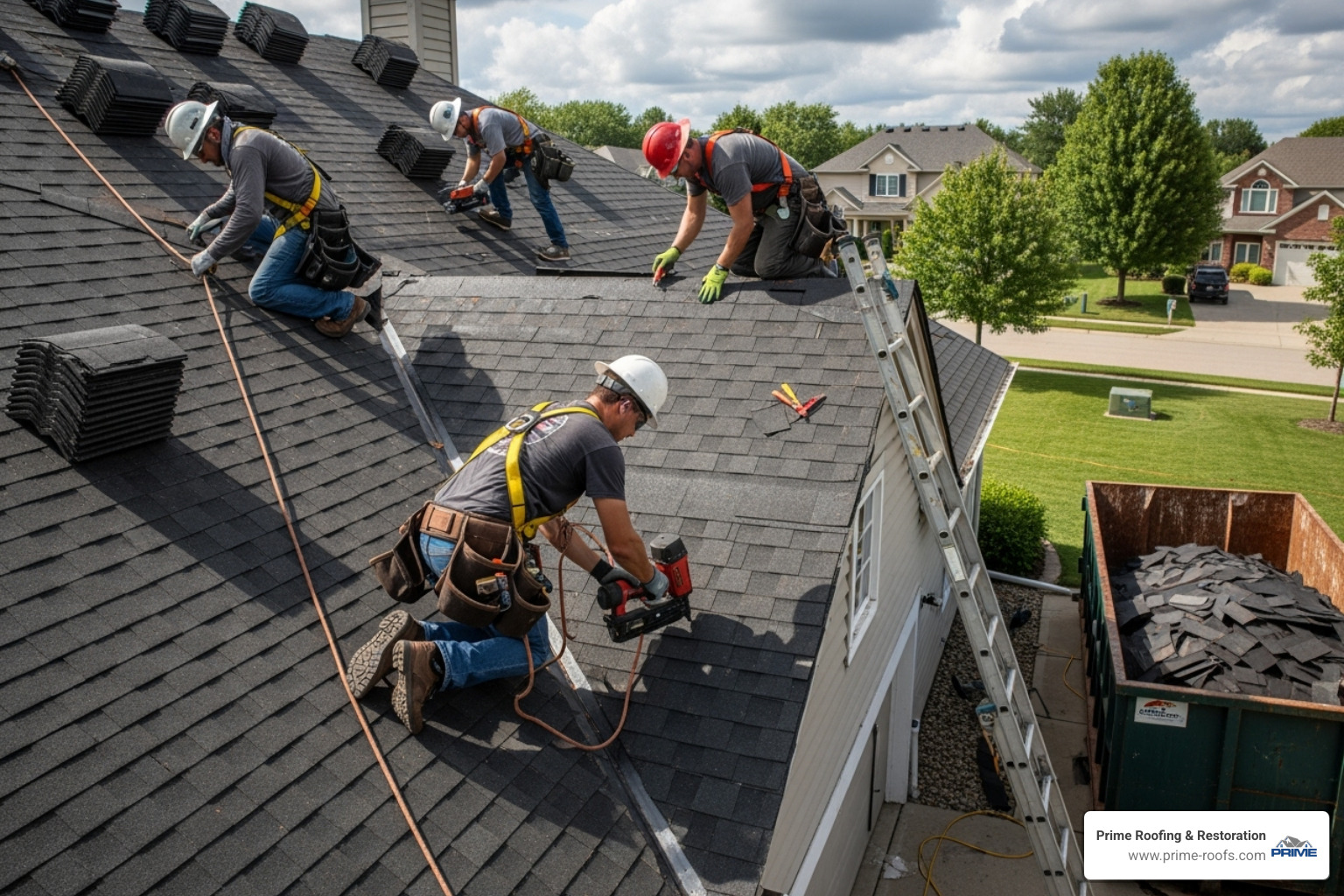
Now that you have a much clearer and more detailed picture of how much does a new roof cost, you are well-equipped to take the next confident step toward protecting your home. We’ve explored the national and local cost averages, broken down the critical factors from materials to labor, and outlined smart strategies for managing your budget. It’s clear that a new roof is a significant undertaking—an investment in your home’s safety, its energy efficiency, its curb appeal, and its long-term market value. Making the right choice in materials and, most importantly, in a professional installation partner is essential to realizing the full value of that investment.
This is precisely why we founded Prime Roofing & Restoration. We saw a need for a roofing company that prioritizes education and transparency above all else. We believe every Alabama homeowner deserves honest, straightforward answers, transparent pricing without hidden fees, and a level of craftsmanship that is built to last. Our licensed and insured experts are here to be your trusted advisors through every phase of the project. We will guide you in selecting the right materials to stand up to Alabama’s unique climate, help you steer the complexities of insurance claims, and ensure your project is completed to the highest standards of quality and safety.
We stand behind our work with comprehensive, industry-leading warranties because we are confident in the quality of our installation. We know that roofing emergencies don’t wait for business hours, which is why we are available 24/7 to address urgent issues. Your family’s security and peace of mind are paramount.
Are you ready to move forward with a team you can trust? For a comprehensive, no-obligation, and transparent estimate on your roofing project, contact our team of licensed experts today. We will provide a detailed quote with no surprises or high-pressure tactics—just honest, professional service from a local company that cares deeply about protecting your home.