
Residential Roof Repair: How to Choose the Right Pro and Avoid Costly Damage
Residential roof repair is the fastest and most cost-effective way to stop leaks, prevent structural damage, and extend the life of your existing roof system. Industry studies show that timely repairs can extend a shingle roof’s service life by 25–40% compared to “wait until it fails” replacement strategies. Homeowners who invest in proactive professional roof repair services typically spend 30–60% less over a 20‑year period than those who delay maintenance until major failures occur.
Residential roof repair is a critical service that protects your home from water damage, mold, and structural issues. When your roof develops a leak or shows signs of damage, hiring the wrong contractor can cost you thousands in botched repairs, hidden fees, or even void your warranty.
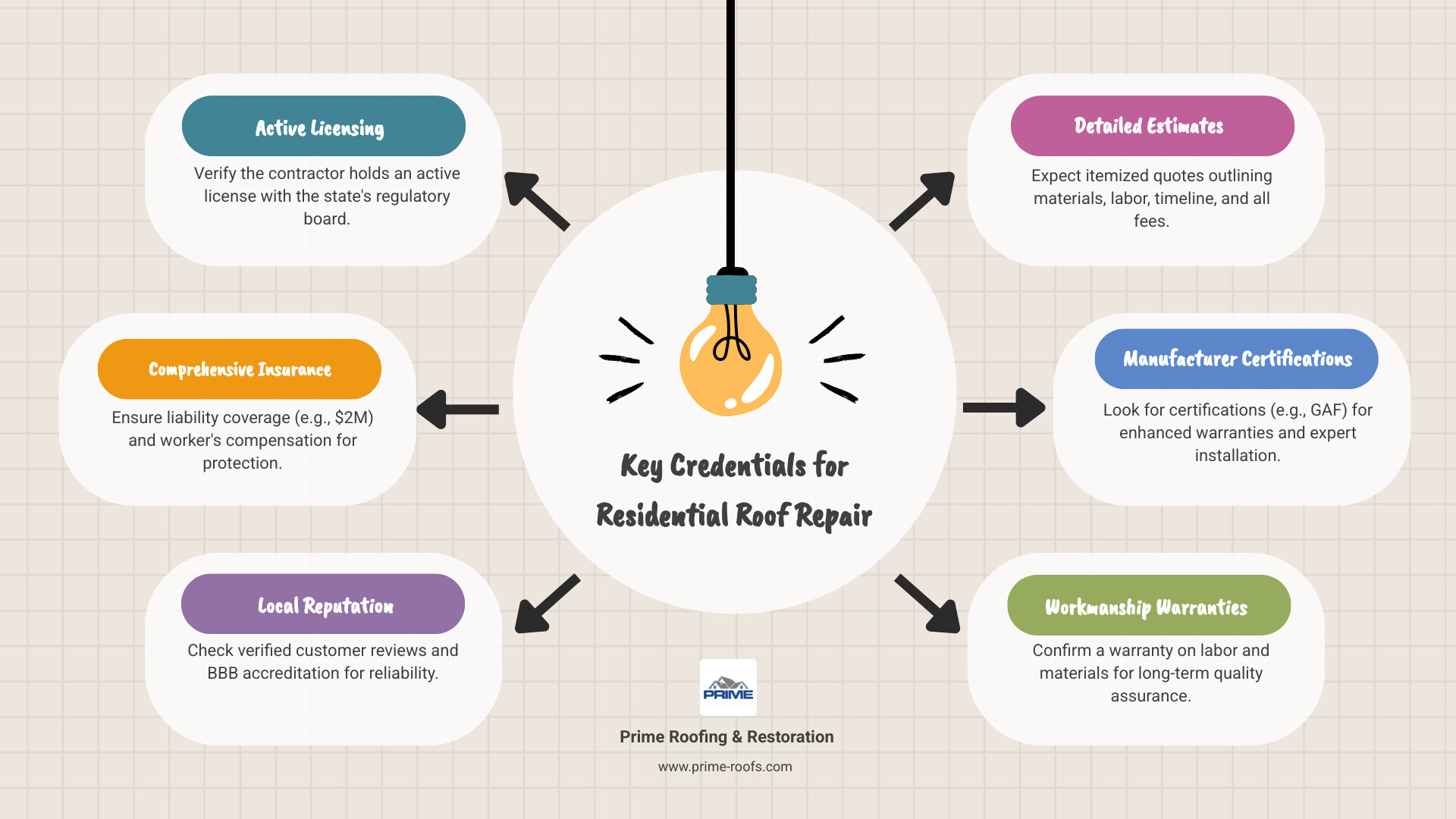
Here’s what to look for when hiring a residential roof repair professional:
- Valid license and insurance – Alabama contractors must hold an active license (check with the Alabama Home Builders Licensure Board)
- Local reputation and reviews – Look for contractors with verified customer feedback and BBB accreditation
- Detailed written estimates – Professional quotes should itemize materials, labor, and timeline (expect $350-$1,000 for minor repairs)
- Manufacturer certifications – GAF-certified contractors offer improved warranties and proven expertise
- Proof of worker’s compensation – Reputable companies carry at least $2 million in liability coverage
The stakes are high. According to industry data, small patches that go ignored can escalate into major repairs costing $1,000 to $5,000 or more. A roof leak can lead to mold, mildew, wood rot, and severe structural damage if not addressed promptly by a qualified professional.
I’m Bill Spencer, owner and president of Prime Roofing & Restoration, and I’ve spent over five years leading residential roof repair projects across Central Alabama. My team and I specialize in helping homeowners steer storm damage claims and execute lasting repairs on asphalt, metal, and flat roof systems.
Must-know residential roof repair terms:
First, Identify the Red Flags: 7 Signs You Need a Roof Repair
Before you can hire a pro, you need to confirm there’s a problem. Some signs of roof damage are obvious, while others are subtle. Catching issues early can prevent a small repair from turning into a full roof replacement. A roof leak that is ignored can lead to mold, mildew, wood rot, and severe structural damage.
The home is our sanctuary, offering security and protection from the elements. The roof, in particular, plays a vital role in preventing rain and meltwater from entering the house, redirecting water away from the foundation. However, even the most robust roofs can develop leaks, leading to significant problems if not addressed promptly. Recognizing the early signs of damage is crucial for effective residential roof repair.
Interior Signs
Indoor indicators are often the first clues that your roof might be struggling. These signs appear when water has already breached the roof’s defenses and begun to affect your home’s interior.
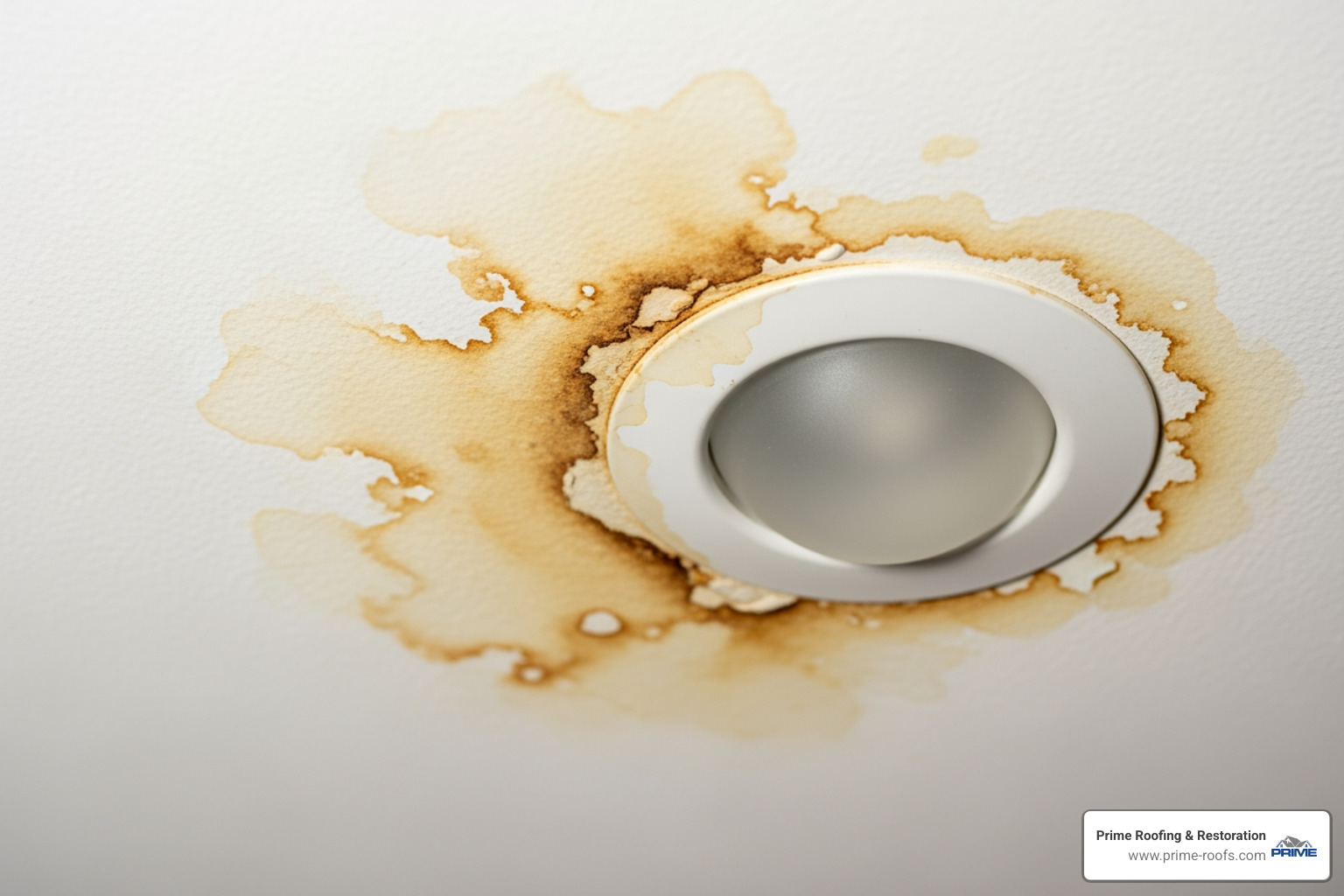
- Ceiling Stains: Perhaps the most common and alarming sign, water stains on ceilings often appear as yellow, brown, or discolored spots. These usually signify a leak directly above the stained area, though water can travel along joists before dripping.
- Wall Stains: Similar to ceiling stains, discoloration or streaks on interior walls can indicate water ingress, especially if the leak is near the roofline or around windows.
- Peeling Paint: If paint on your interior walls or ceilings starts to peel, blister, or bubble, it’s a strong indication of moisture accumulation. This moisture could be seeping through from a roof leak.
- Sagging Ceiling: A sagging ceiling is a serious red flag. This indicates that water has accumulated, potentially causing structural damage to the roof decking and ceiling materials. This issue requires immediate professional attention.
- Attic Moisture: Head up into your attic with a flashlight. Look for any signs of moisture, wetness, active leaks, or staining on the attic ceiling or walls. A musty smell or visible mold in the attic also points to excessive humidity or a leak. Sunlight visible through the attic ceiling is another clear sign of a breach.
Exterior Signs
A visual inspection of your roof from the ground (or safely from a ladder, if comfortable) can reveal external damage that indicates a need for residential roof repair.
- Damaged Shingles: Look for shingles that are cracked, curled, blistered, or split. These are common signs of wear and tear or weather damage. Over time, UV rays and temperature fluctuations cause roofing materials to expand and contract, leading to such damage.
- Missing Shingles: High winds can lift and tear off shingles, leaving exposed areas vulnerable to water intrusion. If you find loose shingles around your yard, it’s a clear sign your roof needs attention.
- Clogged Gutters: Gutters play a critical role in directing water away from your roof and foundation. If they are clogged with debris, water can back up, pool on the roof, and eventually seep under shingles or flashing, causing leaks. Regular gutter cleaning is a vital part of roof maintenance.
- Damaged Flashing: Flashing, typically made of metal, seals vulnerable areas around chimneys, skylights, vents, and roof valleys. If flashing is bent, rusted, missing, or has deteriorated sealant, it can create an easy pathway for water. Repair kickout flashing roof is a common repair.
- Granule Loss: Asphalt shingles have granules that protect them from UV rays and weathering. If you notice a significant amount of granules collecting in your gutters or bare spots on your shingles, it means the shingles are losing their protective layer and becoming more susceptible to damage.
- Visible Roof Damage: Obvious signs like holes, debris embedded in the roof, or damaged pipe jacks (which seal around plumbing pipes) are clear indicators. Deteriorating rubber gaskets or loose nails on pipe jacks are common culprits for leaks.
How to Spot Roof Hail Damage
Is It a Repair or a Full Replacement?
Deciding between a repair and a replacement is a major financial decision. A professional inspection is the only way to know for sure, but some general rules apply. Localized damage often points to repair, while widespread issues or an aging roof typically signal the need for a replacement.
We understand that facing roof issues can be daunting, and the question of repair versus replacement often comes with significant financial implications. While a professional roofer can provide a definitive assessment, here’s a general guide to help you understand the distinction:
| Feature | Roof Repair | Roof Replacement |
|---|---|---|
| Age of Roof | Generally under 15-20 years old | Typically 20+ years old, or nearing end of lifespan |
| Extent of Damage | Localized to a specific area (e.g., a few missing shingles, damaged flashing) | Widespread damage across multiple sections, significant structural issues |
| Cost | Lower initial cost, often $350 – $5,000 depending on scope | Significant investment, typically $10,000+ for a full roof |
| Timeframe | Minor repairs: 1-8 hours; Larger repairs: 1-3 days | 1-3 days for installation; larger/complex jobs may take longer |
- Localized Damage: If your roof has only a few missing shingles, a small leak from a damaged vent, or isolated flashing issues, a targeted residential roof repair is likely the preferred and most cost-effective option. For example, if a tree branch falls and damages a small section, repairing just that area makes sense. Can You Repair Just a Section of a Roof?
- Widespread Damage: When damage is extensive, affecting large portions of the roof, or if there’s significant structural compromise (like widespread sagging), a full roof replacement becomes necessary. This is especially true after severe storms where hail or wind damage is pervasive.
- Roof Age: Most asphalt shingles last between 20 and 30 years. If your roof is approaching or has exceeded this age, even minor issues can signal a systemic breakdown, making replacement a more prudent long-term investment.
- Budget: While repairs are cheaper upfront, frequent repairs on an old roof can quickly add up, eventually surpassing the cost of a new roof. Consider your long-term budget and the roof’s remaining lifespan.
A detailed inspection by a qualified professional is the only way to accurately determine whether a residential roof repair or a full replacement is needed. They can assess the overall condition, identify underlying issues, and provide an informed recommendation.
5 Signs You Need Roof Replacement
Vetting a Pro for Your Residential Roof Repair
Choosing the right contractor is the most critical step. A qualified roofer not only fixes the immediate problem but also guarantees their work, protecting you from future issues. In Alabama, where storms can be frequent, a proven local expert is invaluable.
When your home’s most vital protective layer is compromised, you need a professional you can trust. The process of vetting a residential roof repair contractor can feel overwhelming, but asking the right questions and looking for specific credentials can save you significant time, money, and stress.

Here’s a list of crucial questions to ask a potential roofing contractor:
- Licensing: “Are you a licensed contractor in Alabama?” Always verify their license with the state board.
- Insurance: “Can you provide proof of liability insurance and worker’s compensation?” A reputable company will have at least $2 million in liability coverage.
- Local Reputation: “Can you provide local references or show examples of recent work in Alabaster or Orange Beach?” Look for contractors with strong community ties and positive reviews.
- Certifications: “Are you certified by major roofing manufacturers like GAF?” These certifications indicate specialized training and allow access to improved warranties.
- Warranties: “What warranties do you offer on labor and materials?” Understand the terms and duration of both.
- Detailed Estimates: “Will you provide a detailed, written estimate outlining all costs?” Avoid vague quotes.
- Project Timeline: “What is the estimated timeline for completing the repair?”
- Subcontractors: “Do you use subcontractors, and if so, are they also licensed and insured?”
- Safety Plan: “What safety measures do you implement on the job site?”
- Payment Schedule: “What is your payment schedule, and what are the terms?”
For homeowners in Alabaster, AL, finding a local expert is key. A local roofer understands the specific weather challenges of the region, from heavy rains to potential storm damage, and is familiar with local building codes.
Choosing a Roofer
Roofing Contractor Alabaster AL
The Non-Negotiables: Licensing, Insurance, and Certifications
Never hire a contractor who cannot provide proof of proper licensing and insurance. A reputable roofer will be insured for up to $2 million in liability, protecting you and your property from accidents. Certifications, like those from GAF, indicate a contractor has been trained to install materials to the highest industry standards.
These three elements are the bedrock of a trustworthy residential roof repair professional. Skipping due diligence here can expose you to significant risks.
- GAF Certification: As North America’s largest roofing manufacturer, GAF is an industry leader. GAF-certified contractors have undergone specialized training in utilizing and installing premium GAF roofing materials according to the manufacturer’s strict standards. This certification ensures quality workmanship and allows access to the best GAF warranties available, offering peace of mind for your investment. GAF Master Elite contractors represent less than 2% of all roofing contractors nationwide, demonstrating exceptional commitment to ongoing professional training and customer satisfaction.
Find a GAF-Certified Contractor* near you. - Liability Insurance: This protects you in case of damage to your property or a neighbor’s property during the repair process. A contractor should carry substantial liability coverage, typically up to $2 million, to operate safely and responsibly. Without it, you could be held responsible for any accidents.
- Worker’s Compensation: This insurance covers medical expenses and lost wages for any workers injured on your property. If a contractor doesn’t have worker’s comp, you could be liable for injuries sustained by their employees. It’s mandatory for roofing contractors in Alabama to have current and updated certification from the Workplace Safety and Insurance Board.
Always ask for physical proof of these documents and verify their validity. A licensed, insured, and certified contractor is a professional who takes their work seriously and prioritizes your protection.
Licensed Roof Contractor
What to Expect from a Residential Roof Repair Quote
A professional quote is more than just a number. It should be a detailed document outlining the scope of work, materials to be used, labor costs, and any applicable fees. Be wary of vague estimates or contractors who pressure you to sign on the spot. Minor repairs for a few damaged shingles typically cost between $350 and $1,000.
When you receive an estimate for residential roof repair, it should be transparent, comprehensive, and easy to understand. A reputable contractor will take the time to explain each component of the quote.
- Detailed Estimate: The quote should clearly define the scope of work. This includes specifying the exact areas to be repaired, the type of damage being addressed, and the methods to be used. For a standard roof repair, this might include the removal and replacement of damaged shingles, underlayment, vents, or flanges, and potentially cutting away damaged roof deck if required.
- Material Costs: This section should list the specific materials that will be used, including the type of shingles (asphalt, metal, etc.), underlayment, flashing, sealants, and any other components. For example, if it’s an asphalt shingle repair, it should specify the brand and type of shingles.
- Labor Costs: This covers the hourly rates or fixed fees for the crew performing the work. Roof repairs are typically calculated by the square foot, as well as by the materials used and the labor involved.
- Project Timeline: The estimate should provide an expected start and completion date for the repair. This helps you plan accordingly and sets clear expectations.
- Payment Terms: Understand the payment schedule (e.g., deposit required, payment upon completion) and accepted payment methods. Be cautious of contractors who demand full payment upfront.
For small patches and minor repairs covering up to 100 square feet (about the area of an apartment bedroom) of shingles, you can typically expect to pay between $350 – $1000, including labor and materials. Larger repairs, such as fascia repair, roof truss repair, or eaves repair, can cost between $1000 – $5000, including labor and materials. A professional contractor will always discuss all costs and fees thoroughly before any work begins. While an estimate for a roof repair is usually free, a fee might be charged for a comprehensive roof inspection, especially if required for insurance purposes.
Roof Repair Estimate
Understanding the Roof Repair Process and Costs
Once you’ve chosen a pro, they will schedule the work. For minor repairs under 20 square feet, the job can often be completed in just a few hours. Larger repairs involving structural elements like trusses or fascia can take longer and cost between $1,000 and $5,000.
Engaging a professional for residential roof repair means you’re investing in expertise and efficiency. Here’s what you can generally expect when a qualified team like ours handles your roof repair:
- Repair Timeline: For minor repair work, such as patching an area under 20 square feet, you can typically expect your roof to be fixed within 1 to 8 hours from project start to completion. A larger or more complex repair job, especially those involving structural components, may take longer. Once you approve the project and a time slot is scheduled, the contractors will provide a clear estimate of how much time they will need. They will also communicate any unexpected delays due to weather, unforeseen structural issues, or other factors.
- Cost Factors: The overall cost of your residential roof repair will depend on several key factors:
- Material Type: The type of roofing material (asphalt, metal, wood) significantly impacts costs. Asphalt shingles are generally less expensive than metal or specialty materials.
- Labor Rates: These vary based on the complexity of the job, the number of workers required, and regional rates.
- Repair Complexity: Simple shingle replacements are less costly than repairing damaged flashing, structural issues like fascia or roof truss repair, or addressing extensive water damage to the roof deck.
- Storm Damage: Repairs resulting from storm damage (wind, hail, heavy rain) might involve more extensive work and potentially require insurance claims assistance.
- Accessibility: Difficult-to-access roofs or those with steep pitches can increase labor costs due to added safety measures and specialized equipment.
- Understanding the Repair: While a professional will handle the work, it’s good to understand the typical steps for common repairs:
- Cracked Shingles: These can often be sealed with roofing cement, with matching granules sprinkled on top for aesthetics.
- Curled Shingles: If pliable, curled shingles can sometimes be flattened and sealed underneath. If brittle, they’ll need replacement.
- Missing Shingles: New shingles are carefully installed, secured with roofing nails, and sealed to ensure a watertight bond.
- Damaged Flashing: Old, compromised flashing is removed, and new flashing is installed with proper underlayment (like ice and water shield) and sealed to prevent leaks.
- Pipe Jacks/Vents: Damaged pipe boots or roof vents are replaced, ensuring a secure, watertight seal around penetrations.
Asphalt Shingle Repair Complete Guide
Weather’s Impact on Roof Integrity and Leaks
Weather plays a significant role in roof damage, especially in regions prone to severe storms like Alabama.
- Storms (Wind and Hail): High winds can lift, tear, or completely remove shingles, creating direct entry points for water. Hail, common in our area, can crack shingles, dislodge granules, and even dent metal roofs, compromising their protective layers.
- Ice Dams: While less common in our warmer climate, ice dams can occur during prolonged freezing temperatures. They form when meltwater from the roof refreezes at the eaves, creating a barrier that prevents proper drainage. This backed-up water can then seep under shingles and cause leaks.
- Heavy Rain: Prolonged heavy rainfall can exploit any weakness in the roof’s system, from damaged flashing to clogged gutters, leading to leaks.
- Attic Ventilation and Moisture: Proper attic ventilation is crucial for roof health. Inadequate ventilation can lead to heat and moisture buildup in the attic. In summer, excessive heat can prematurely age shingles. In winter, trapped moisture can condense, leading to mold, mildew, and wood rot in the attic and on the roof decking, exacerbating roof damage and increasing the likelihood of leaks. A well-ventilated attic helps regulate temperature and humidity, extending your roof’s lifespan and preventing moisture-related issues.
After any significant weather event, especially in Alabaster or Orange Beach, a roof inspection is highly recommended to assess for potential damage.
What to Do After a Storm Damages Your Roof
Frequently Asked Questions about Residential Roof Repair
We hear a lot of questions from homeowners about residential roof repair, and we’re always happy to provide clear, straightforward answers.
How long does a minor roof patch take to complete?
For minor repair work, such as patching an area under 20 square feet, you can expect the job to be completed within 1 to 8 hours. The contractor will provide a more precise timeline after their initial inspection. This timeframe accounts for setting up, performing the repair (e.g., replacing a few missing shingles, sealing a small leak), and cleaning up the site. Larger or more complex repairs, such as those involving structural elements like fascia or roof trusses, or extensive water damage, could take 1-3 days or even longer, depending on the scope.
Does my homeowner’s insurance cover roof repairs?
Many homeowner’s insurance policies cover roof damage caused by specific events like storms, hail, or wind. However, damage from lack of maintenance or normal wear and tear is typically not covered. It’s essential to get a roof inspection for insurance to document the damage and consult with your agent. Insurance usually covers the cost of damage based on when the leak occurred, not when it’s reported, so prompt action is crucial. Be aware that flood-related damage is often separate and requires specific flood coverage. We can help you steer the insurance claims process to ensure you get the coverage you deserve.
Can I perform a roof repair myself?
While some minor tasks like sealing a single cracked shingle can be a DIY project, working on a roof is inherently dangerous. For most issues, hiring a professional is safer and ensures the repair is done correctly, often with a warranty. Incorrectly performed repairs can lead to bigger, more expensive problems, and attempting repairs without proper safety gear and training can result in serious injury. Professionals have the right tools, protective gear, and expertise to work at heights safely and effectively. We always recommend leaving roof repairs to the experts, especially if it involves anything beyond the simplest, ground-level assessment.
Your Partner in Protecting Your Home
Choosing the right contractor for your residential roof repair is a decision that impacts your home’s safety and value. By looking for licensed, insured, and certified local professionals, you can avoid scams and ensure a high-quality, lasting repair. A trustworthy roofer will provide a detailed estimate, use quality materials, and stand behind their work. For homeowners in Alabaster and the surrounding Alabama communities, Prime Roofing & Restoration offers end-to-end roof repair services, from initial inspection and insurance claims assistance to expert repairs backed by a commitment to customer satisfaction. Don’t leave your home’s protection to chance; contact us today at 205-579-8385 for a free roof inspection.