
Why Asphalt Shingle Repair Matters for Alabama Homeowners
Asphalt shingle repair is a critical skill for homeowners to understand, as these shingles are the most commonly used covering on residential homes across America. When damage strikes your roof – whether from Alabama’s frequent storms, intense summer heat, or simple wear and tear – knowing how to respond quickly can save you thousands. For homeowners in Alabama, having a reliable partner for professional roofing services is key to protecting your investment and ensuring your family’s safety.
Quick Guide to Asphalt Shingle Repair:
- Missing Shingles: Lift surrounding shingles, remove old nails, slide in new shingle, nail securely, and reseal
- Curled Shingles: Apply roofing sealant underneath, press down, weigh with brick for 24 hours
- Cracked Shingles: Seal under and over crack, spread evenly, sprinkle granules on top to match
- Best Conditions: Work on warm, dry days when shingles are pliable
- Call Professionals When: Roof is over 20 years old, extensive damage, or interior water stains appear
Minor shingle issues might seem insignificant, but they can quickly escalate into major problems. A single missing shingle can allow water to penetrate your home’s structure, leading to mold growth, insulation damage, and expensive repairs. Regular roof inspections – at least twice a year – help catch these issues early when they’re still manageable.
For Central Alabama homeowners dealing with storm damage or general wear, understanding when you can handle repairs yourself versus when to call for professional roof repair is essential for protecting your investment.
I’m Bill Spencer, Owner and President of Prime Roofing & Restoration, with over five years of hands-on experience helping Alabama homeowners steer asphalt shingle repair challenges. My team and I have seen how proper maintenance and timely repairs can extend roof life significantly, saving homeowners from premature replacement costs.
Basic Asphalt shingle repair terms:
Identifying Shingle Damage & Gathering Your Gear
Before starting any repair, a thorough inspection is key. Knowing what to look for and having the right equipment on hand will make the job safer and more efficient. Asphalt shingles typically last between 15 and 30 years, but factors like harsh weather, poor installation, and inadequate maintenance can significantly shorten this lifespan, causing premature damage. Think of it like taking care of your car – regular check-ups prevent bigger problems down the road!
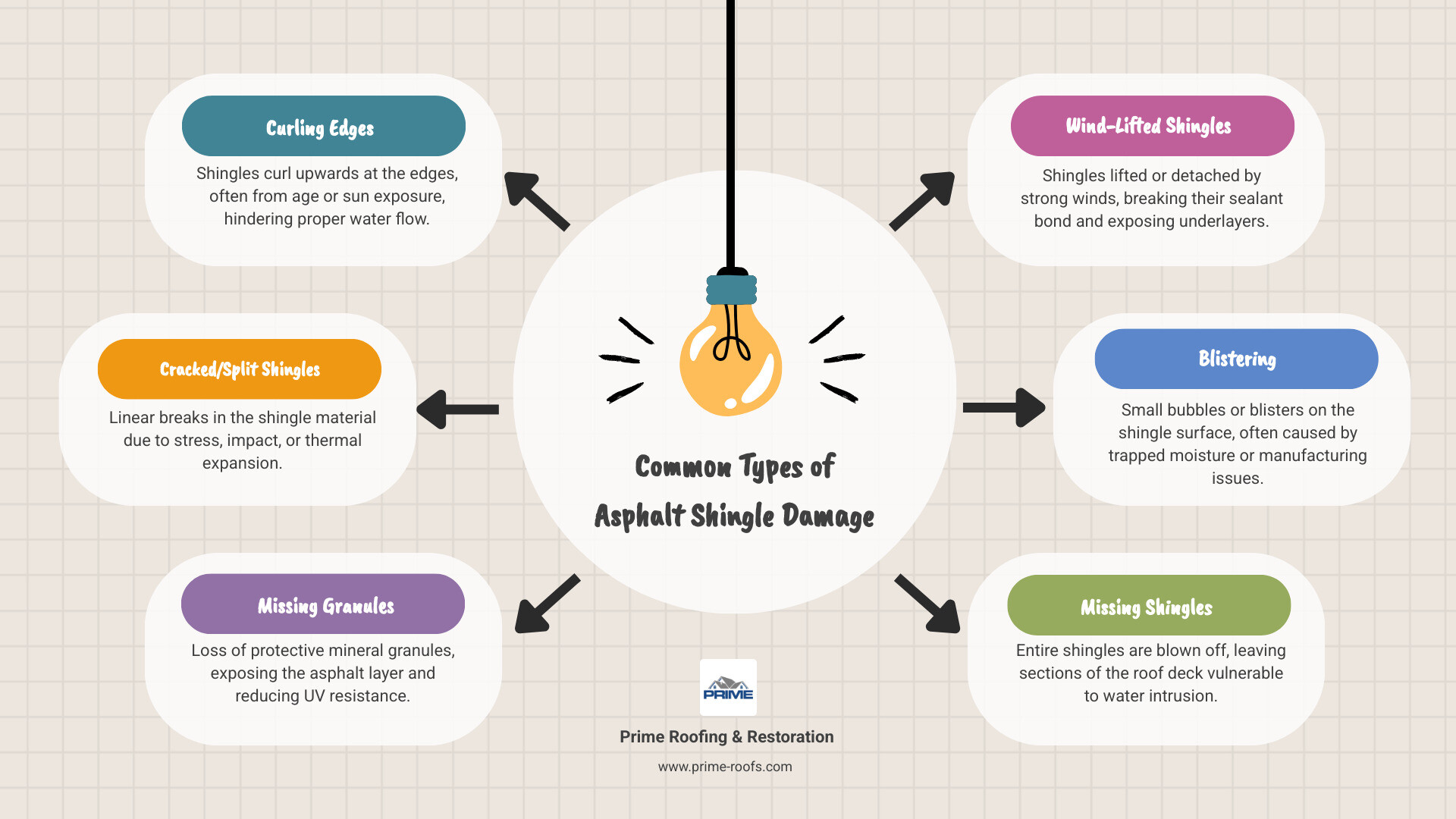
Common Types of Asphalt Shingle Damage
Our roofs bravely face the elements day in and day out, and over time, this takes a toll. Here are the most common types of damage we encounter with asphalt shingles:
- Missing Shingles: This is often the easiest to spot, especially after a strong windstorm. A missing shingle leaves the underlying roof deck exposed, creating a direct pathway for water to enter your home. It’s like a missing tooth in your roof’s smile, but with much more serious consequences!
- Cracked or Split Shingles: Extreme temperature fluctuations, aging, or impact from debris can cause shingles to crack or split. These fissures, even if small, compromise the shingle’s watertight seal, allowing moisture to seep through.
- Curling or Buckling Edges: Shingles can curl upwards (cupping) or downwards (clawing), or even buckle in the middle. This is often a sign of aging, improper ventilation in the attic, or moisture absorption. Curled shingles lose their ability to shed water effectively, making your roof vulnerable.
- Blistering: Small, raised bumps or blisters on the shingle surface indicate trapped moisture or excessive heat during manufacturing or installation. While not always immediately problematic, blistering can lead to premature granule loss and shingle deterioration.
- Granule Loss (Bald Spots): The granular surface of asphalt shingles protects them from UV rays and weathering. As shingles age, or after hail damage, these granules can wear off, exposing the asphalt layer underneath. You might notice these granules accumulating in your gutters. Bald spots mean your shingles are losing their sunblock, making them vulnerable to rapid deterioration.
- Wind or Hail Damage: High winds can lift, tear, or even blow off shingles. Hail can cause circular impact marks that bruise the shingle, dislodge granules, and weaken the shingle’s integrity, leading to premature failure.
Essential Tools and Materials for Asphalt Shingle Repair
Before you climb up there, make sure you have everything you need. A quick trip to the hardware store for a couple of items can save you multiple trips (and a lot of frustration!). Here’s our recommended toolkit for basic asphalt shingle repair:
- Safety Gear: This is non-negotiable! Always wear sturdy, non-slip shoes for good traction. Gloves will protect your hands, and safety glasses are a must to shield your eyes from debris or flying granules. If your roof is steep or high, consider a safety harness. We can’t stress enough how important safety is when working on your roof.
- Sturdy Ladder: Ensure your ladder is placed on a flat, stable surface and extends at least three feet above the roof edge for easy and safe access.
- Hammer: For driving in new nails. A roofing hammer with a hatchet-like blade can also be useful for prying.
- Flat Pry Bar (or Shingle Ripper): Essential for gently lifting shingles and removing old nails without damaging adjacent shingles. This tool is your best friend when trying to get under those stubborn old nails!
- Utility Knife: For cutting new shingles to size or trimming away damaged portions. Make sure to have extra blades on hand; shingles can dull them quickly.
- Caulking Gun: For applying roofing cement or sealant smoothly and precisely.
- Replacement Shingles: Crucially, these should match your existing shingles in color, size, and style as closely as possible. It might take a bit of searching, but a good match makes the repair almost invisible. If you don’t have spares from the original installation, you might need to take an undamaged shingle to a roofing supplier to find a match.
- 1 ¼-inch Galvanized Roofing Nails: Galvanized nails are coated to resist rust, which is vital for outdoor use. The 1 ¼-inch length is typically sufficient for securing shingles.
- Roofing Cement or Sealant: This asphalt-based product comes in a tube for a caulking gun or a larger container for trowel application. It’s used to bond shingles, seal cracks, and provide a watertight barrier.
The DIY Guide to Asphalt Shingle Repair
Alright, you’ve identified the problem and gathered your gear. Now, let’s talk timing. Weather plays a huge role in the success of your repair. Always work on a warm, dry day when shingles are pliable and less likely to crack. Attempting repairs in cold temperatures can cause shingles to become brittle and break, turning a small fix into a larger headache. Imagine trying to bend a frozen potato chip – it just won’t work! Sealants also require dry conditions and adequate warmth to cure properly and create a watertight bond. Aim for at least 24 hours of dry conditions after your repair to allow everything to set.
Step-by-Step: How to Replace a Damaged Shingle
Replacing a single damaged or missing shingle is one of the most common and manageable DIY asphalt shingle repair tasks. Here’s how we tackle it:
- Break the Seal: Gently lift the edges of the shingles directly above and to the sides of the damaged shingle. Asphalt shingles are sealed together with an adhesive strip. Use your flat pry bar to carefully break this seal. Doing this on a warm day makes the adhesive more pliable and less likely to tear the shingle. Be patient and gentle – we’re coaxing them, not attacking them!
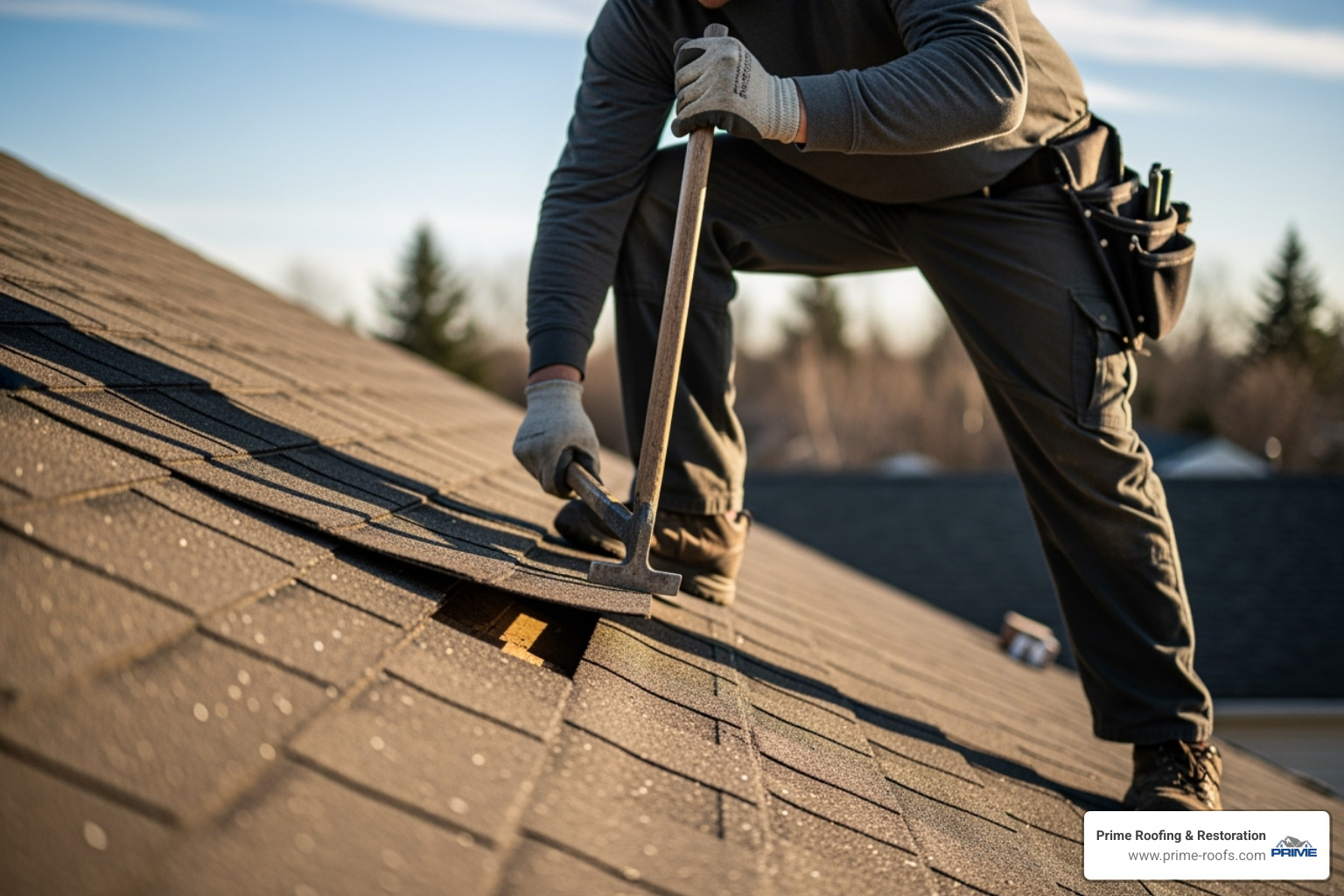
- Remove the Nails: Once the overlying shingles are lifted, you’ll see the nails securing the damaged shingle. Use your pry bar to get under the nail heads and carefully pry them up. If the nails are deeply set, you might need to go into your attic and gently tap them up from below to get a better grip from the outside. Make sure all nails are removed from the damaged shingle and any overlying shingles that you lifted.
- Slide Out the Old Shingle: With the nails removed and the seals broken, you can now slide the damaged shingle out. If it’s torn, you might need to remove it in pieces. Be careful not to damage the underlayment (the protective layer beneath the shingles). If you do accidentally tear the underlayment, don’t panic! You can repair small tears with roofing cement.
- Slide in the New Shingle: Take your new, matching shingle and carefully slide it into the empty space. Make sure it aligns properly with the surrounding shingles and that its bottom edge is even with the course below it.
- Nail the New Shingle: Secure the new shingle with 1 ¼-inch galvanized roofing nails. Place the nails just above the shingle’s adhesive strip, making sure they penetrate through the shingle and into the roof decking. The nails should be covered by the overlapping shingle above it. We want them snug, not hammered through the shingle!
- Reseal the Tabs: Once the new shingle is nailed, gently lower the overlying shingles back into place. Apply a few small dabs of roofing cement or sealant under the tabs of the new shingle and the tabs of any adjacent shingles you lifted. Press them down firmly to re-establish the seal. This helps them bond and resist future wind uplift.
- Final Check: Give the area a quick once-over. Ensure everything looks flush, sealed, and secure. We want this repair to hold up against Alabama’s next big storm!
For more detailed guidance on replacing shingles, you can check out this comprehensive guide: How To Repair and Replace Roof Shingles.
How to Fix Curled or Cracked Asphalt Shingles
Not all damage requires a full shingle replacement. Sometimes, a little TLC and some roofing cement can work wonders!
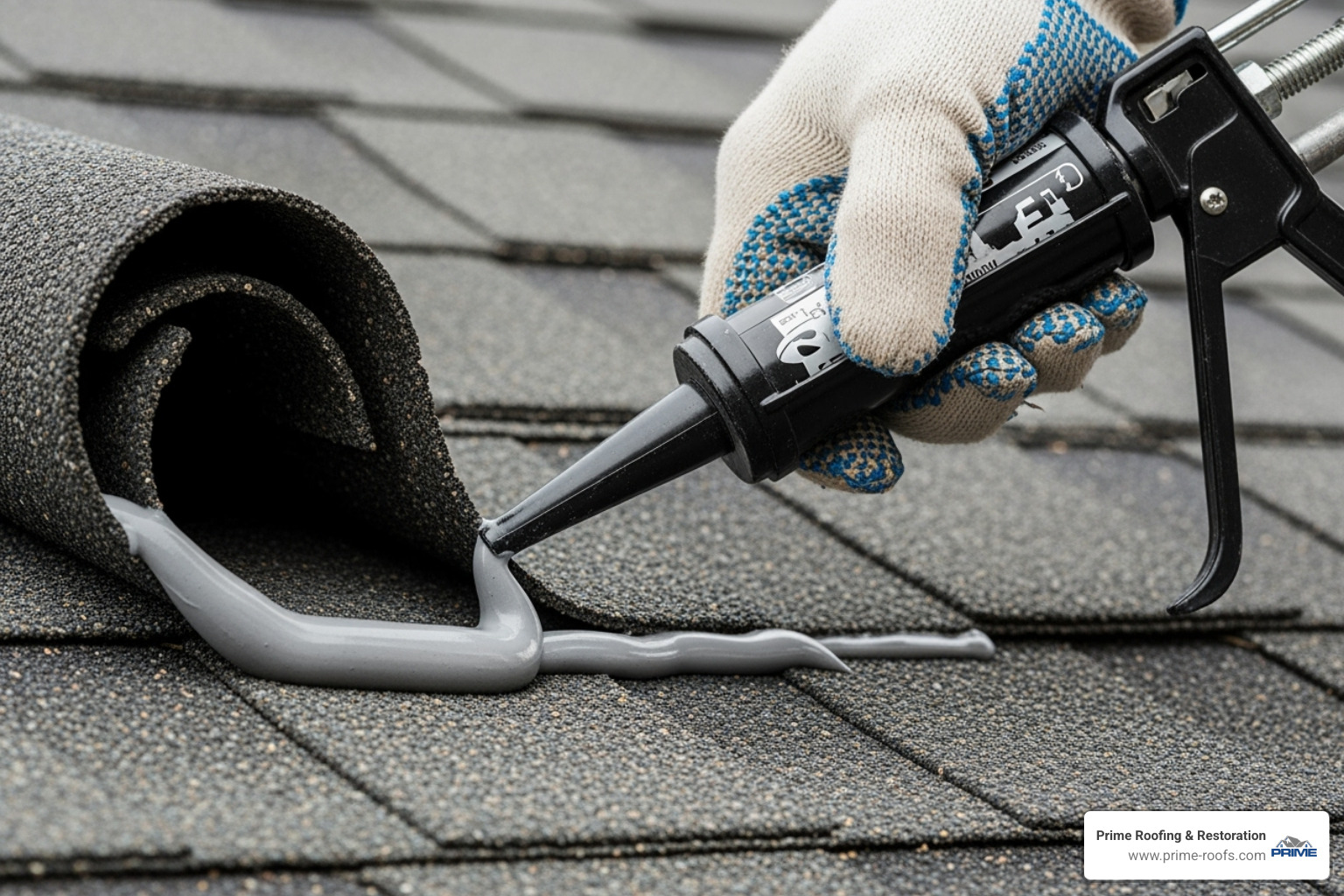
- Curled Shingles: If your shingles are curling but aren’t cracked or brittle, you might be able to flatten them out.
- Clean the Area: Carefully clean any debris or dirt from under and around the curled portion of the shingle.
- Apply Sealant: Using your caulking gun, apply a generous bead of roofing sealant or cement underneath the curled edge.
- Press Down: Firmly press the curled shingle down into place, ensuring good contact with the sealant and the shingle below it.
- Weigh Down for 24 Hours: For best results, place a heavy object (like a brick wrapped in a towel to prevent damage) on top of the repaired shingle for at least 24 hours. This pressure helps the sealant bond properly as it cures. Remove the weight gently after the curing period.
- Cracked Shingles: For shingles with cracks or small tears that haven’t completely separated:
- Clean and Prepare: Ensure the shingle is clean and dry.
- Apply Sealant Under the Crack: Use your caulking gun to apply a bead of roofing sealant directly into the crack and underneath the edges of the crack.
- Press and Apply Over: Press the shingle down firmly. Then, apply a second, thinner bead of sealant directly over the crack.
- Spread Evenly: Use a putty knife or trowel to spread the sealant evenly, creating a smooth, watertight patch.
- Sprinkle Loose Granules on Top (Optional but Recommended): If you’ve collected any loose granules from your gutters, or have some from a new shingle, sprinkle them over the wet sealant. Gently pat them down. This helps the repair blend in visually and provides an extra layer of UV protection. It’s like giving your shingle a little camouflage!
Repair or Replace? Knowing When to Call a Professional
While DIY repairs can save money on minor issues, some situations require a professional’s expertise to prevent further damage and ensure your home is secure. Think of it like a doctor’s visit: you can treat a cold at home, but a broken bone needs a specialist! Shingle roof repairs can generally cost in the range of $200 to $1,000 for isolated issues, but ignoring a major problem can quickly escalate into a full roof replacement, which is a much more significant investment.
Signs Your Roof Needs More Than a Simple DIY Fix
Knowing when to step back and call in the cavalry is crucial. Here are the red flags that tell us your roof needs professional attention:
- Widespread Damage: If you have more than a handful of damaged or missing shingles scattered across your roof, it’s a sign of a larger, systemic problem. Attempting to patch dozens of shingles yourself is often inefficient and may not address the underlying cause.
- Roof is Over 20 Years Old: Asphalt shingles have a lifespan, typically 15-30 years. If your roof is nearing or has exceeded this age, even minor damage can indicate overall deterioration. At this point, repairs become a band-aid solution, and a full replacement is usually the more cost-effective long-term option. For a deeper dive into knowing when it’s time for a new roof, check out 5 Signs You Need Roof Replacement.
- Sagging Roof Deck: This is a serious structural issue. If you notice any dips or sagging areas on your roof, it could indicate weakened decking or framing due to prolonged moisture damage or improper installation. This is definitely not a DIY fix and requires immediate professional assessment.
- Multiple Interior Water Stains: A single water stain might point to an isolated leak. But if you see multiple stains on your ceilings or walls, especially across different rooms, it suggests widespread water intrusion. Finding the source of these multiple leaks can be like solving a complex puzzle, often requiring specialized tools and expertise to pinpoint. Sometimes, what seems like a leak isn’t even a roof issue at all! It’s critical to find where the leak is coming from precisely.
- Large Areas of Missing Granules: While some granule loss is normal, large, bald patches expose the asphalt to harmful UV rays, accelerating its breakdown. This often indicates the shingles are at the end of their useful life and replacing a few won’t solve the overall problem.
The Benefits of a Professional Roof Repair
When you’re dealing with anything beyond a minor patch, calling in the pros offers significant advantages:
- Safety: Roofing work is inherently dangerous. Professionals have the right safety equipment, training, and experience to steer steep pitches, heights, and unstable surfaces. We prioritize safety for our team and your property.
- Proper Diagnosis: Our licensed experts don’t just fix the symptom; they diagnose the root cause of the problem. Is it just a missing shingle, or is there an underlying ventilation issue, damaged flashing, or something more complex? We get to the bottom of it.
- Quality Materials: Professionals have access to high-quality, durable materials that match your existing roof, ensuring a seamless and long-lasting repair. We know which products perform best in Alabama’s climate.
- Workmanship Warranty: Reputable roofing companies like ours stand behind our work. This means if an issue arises from our repair, we’ll fix it, giving you peace of mind.
- Insurance Claim Assistance: If your damage is due to a storm, navigating insurance claims can be a headache. We have experience working with insurance companies and can help streamline the process for you.
- Local Expertise: For homeowners in areas like Gulf Shores, our team at Prime Roofing & Restoration understands the unique challenges posed by coastal weather. We are experts in roof repair in Gulf Shores and throughout Alabama, ensuring your repair is custom to local conditions.
Proactive Protection: Extending the Life of Your Shingle Roof
The best repair is the one you never have to make! Regular maintenance can spot problems early and significantly extend the life of your roof, protecting your investment for years to come. Think of it as a wellness plan for your roof. The lifespan of asphalt shingles can be significantly influenced by climate, maintenance, and the quality of the initial installation, so proactive care really pays off.
Here are our top tips for keeping your asphalt shingle roof in tip-top shape:
- Regular Inspections: We recommend performing a visual inspection of your roof at least twice a year, ideally in the spring and fall. Grab a pair of binoculars and scan for missing, cracked, or curled shingles, bald spots, and any signs of wear. Also, always inspect your roof after any severe weather event, like a hailstorm or strong winds. These quick checks can help you catch minor issues before they escalate.
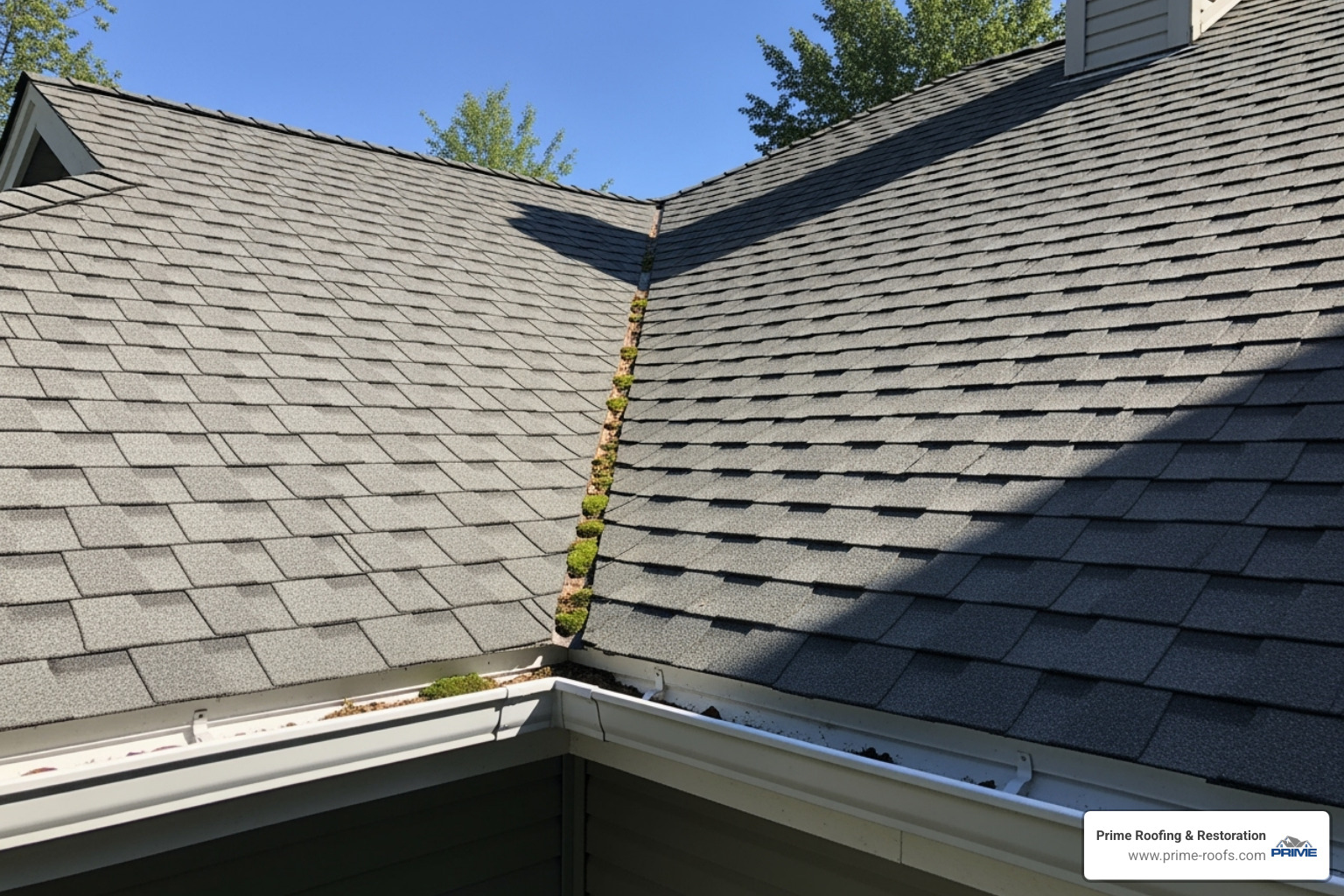
- Clean Gutters: Clogged gutters prevent water from draining properly, causing it to back up and potentially seep under your shingles and fascia. This can lead to wood rot, leaks, and even ice dams in colder climates (though less common in Alabama, it’s still a risk during winter freezes). Keeping your gutters clear ensures proper water flow away from your home.
- Trim Overhanging Branches: Tree branches rubbing against your roof can wear away shingle granules, creating bald spots. During storms, these branches can break off and cause significant impact damage. Trim them back to prevent unnecessary wear and potential hazards.
- Inspect After Storms: After a severe storm, especially one with high winds or hail, take the time to inspect your roof for any new damage. This includes looking for loose or missing shingles, dents, or signs of impact. Prompt detection allows for quick repairs, minimizing potential water infiltration.
- Address Minor Issues Promptly: Don’t procrastinate on small repairs. A single cracked shingle might seem insignificant, but it’s an open invitation for water. Fixing these minor issues quickly prevents them from becoming larger, more expensive problems down the line. It’s like patching a tiny hole in a boat before it sinks!
For comprehensive care, consider investing in professional roof maintenance. Our team can identify subtle issues, clear debris, and perform minor repairs that extend your roof’s life and ensure its peak performance.
Your Local Roofing Experts in Alabaster, AL
For homeowners in Alabaster, Hoover, and the surrounding areas, having a trusted local roofer is essential. We understand the unique challenges our Alabama climate presents to your roof, from scorching summers to sudden, intense storms. If you’re facing roof damage that’s beyond a simple fix, or if you just want peace of mind with a professional inspection, our team is ready to help.
At Prime Roofing & Restoration, we’re not just about fixing roofs; we’re about building lasting relationships and protecting homes and families. Our licensed experts are committed to using quality materials and providing 24/7 service when you need it most.
Prime Roofing & Restoration
Address: 5 Brown Cir, Alabaster, AL 35007
Phone: (205) 661-8190
Frequently Asked Questions about Asphalt Shingle Repair
We get a lot of great questions from homeowners about their roofs. Here are some of the most common ones we hear regarding asphalt shingle repair:
How often should I inspect my roof for damage?
You should perform a visual inspection of your roof at least twice a year, ideally in the spring and fall. These seasonal checks allow you to catch any issues that might have developed over the winter or summer. It’s also wise to check for damage after any severe weather event, like a hailstorm, strong winds, or heavy snowfall. Regular inspections help you spot potential problems before they escalate into costly repairs. Think of it as your roof’s annual physical!
Can I repair my roof in cold or wet weather?
It is not recommended. Asphalt shingles become brittle in cold temperatures and can easily crack or break when you try to bend or lift them for repair. Additionally, roofing sealants and cements require warm, dry conditions to cure properly and form a strong, watertight seal. Attempting repairs in wet conditions is not only dangerous due to slippery surfaces but also prevents adhesives from bonding effectively, making your repair less durable and potentially causing more problems down the line. Always wait for a warm, dry day!
What is the difference between roof repair and replacement?
Roof repair addresses specific, isolated problems like a few missing shingles, a small leak around flashing, or a cracked shingle. It’s a targeted solution designed to fix a localized issue and extend the roof’s overall lifespan. It’s like patching a tire. A Shingle Roof Replacement Complete Guide, on the other hand, involves removing all existing roofing material down to the roof deck and installing a completely new roofing system. This is typically necessary when the roof is nearing the end of its lifespan, has widespread damage (like extensive granule loss or multiple leaks), or has suffered catastrophic failure. It’s a complete overhaul, like getting a brand new set of tires when your old ones are worn out.
Conclusion
Taking care of your asphalt shingle roof is a vital part of homeownership. By learning to identify common issues, tackling minor repairs with the right tools and techniques, and knowing when to call for professional help, you can ensure your roof remains strong and secure. A little preventative maintenance and timely attention go a long way in preventing costly damage down the road.
If you’re facing a repair that feels out of your league, if your roof is showing signs of widespread wear, or if you simply want a professional assessment for peace of mind, the licensed experts at Prime Roofing & Restoration are here to help. We’re dedicated to providing comprehensive, reliable solutions for all your roofing needs. Don’t let a small issue turn into a big headache – contact us today for a free roof repair estimate. We’re always here to lend a helping hand (or hammer!).