
Why Your Shed’s First Line of Defense Starts With Felt
Putting felt on a shed roof is arguably the single most important and cost-effective measure you can take to protect your outdoor building and its valuable contents. A shed is more than just a wooden box; it’s a storage space for expensive tools, lawn equipment, bicycles, and sentimental items. Its roof is the primary shield against rain, snow, sun, and wind, and shed felt serves as the critical waterproof barrier standing between your possessions and the elements. At Prime Roofing & Restoration, a trusted roofing company serving Alabaster and the greater Birmingham area, we understand that the principles of good roofing apply to every structure, no matter the size. We apply the same meticulous standards to a backyard shed as we do to a full home roof installation, because we know that quality work prevents costly damage down the line. This comprehensive guide will walk you through everything you need to know to get the job done right.
Quick Answer: Putting Felt on a Shed Roof
- Prepare the Roof Deck: Completely remove all old felt, tacks, and nails. Inspect the underlying wood for any signs of rot or damage, making necessary repairs before proceeding. A clean, dry, and solid surface is non-negotiable.
- Measure and Cut Felt Strips: Measure the length of your roof and cut your felt strips, allowing for a 50-75mm (2-3 inch) overhang on all edges. This extra material is crucial for creating waterproof folds and drip edges.
- Start at the Bottom: Always begin laying felt at the lowest edge of the roof (the eaves) and work your way up towards the peak (the apex). This ensures that water flows down over the overlaps, not into them.
- Secure with Clout Nails: Use 13mm galvanized clout nails. Place them approximately 100mm (4 inches) apart along the top edge of the felt strip and about 300mm (12 inches) apart along the bottom, overlapping edge.
- Fold Corners Neatly: Use the professional “blanket fold” technique at the corners. This involves a strategic cut and fold to create a seamless, watertight seal that resists wind and rain.
- Seal Overlaps with Adhesive: For maximum protection, apply a thin bead of cold-gritting bitumen adhesive along all overlaps before nailing them down. This creates a powerful, waterproof bond.
- Install Fascia and Bargeboards: Trim any excess felt with a sharp utility knife. Fold the overhangs neatly and secure them before re-attaching or installing new fascia boards to protect the felt edges and provide a clean, professional finish.
Average time: 2-4 hours for a standard 8×6 shed | Cost: $75-$150 in materials
This bitumen-impregnated material, often called roofing felt or tar paper, is a time-tested protective layer that prevents water penetration, stops wood rot, and combats mold growth. A well-installed felt roof will easily outlast many of the items stored inside your shed, potentially providing 10 to 20 years of reliable service. The keys to achieving this longevity are always the same: thorough preparation, the correct materials, and meticulous attention to detail during installation.
Why Your Shed Needs a Felt Roof: More Than Just a Cover
Putting felt on a shed roof creates an indispensable waterproof barrier that can extend your shed’s functional lifespan by a decade or more. This material, known technically as bituminous waterproofing membrane and colloquially as roofing felt or tar paper, is a sheet of fibers saturated with bitumen. This process makes it inherently water-resistant and one of the most economical ways to safeguard your stored belongings from moisture damage.
According to construction industry data, wooden structures like sheds that lack proper underlayment or a waterproof membrane can deteriorate up to 60% faster than those with a quality protective layer. Without this shield, rainwater inevitably seeps into the wooden roof deck and structural timbers. This moisture intrusion is the primary cause of wood rot, mold and mildew proliferation, and eventual structural failure. A single weekend spent properly felting a roof can prevent the premature collapse of the structure and save you thousands in replacement costs.
Understanding Your Felt Options
Choosing the right type of felt is a critical decision that directly impacts your roof’s durability and longevity. The most common differentiator is weight, which corresponds to thickness and toughness.
- Standard Shed Felt (Sand-Backed): This is a basic, cost-effective option suitable for small, simple shed roofs in sheltered locations. It’s lightweight and flexible but more prone to tearing during installation or in high winds.
- Heavy-Duty Mineral-Felt: This felt has a layer of fine mineral granules on its surface. This coating provides enhanced protection against UV radiation, which breaks down bitumen over time, and adds significant tear resistance. It’s the recommended choice for most applications.
- Polyester-Reinforced Felt: This premium option features a polyester core instead of traditional fiber, offering superior strength and tear resistance. It’s more flexible in cold weather and is an excellent choice for larger sheds or buildings in exposed, high-wind areas.
- Self-Adhesive Felt: Designed for ease of use, this felt has a peel-and-stick backing, eliminating the need for separate adhesive along the overlaps. It provides a quick, clean installation but often comes at a higher price point.
- Torch-On Felt: This is a professional-grade material that requires a propane torch to heat the underside, melting the bitumen to create an incredibly strong, fused bond with the roof deck and subsequent layers. Due to the significant fire risk, it is not recommended for DIY installation.
Here’s a more detailed comparison of the most common DIY options:
| Feature | Standard Felt (15#) | Heavy-Duty Mineral Felt (30#) |
|---|---|---|
| Durability | Moderate; can tear in strong winds or if snagged. | High; mineral surface resists tears and UV degradation. |
| Cost | Lowest upfront cost. | Moderate upfront cost. |
| Ease of Use | Very flexible and easy to handle. | Stiffer and heavier, requires more effort to position. |
| Lifespan | 5-10 years with good maintenance. | 10-20 years with proper installation and care. |
| UV Resistance | Low; bitumen is exposed and can degrade in sunlight. | High; mineral coating acts as a sunblock. |
| Best Use | Small sheds, temporary structures, budget-conscious projects. | Most sheds, workshops, high-wind areas, long-term durability. |
While it may be tempting to save a few dollars on standard felt, investing in a higher-quality, heavy-duty mineral felt will almost always pay for itself in longevity and reduced maintenance. A properly installed mineral felt roof can provide two decades of worry-free protection, a testament to the value of choosing the right materials from the start.
Gearing Up: Tools and Materials for the Job
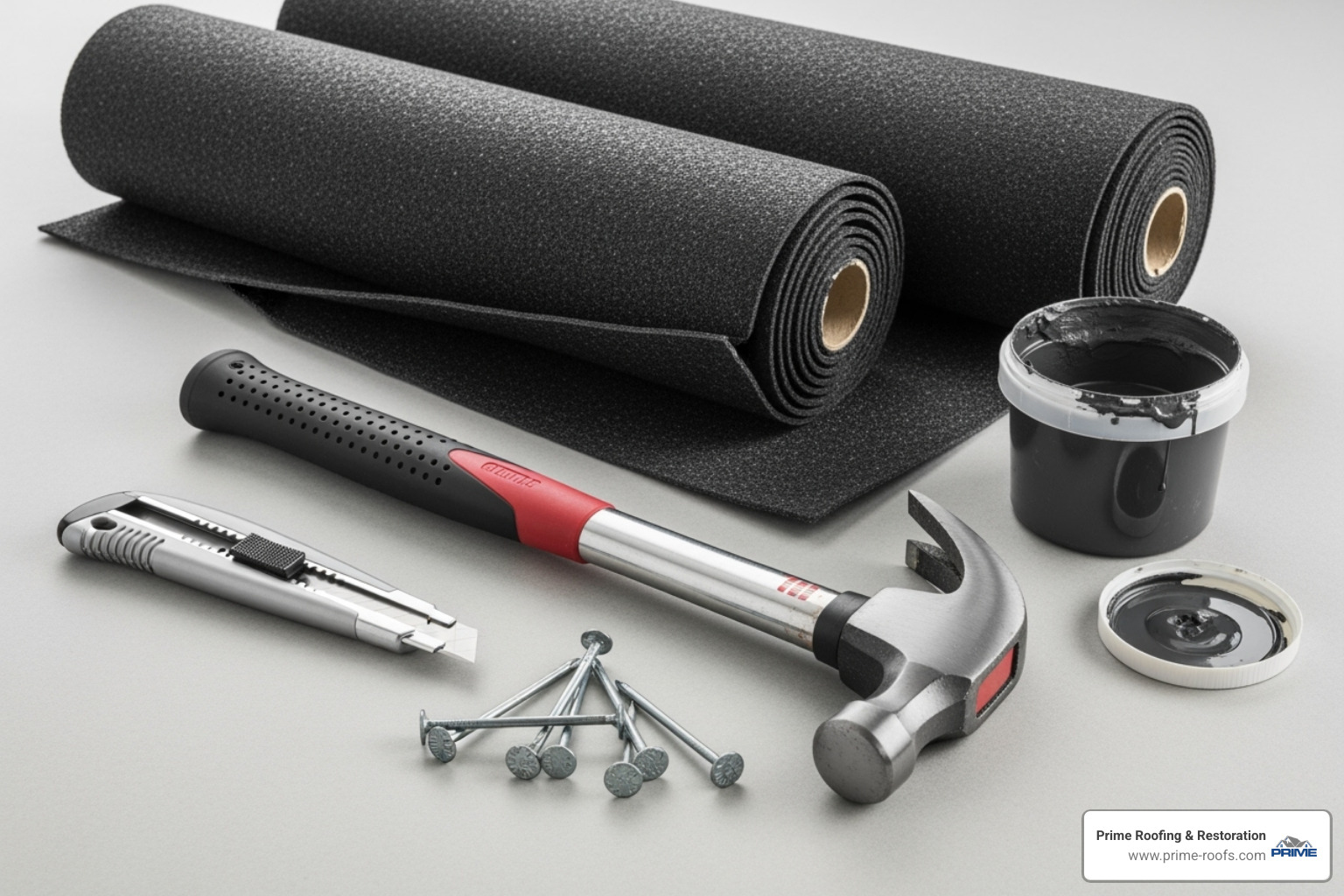
Thorough preparation is the cornerstone of any successful roofing project, big or small. As professionals, we know that having every tool and material organized and within reach before climbing a ladder is a critical safety measure. It prevents dangerous trips up and down, minimizes the risk of accidents, and ensures an efficient, frustration-free workflow. We recommend laying everything out on a tarp near your work area before you begin.
Essential Tools
- Claw Hammer: A must-have for both prying up old nails and driving in the new clout nails.
- Utility Knife: Essential for cutting the felt. A knife with a hooked blade is particularly effective for cutting roofing materials. Keep a generous supply of extra blades, as the bitumen and mineral grit will dull them very quickly.
- Tape Measure: For taking accurate measurements of the roof deck and felt strips. Measure twice, cut once.
- Straight Edge or Chalk Line: A long metal ruler or a chalk line is crucial for guiding your knife to make perfectly straight cuts and for marking your overlap lines on the roof.
- Paintbrush: A cheap, disposable 4-inch paintbrush is perfect for applying the felt adhesive neatly and evenly.
- Sturdy Ladder: Your ladder must be in good condition and placed on firm, level ground. For safety, it should extend at least three feet (about 1 meter) above the roof edge. Following the OSHA guidelines for ladder safety is always a good practice.
- Safety Gear: Non-negotiable. Wear safety glasses to protect your eyes from flying debris and nail strikes. Heavy-duty work gloves will protect your hands from cuts and sticky bitumen.
- Broom or Stiff Brush: For thoroughly cleaning the roof deck after removing the old felt.
Essential Materials
- Roofing Felt: To calculate your needs, measure the length and width of one roof slope. Multiply them to get the area, then double it (for an apex roof). Finally, add 25% to this total to account for overlaps, the ridge cap, and potential waste. Most rolls are 10 meters long and 1 meter wide.
- Galvanized Clout Nails (13mm): These are the only acceptable nails for this job. Their large, flat heads are specifically designed to secure the felt without tearing it, and the galvanized coating prevents them from rusting and failing over time.
- Felt Lap Adhesive: This is a cold-applied bitumen adhesive used to create a permanent, waterproof seal at all overlaps and edges. This bond is far more secure and watertight than relying on nails alone.
- Fascia/Bargeboards: If your existing boards are rotted or damaged, you will need new timber to protect the edges of the felt and provide a solid surface for nailing.
- Wood Preserver: If you are installing new timber fascia boards or have had to replace sections of the roof deck, treat the new wood with a quality preserver before installation to prevent future rot.
The 7-Step Guide to Putting Felt on a Shed Roof
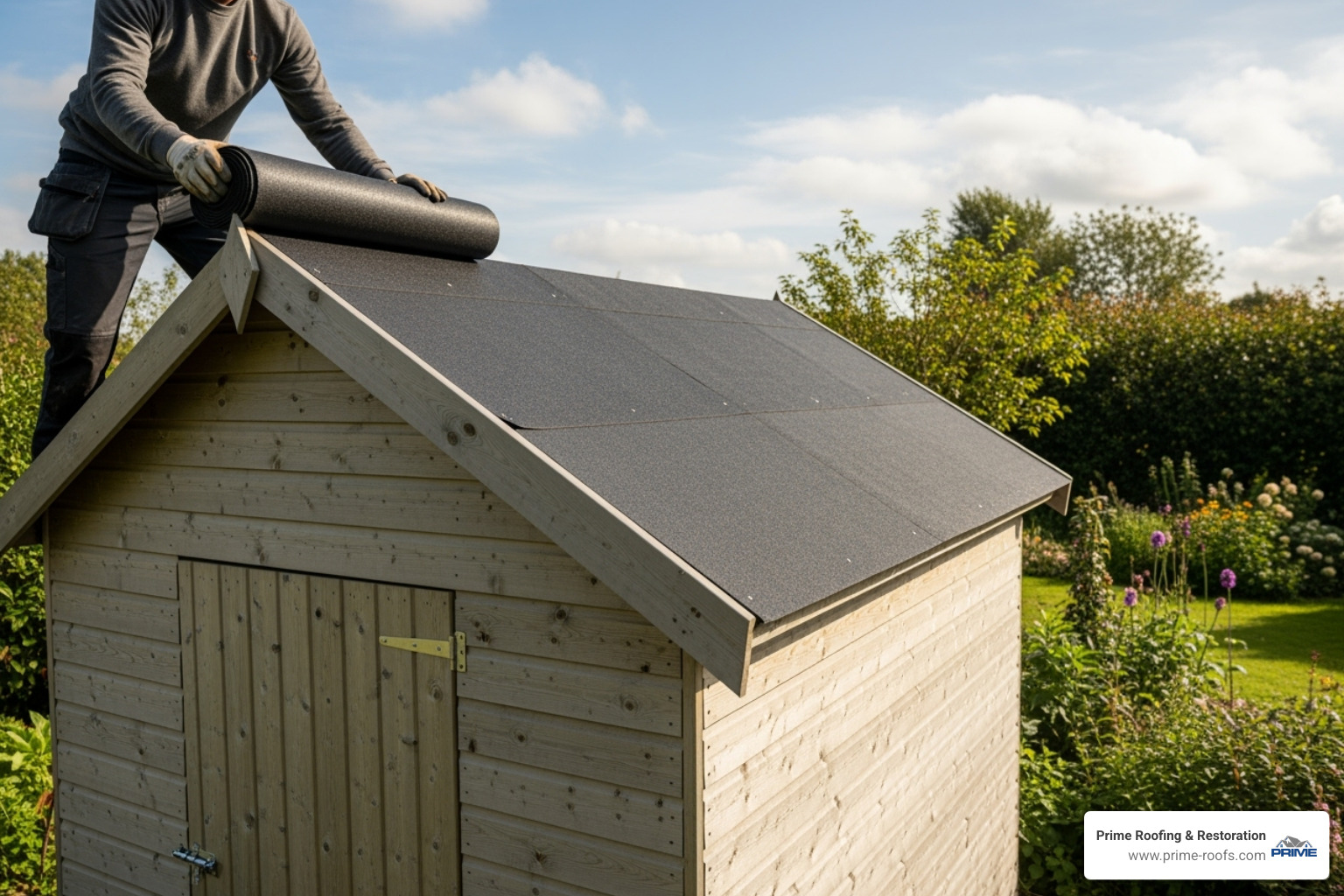
With your tools and materials prepared, you’re ready to begin the process of putting felt on shed roof panels. The core principles you’ll use—working from the bottom up, ensuring adequate overlaps, and sealing all edges—are the same fundamentals that professionals apply to every roof installation. Following these steps meticulously will transform your shed from weathered and vulnerable to completely weatherproof.
Step 1: Prepare the Roof Deck
This is the most critical step. Never lay new felt over old material. This common shortcut traps moisture, accelerates rot, and hides underlying damage. Start by using your claw hammer and a pry bar to remove all old felt, nails, and tacks. Once the roof is stripped bare, conduct a thorough inspection of the roof deck. Look for discolored, soft, or spongy wood, which are clear signs of rot. Press firmly all over the surface; if it feels soft or gives way, the board must be replaced. After making any necessary repairs, sweep the surface completely clean of all dust and debris. The roof must be 100% dry before you proceed.
Step 2: Measure and Cut Your Felt
Precision here prevents waste and ensures a perfect fit. Measure the length and width of your roof. For a standard apex roof, you will typically need three pieces: one for each side slope and one for the ridge. Add a 50-75mm (2-3 inch) overhang allowance to your measurements. A 50mm (2-inch) overhang is sufficient for the eaves (the horizontal bottom edges), while a 75mm (3-inch) overhang is better for the gable ends (the triangular vertical edges). Unroll the felt on a flat surface, mark your dimensions, and use a straight edge and a sharp utility knife to make clean, straight cuts.
Step 3: Lay the First Side Panel
To ensure water sheds correctly, always work from the lowest point of the roof upwards. Begin at one of the bottom eaves. Position your first piece of felt, allowing the pre-cut overhangs to drape over the edges. Pull the felt taut so it lies perfectly flat without any wrinkles or bubbles, but do not stretch it so tight that it could tear or contract and split in cold weather. Secure the top edge of the felt (the edge nearest the apex) with clout nails spaced approximately 100mm (4 inches) apart, about 50mm down from the edge.
Step 4: Lay the Second Side Panel and Ridge Cap
Move to the other side of the roof. Lay the second piece of felt, again starting from the eave and working up. This second piece must overlap the first strip by at least 75mm (3 inches) at the apex of the roof. Before nailing, run a continuous bead of felt adhesive along the entire length of this overlap. Press the top piece down firmly into the adhesive. Nail down the second panel using the same pattern as the first. Now, take your final piece, the ridge cap. Apply adhesive along both bottom edges of the cap, then center it over the apex, ensuring it overlaps both side panels evenly. Press it down firmly and secure it with two rows of clout nails, one on each side, spaced every 100mm.
Step 5: A Guide to Putting Felt on Shed Roof Corners
Neat, watertight corners are the hallmark of a professional job and are crucial for preventing leaks and wind damage. The “blanket fold” method is the best technique.
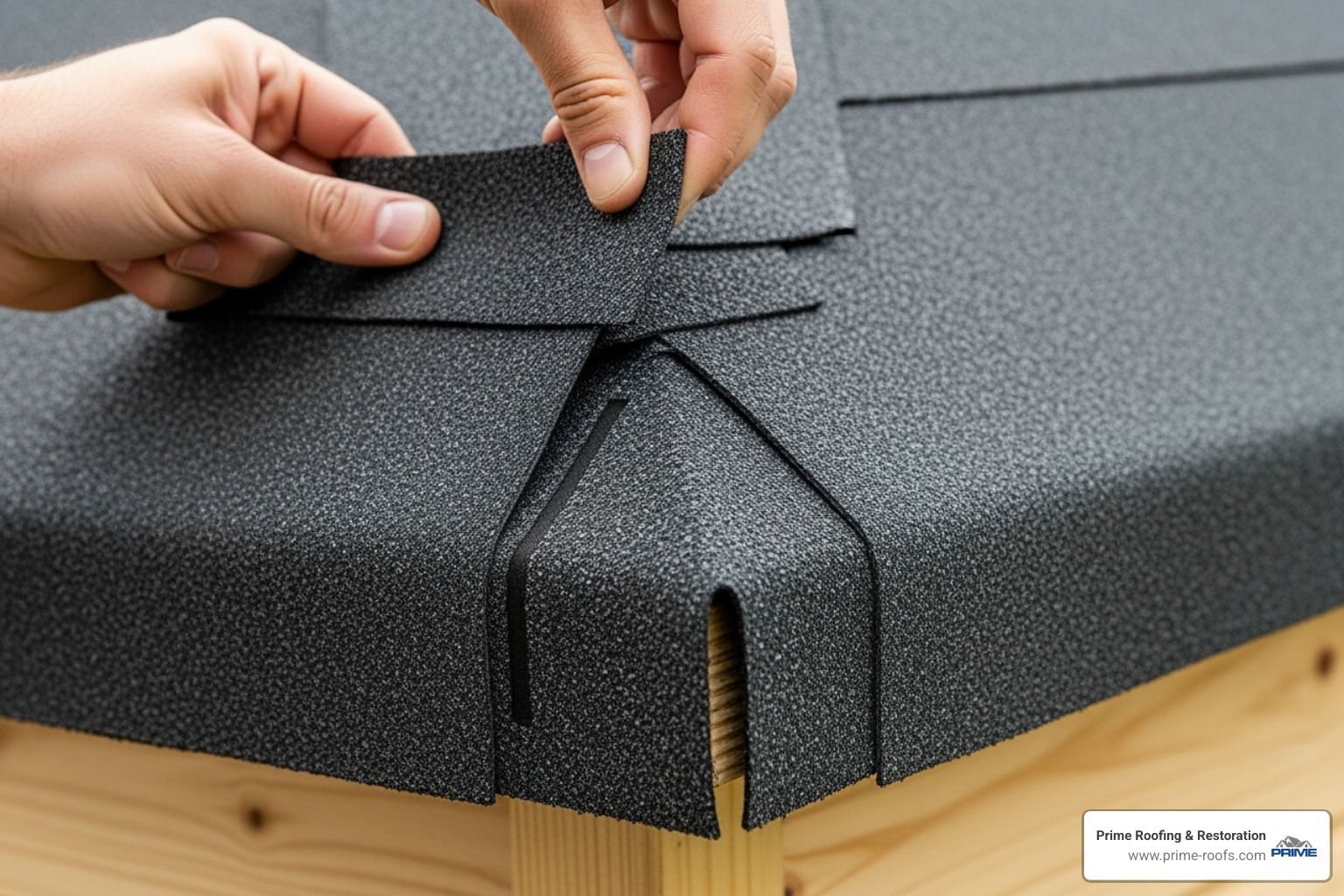
At each of the four corners, you will have an overhanging flap. Make a single vertical cut in the felt, from the bottom edge up to the point where the felt meets the corner of the roof deck. This creates a top flap and two side flaps. Fold the side flaps down against the gable end of the shed first. Then, fold the top flap down over them, creating a neat, layered package. Secure this folded corner firmly with three or four clout nails, ensuring you nail through all the layers of felt.
Step 6: Secure the Edges and Eaves
A tidy finish is essential for preventing wind uplift and water ingress. Go to the eaves (the horizontal bottom edges) and neatly fold the 50mm felt overhang under the edge of the roof deck. Secure this folded edge with clout nails every 150mm (6 inches). This creates a ‘drip edge’ that encourages water to fall clear of the shed wall. At the gable ends, fold the 75mm overhang around the edge and nail it to the side of the roof structure. Now, re-attach your fascia or bargeboards over the felt on the gable ends. These boards protect the felt edges from direct weather and provide a much cleaner, more durable finish. Finally, use your utility knife to trim any remaining excess felt for a perfectly neat appearance.
Step 7: Final Inspection
One last check ensures your hard work will last for years. Walk around the entire shed, closely inspecting every edge and seam. Hammer down any nails that aren’t fully seated (‘proud’ nails). Press down on all overlaps to ensure the adhesive has created a strong bond. Double-check that all corner folds are secure and that there are no loose or flapping edges that wind could catch. For a helpful visual reference, this article on how to felt a shed roof from a reputable DIY source provides excellent diagrams of these techniques.
Avoiding Common Mistakes When Putting Felt on a Shed Roof
Even a seemingly simple project like felting a shed roof has pitfalls that can compromise the final result. Avoiding these common errors is the difference between a roof that lasts two years and one that provides two decades of protection. Many of these mistakes stem from rushing the job or trying to cut corners.
-
Not Removing Old Felt: This is the single most critical mistake. Laying new felt over an old, potentially failing layer traps moisture and debris. This creates a breeding ground for mold and wood rot, hides serious damage to the roof deck, and provides an uneven surface that will cause the new felt to fail prematurely. Always strip the roof down to the bare wood.
-
Insufficient Overlap: Water is relentless and will find any weakness. A minimum overlap of 75mm (3 inches) at all horizontal seams and 150mm (6 inches) for the ridge cap is crucial. This ensures that even wind-driven rain flows over the layers, not between them. Skimping on overlaps is a guaranteed recipe for future leaks.
-
Using the Wrong Nails or Fasteners: Never use staples, screws, or standard nails. Staples and screws create tiny holes that will leak, and standard nails have small heads that will tear through the felt under pressure. You must use galvanized clout nails. Their large, flat heads distribute pressure to hold the felt securely without tearing, and the galvanization prevents rust.
-
Not Pulling the Felt Taut: The felt should lie smooth and flat against the roof deck. If it’s too loose, it will flap and buffet in the wind, which can lead to tearing at the nail points. Conversely, if it’s stretched too tight (especially on a hot day), it can become brittle and crack or split when it contracts in colder weather.
-
Working in Poor Weather: Attempting this job in the rain, high winds, or extreme cold is a bad idea. Felt adhesive will not bond correctly to damp or cold surfaces, and a wet roof is a serious safety hazard. Wind makes handling large sheets of felt difficult and dangerous. Always wait for a calm, dry, and mild day.
-
Ignoring Roof Deck Damage: New felt is only as good as the foundation it’s on. Laying a fresh layer over soft, rotting wood is a complete waste of time and money. The nails won’t hold, and the rot will continue to spread, leading to structural failure. Any suspect boards must be repaired or replaced before you begin.
-
Applying Too Much or Too Little Adhesive: A common error is to either skip the adhesive entirely or apply it too thickly. A thin, continuous bead (about the width of a pencil) is all that’s needed along the overlaps. Excessive adhesive can ooze out, creating a mess, and can restrict the felt’s natural ability to expand and contract with temperature changes, leading to stress tears.
-
Improper Nailing Technique: Don’t skimp on nails. Follow the recommended spacing: 100mm (4 inches) at overlaps and 150mm (6 inches) at edges. Also, ensure you nail in the right place—nailing too close to the edge of a strip can cause it to tear out. Drive nails straight and flush with the surface; over-driving will damage the felt, while under-driving leaves a loose spot.
Beyond the Install: Maintenance, Longevity, and Alternatives
Once you’ve successfully finished putting felt on shed roof, your work isn’t quite done. A small amount of ongoing care will ensure your new roof achieves its maximum potential lifespan. A professionally installed, high-quality mineral felt roof can last 10 to 20 years, but its longevity is directly tied to regular maintenance and the local climate.
Ensuring Longevity and Proper Maintenance
A proactive approach to maintenance is key. Create a simple annual schedule to keep your shed roof in top condition.
- Bi-Annual Inspections: At least twice a year, in the spring and fall, perform a visual inspection of your roof. Do this after any major storm as well. Look for any signs of damage, such as tears, blisters, punctures from falling branches, or any edges that appear to be lifting.
- Patch Small Tears Immediately: If you find a small tear or hole, don’t ignore it. You can easily repair it with an offcut of felt and some lap adhesive. Clean the area, apply adhesive around the tear, press the patch firmly in place, and weigh it down until it sets. This quick fix can prevent a major leak.
- Maintain Sealed Edges: The edges and seams are the most vulnerable points. If you notice any part of an overlap or edge lifting, clean out any debris from underneath, apply a fresh bead of felt adhesive, and press it down firmly until it bonds.
- Keep it Clean: Regularly sweep off leaves, twigs, and other debris. This detritus traps moisture against the felt surface, which accelerates the degradation of the bitumen and can promote moss growth. Moss is particularly damaging as its roots can penetrate the felt and create pathways for water.
- Address Problems Promptly: A tiny issue left unattended will invariably become a large, expensive problem. A small leak can quickly lead to a rotted roof deck, which is a much more involved and costly repair. The moment you spot a problem, fix it.
Best Alternatives to Traditional Shed Felt
While mineral felt offers an excellent balance of cost and performance, other materials provide superior longevity and durability, especially in regions with harsh weather.
-
EPDM Rubber Roofing: Ethylene Propylene Diene Monomer (EPDM) is a synthetic rubber membrane that is extremely durable and waterproof. It often comes in a single sheet large enough to cover a standard shed roof, completely eliminating seams—the most common point of failure. It is highly resistant to UV rays and temperature extremes and can last from 20 to 50 years. It’s an outstanding choice for flat or low-pitch shed roofs.
-
Corrugated Bitumen Sheets: These are rigid, wavy sheets made from the same bitumen-impregnated material as felt. They are lightweight, easy to install, and offer superior strength and wind resistance compared to rolled felt. They are available in several colors (black, red, green, brown) to better match your garden’s aesthetic.
-
Metal Roofing: For the ultimate in durability and longevity, corrugated steel or aluminum roofing is unmatched. A properly installed metal roof can last 40 to 70 years with virtually no maintenance. It is impervious to rot, fire, and pests and easily sheds snow and rain. While the initial cost for a new roof of this type is higher, its lifespan makes it a sound long-term investment.
-
Felt Shingles: Also known as asphalt shingles, these offer a more decorative, residential look for your shed. They are thicker and more durable than standard rolled felt and come in a wide variety of shapes and colors. However, their installation is significantly more time-consuming and complex, requiring precise alignment and a much higher nail count.
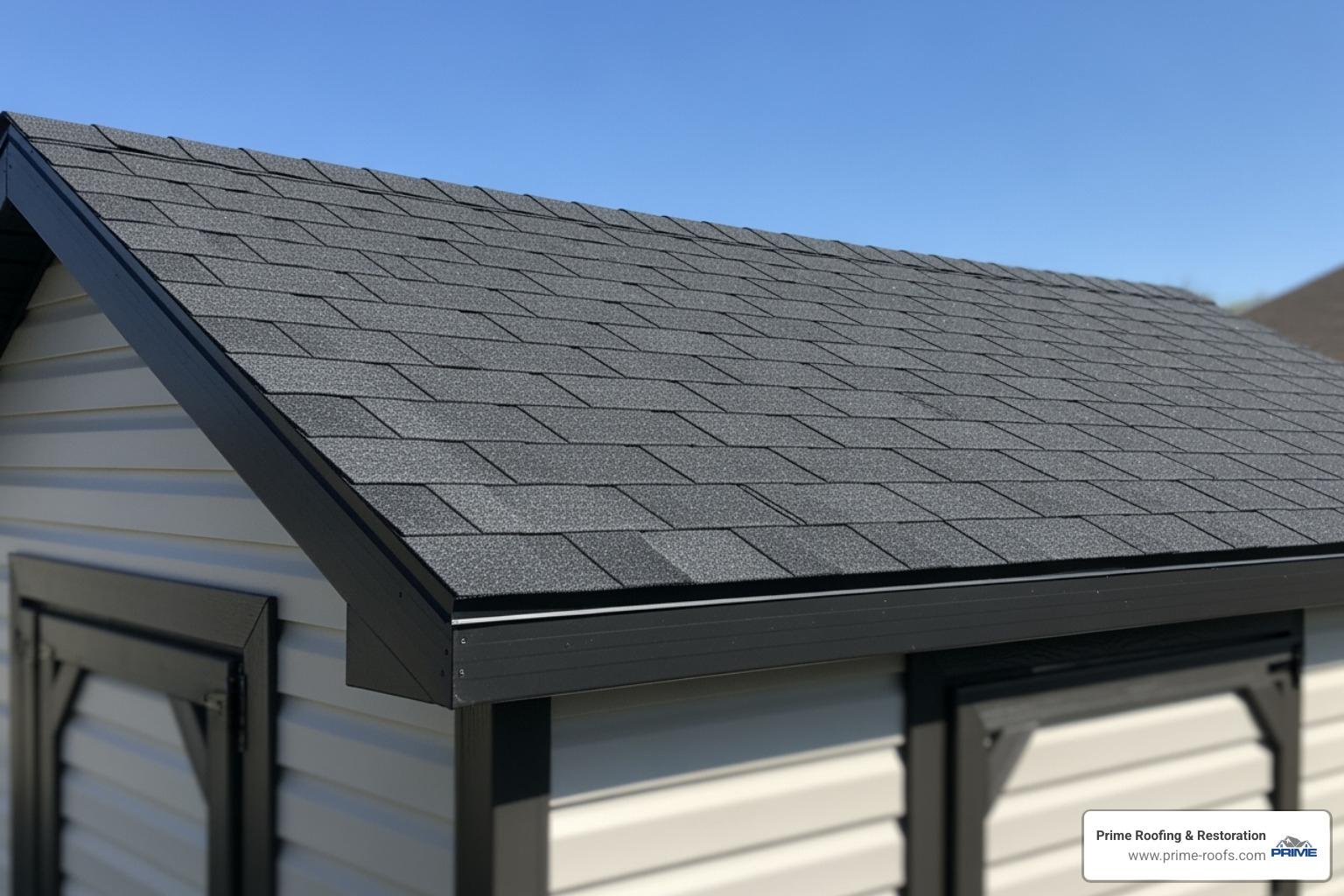
When choosing an alternative, weigh the initial cost against the expected lifespan, installation complexity, and your local climate. The best roofing material is always the one that best suits your specific needs and budget.
Frequently Asked Questions About Shed Felting
As roofing professionals, we get a lot of questions about shed roofs. The answers often highlight fundamental roofing principles that apply to larger structures as well. Understanding these basics is valuable for any homeowner. For more answers to common roofing queries, please visit our main FAQ page.
How often should shed felt be replaced?
A high-quality mineral felt roof, when installed correctly, should last between 10 and 20 years. However, this lifespan is influenced by factors like local climate, tree cover, and maintenance frequency. You should plan to inspect your roof annually. Look for key signs that replacement is needed: widespread cracking or brittleness (the felt looks dry and fragile), large blisters, visible leaks or water stains inside the shed, or significant sections of felt lifting or tearing away from the roof deck. The intense sun and heavy storms common in Alabama can accelerate wear, making these regular inspections particularly important.
Can you put new felt over old shed felt?
Categorically, no. This is a shortcut that should always be avoided. Layering new felt over old material traps moisture, dirt, and fungal spores, which actively promotes wood rot and mold growth in the roof deck. It also prevents you from discovering and repairing existing damage to the underlying structure. Furthermore, the uneven and unstable surface of the old felt will prevent the new layer from adhering and lying flat, leading to premature failure. For a durable, long-lasting result, you must always strip the roof down to the bare timber before applying new felt.
Do you need adhesive for shed felt?
While it is technically possible to install felt with only nails, using a cold-gritting bitumen adhesive is highly recommended for a professional and durable finish. Adhesive creates a monolithic, waterproof bond at the overlaps and edges that is far superior to what nails alone can achieve. It effectively glues the layers together, drastically reducing the risk of water penetration from wind-driven rain and preventing wind uplift. Apply a thin, continuous bead along all overlaps, under the ridge cap, and around the perimeter of the roof for maximum security.
What is the best time of year to felt a shed roof?
The ideal conditions for felting a roof are on a dry, calm, and mild day. Avoid extreme temperatures. If it’s too cold (below 40°F / 5°C), the felt can become brittle and may crack when unrolled or folded, and the adhesive will not cure properly. If it’s too hot, the bitumen can become overly soft and sticky, making the felt difficult to handle and prone to scuffing and damage.
How do I dispose of old roofing felt?
Old roofing felt is generally considered construction waste and cannot be put in your regular household trash. You will need to take it to your local municipal waste and recycling center. Check their specific rules, as some facilities may have a designated area for construction and demolition debris. Bag it securely to make transport and disposal easier.
Seal the Deal: A DIY Felt Roof That Lasts
Protecting your shed with a properly installed felt roof is a fundamental part of property maintenance, ensuring the longevity of the structure and the safety of its contents. This guide has provided the detailed, step-by-step instructions needed to achieve a professional-quality finish that will stand up to the elements for a decade or more. The process of putting felt on shed roof structures is an immensely rewarding DIY project. It teaches fundamental roofing principles and provides the deep satisfaction of safeguarding your property against Alabama’s unpredictable weather.
However, it’s also important to know when a project has moved beyond the scope of DIY. If, after stripping the old felt, you uncover extensive rot or significant structural damage to your shed’s roof deck, it’s wise to pause and consult with experts. Similarly, if you’re considering a more complex material like EPDM or metal, or if the roof is particularly large or steep, bringing in a professional team is the safest and most effective course of action.
At Prime Roofing & Restoration, we have dedicated years to perfecting these techniques on homes and properties throughout Alabaster and the surrounding communities. Our experience allows us to quickly diagnose issues and implement lasting solutions.
If you need a professional roof inspection cost estimate, an expert opinion on your roof’s condition, or are facing a project beyond your comfort zone, our licensed and insured team is ready to help. We believe in providing service that protects not just your property, but also your peace of mind. Don’t hesitate to reach out for assistance with any roofing issue, big or small.
Contact Prime Roofing & Restoration Today:
- Name: Prime Roofing & Restoration
- Address: 123 Main Street, Alabaster, AL 35007 (Serving Alabaster, Pelham, Helena, Hoover, and the greater Birmingham area)
- Phone: +1 (205) 555-7663
- Website: https://www.prime-roofs.com/
- Map: View Our Service Area in Alabaster, AL
For the best roofers in Alabaster, AL, trust the experts who treat every job with the care it deserves.