
When Disaster Strikes: Why Fast Response Matters in Orange Beach
When coastal storms, high winds, or sudden damage threaten your home, emergency roofing orange beach al services become the most critical defense for your property. For residents of Orange Beach, the threat is not abstract; it’s a recurring reality shaped by a climate that is both beautiful and brutal. The area faces unique and severe weather challenges, from over 60 inches of annual rainfall to the ever-present risk of hurricane-force winds that demand urgent, decisive, and professional intervention. A fast response isn’t just a convenience—it is the single most important factor in safeguarding your home’s protection and preventing a minor issue from spiraling into a catastrophic and costly disaster. At Prime Roofing & Restoration, we have built our reputation on providing rapid, reliable emergency services specifically designed to protect your home from the unpredictable and often destructive nature of Alabama’s Gulf Coast weather.
The memory of storms like Hurricane Sally in 2020 serves as a stark reminder of the power of nature in our community. Such events leave behind a trail of destruction where damaged roofs are a primary concern. A single missing shingle or a small puncture from flying debris can act as an open invitation for water intrusion. This is where the domino effect begins. Water seeps into the roof decking, saturates the insulation (rendering it useless), and then travels down wall cavities, staining drywall and pooling on floors. In Orange Beach’s humid environment, this moisture becomes a breeding ground for toxic mold within 24 to 48 hours, posing a serious health risk. Left unchecked, this prolonged moisture exposure will rot wooden structural components, compromising the very integrity of your home. What started as a small roof problem can quickly become a full-blown restoration project costing tens of thousands of dollars. This is why immediate action is paramount.
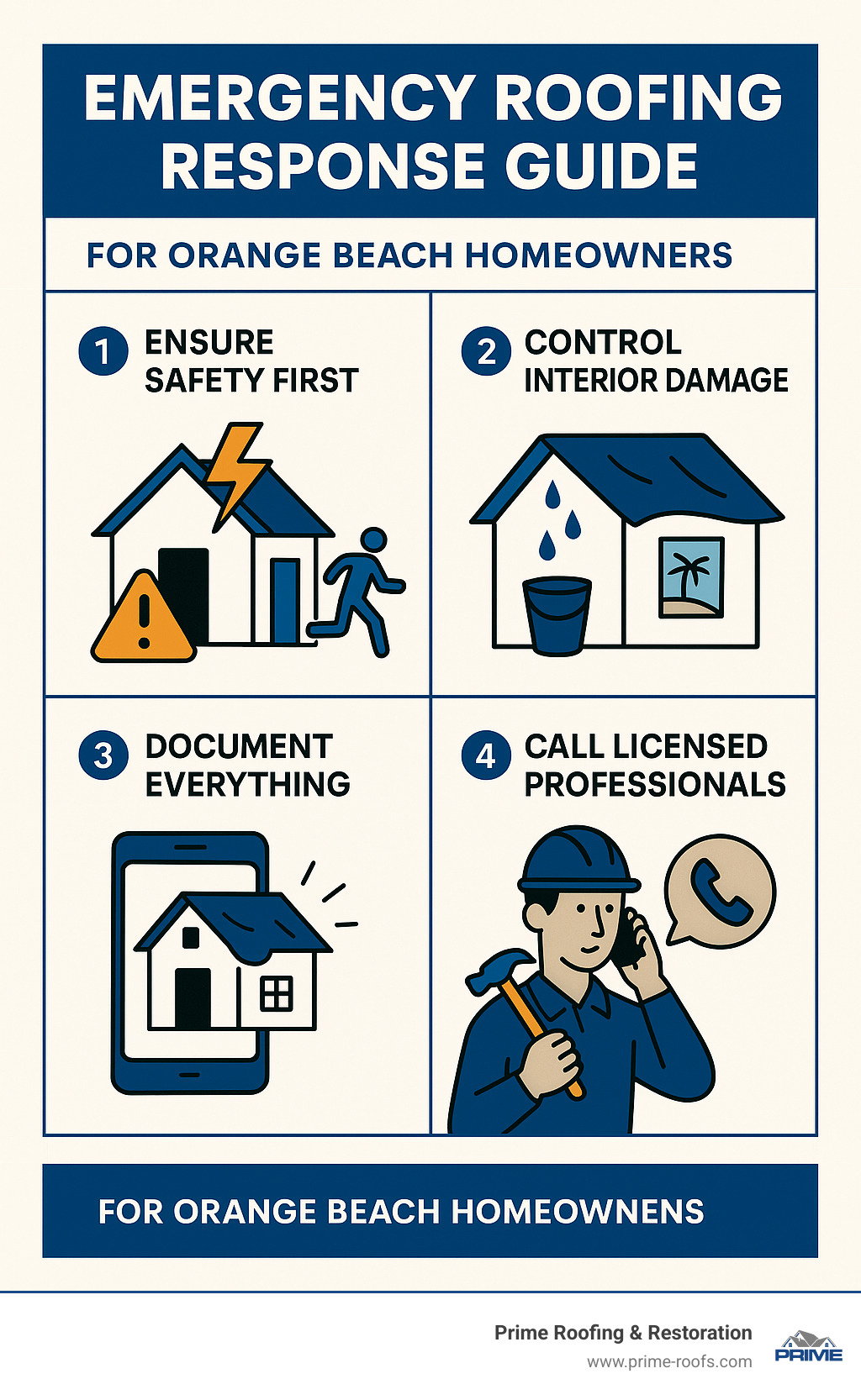
Quick Emergency Response Steps:
- Ensure Safety First: This is your absolute first priority. If you see signs of significant water intrusion, immediately turn off the electricity to the affected areas at the breaker box to prevent the risk of electrocution or electrical fire. If you hear any unusual creaking, groaning, or popping sounds from the ceiling or see it visibly sagging, evacuate the home immediately and call for professional help. Do not assume the structure is safe.
- Control Interior Damage: Once it’s safe to do so, take steps to mitigate the damage inside. Place buckets, trash cans, or other containers directly under leaks to catch dripping water. If possible, move valuable items like electronics, furniture, artwork, and important documents to a dry, unaffected part of the house. For items that are too heavy to move, cover them with heavy-duty plastic sheeting or tarps.
- Document Everything: Before you move anything or begin cleanup, thoroughly document the damage for your insurance claim. Use your smartphone to take numerous photos and videos from various angles. Capture wide shots of the affected rooms and close-ups of the dripping water, ceiling stains, and damaged belongings. From the ground outside, safely take pictures of the damaged areas of the roof if visible. This evidence is invaluable for a smooth claims process.
- Call Licensed Professionals: Do not attempt to get on the roof yourself, especially during or after a storm when it is wet and unstable. Contact a local, licensed, and insured contractor that specializes in emergency roofing orange beach al. When you call professional emergency roofing services, they can quickly deploy a team to perform temporary repairs, like tarping, to prevent further water intrusion while a permanent solution is planned. A swift professional response can literally save you thousands of dollars in secondary damages.
Essential emergency roofing orange beach al terms:
What Constitutes a Roofing Emergency in Orange Beach?
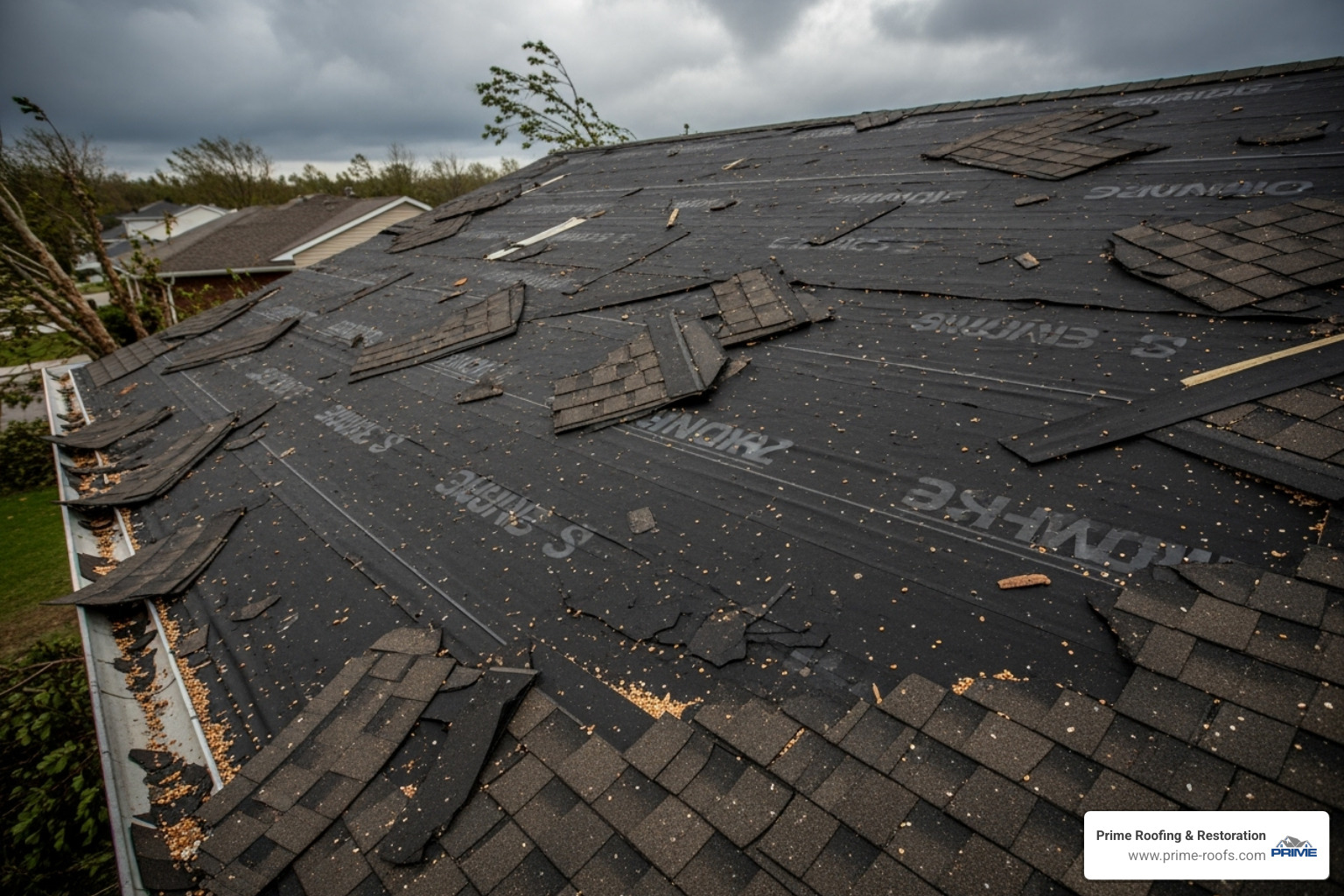
A roofing emergency is any situation where your roof’s structural integrity is compromised, putting your home, family, or belongings at immediate risk from the elements. It’s a critical failure of your home’s primary defense system. When your roof can no longer perform its fundamental job of keeping the outside out, you need emergency roofing orange beach al services without delay. Recognizing the specific signs of a true emergency can help you act quickly and save thousands of dollars in subsequent repairs.
Common Signs of Severe Roof Damage
- Missing or Damaged Shingles: After a high-wind event, look for shingles in your yard or notice bare patches on your roof. Shingles are more than just decoration; their granules protect the underlying asphalt from UV degradation, and the asphalt itself provides the waterproof layer. When shingles are torn, curled, or missing entirely, the roof’s underlayment is exposed to direct sun and rain. In Orange Beach, where we get over 60 inches of rain annually and intense UV rays, this exposure can cause the underlayment to deteriorate rapidly, leading to leaks.
- Active Leaks or Dripping Water: This is the most urgent and obvious red flag. A single drip might seem minor, but it’s evidence of a failure somewhere in the roofing system. In our coastal climate, a small leak can quickly escalate during a heavy downpour. It’s also important to note that the source of the leak on the roof is often located far from where the drip appears inside, as water can travel along rafters and decking before finding a place to emerge.
- Water Stains on Ceilings or Walls: Don’t ignore new or growing discoloration on your interior surfaces. Yellow or brown stains are classic indicators of water intrusion. The size and color can offer clues; a small, light-colored stain might be new, while a large, dark-ringed stain suggests a long-term problem that has allowed minerals to accumulate. In Orange Beach’s high humidity, these damp areas are prime real estate for mold and mildew, which can cause serious respiratory issues.
- Sagging Roof Deck: A drooping, bowing, or sagging roofline is a dire warning sign of a potential structural failure. This is often caused by prolonged water absorption into the roof decking (the plywood or OSB sheathing), causing it to become heavy, waterlogged, and lose its structural integrity. This is a severe safety hazard that requires immediate professional assessment.
- Punctures or Holes in the Roof: Large debris, such as falling tree limbs during a storm, can create obvious holes in your roof. However, even smaller impacts from hail can fracture shingles and create direct paths for water to enter. Hail is a leading cause of emergency roof repairs, and even a small, unnoticed puncture can lead to significant water damage over time.
- Damaged or Missing Flashing: Flashing consists of thin pieces of metal installed to direct water away from the most vulnerable parts of a roof, such as chimneys, vents, skylights, and valleys. If this metal barrier is rusted, bent, or has come loose, it creates a superhighway for water to get into your home. Flashing failures are one of the most common sources of roof leaks.
How Orange Beach’s Climate Increases Risk
Our beautiful coastal paradise presents a unique combination of weather challenges that make roofing emergencies more likely and far more urgent than in other regions.
- Wind-Driven Rain: It’s not just the amount of rain, but the force behind it. Strong coastal gusts, common during thunderstorms and hurricanes, can force water into tiny cracks and even drive it uphill under the edges of shingles—areas that would otherwise remain perfectly dry in a normal rain shower.
- Storm Surge and Hurricane Force: The sheer power of hurricane-force winds can lift and peel back entire sections of a roof. The associated storm surge can weaken the lower levels of a home, indirectly compromising the entire structure, including its roof attachments.
- High Humidity and Moisture: The pervasive humidity in our air means that once materials get wet, they stay wet for a long time. This constant moisture accelerates the growth of algae and mold and speeds up the natural decay of organic roofing materials like wood decking, making them more susceptible to damage in a storm.
- Salt Air Corrosion: The salty ocean breeze that we love carries corrosive salt particles that settle on your roof. This salt accelerates the rusting and degradation of metal components, especially flashing, fasteners, and gutters, leading to premature failures.
- Intense UV Exposure: The relentless sun on the Gulf Coast beats down on roofs, causing the oils in asphalt shingles to dry out over time. This makes them brittle, prone to cracking, and much more likely to be blown off during a high-wind event.
The combination of these factors creates a perfect storm of challenges. When damage occurs here, it often happens fast and with severe consequences, making immediate access to reliable emergency roofing orange beach al services an absolute necessity for any homeowner.
Reference: National Oceanic and Atmospheric Administration (NOAA) Hurricane Center
Your Immediate Action Plan After Finding Roof Damage
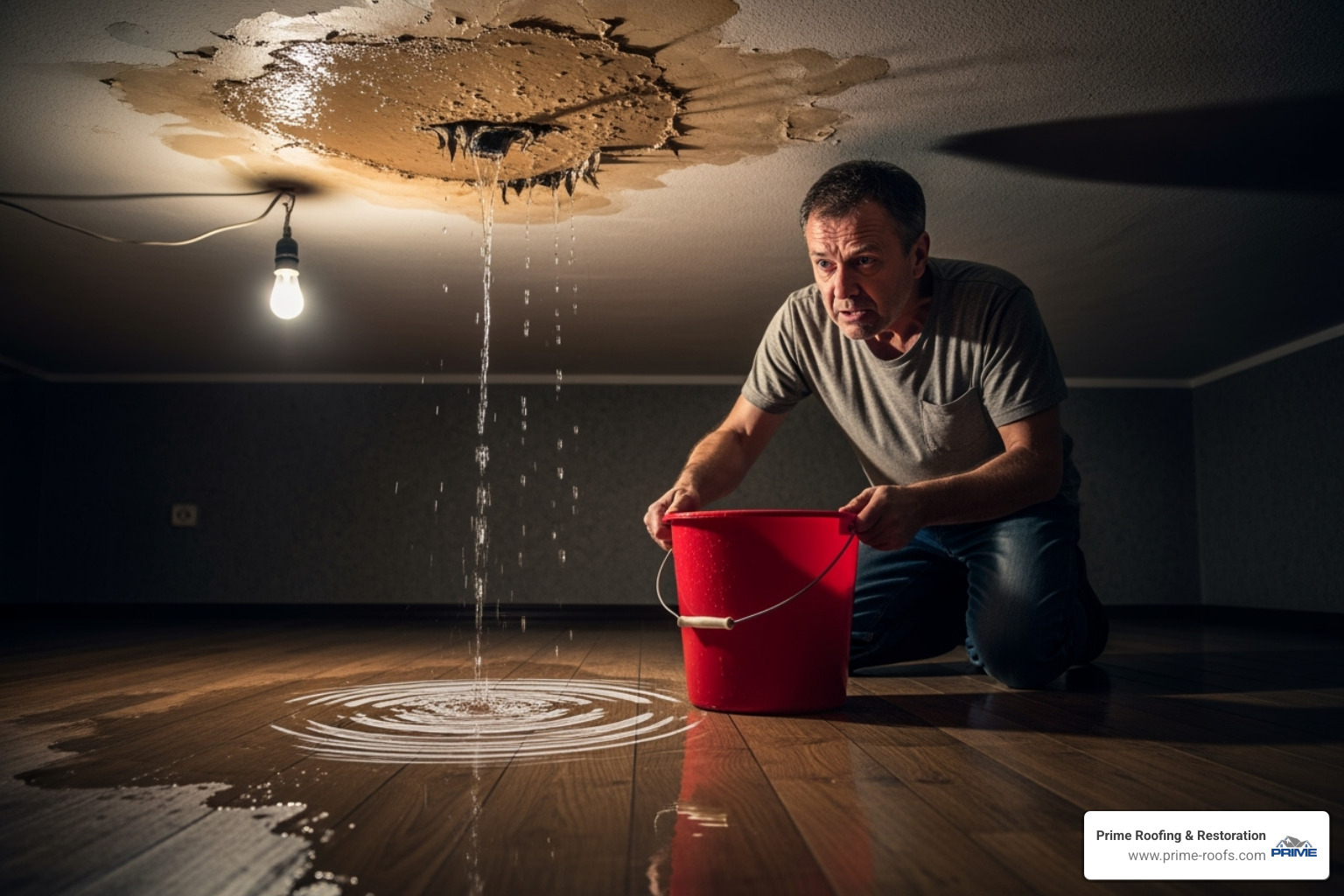
Discovering that your roof has been damaged is a stressful and overwhelming experience. However, taking the right steps in the immediate aftermath can prevent a small problem from escalating into a full-blown household disaster. When you need an emergency roofing orange beach al response, the process begins with your quick and calm actions. Follow this step-by-step guide to navigate the initial crisis.
Step 1: Ensure Your Family’s Safety
Before you worry about your property, your family’s safety is the absolute top priority. A damaged roof can create numerous hidden and immediate dangers.
- Turn off electricity: If water is leaking near electrical outlets, light fixtures, or anything plugged in, go to your breaker box and shut off the power to that section of your home. Water and electricity are a lethal combination, posing a serious risk of electrocution and fire.
- Evacuate if necessary: If you hear loud creaking, groaning, or popping sounds, or if you see the ceiling beginning to bulge or sag significantly, these are signs of a potential collapse. Do not hesitate. Evacuate everyone from the home immediately and call 911 or your local emergency services. Your property is not worth risking your life.
- Never climb on a damaged roof: It is extremely dangerous to climb on a roof that is wet, covered in debris, or structurally compromised. It can be incredibly slippery, and the decking may no longer be able to support your weight. Leave the inspection to trained and properly equipped professionals.
- Create a safe zone: Use chairs or rope to block off the affected areas inside your home. This is especially important to keep curious children and pets away from falling debris, slippery floors, and other hazards.
Step 2: Control the Damage Inside Your Home
Once you have confirmed that everyone is safe, your next focus should be on damage control to protect your home’s interior and your belongings until professional help arrives.
- Use buckets and containers: Place buckets, trash cans, or any waterproof container directly under active leaks to catch the water. If a leak is spread out, you can use a string tacked to the ceiling to guide the water into a single bucket.
- Move valuables: Systematically move valuable and water-sensitive items like electronics, furniture, photos, and important documents to a completely dry and safe area of your home.
- Cover heavy items: For large, heavy items that cannot be moved, such as pianos or large furniture, cover them completely with thick plastic sheeting or tarps to protect them from water damage.
- Begin the drying process: Use old towels, mops, or a wet/dry vacuum to soak up any standing water on your floors. In Orange Beach’s humid climate, mold can begin to grow in as little as 24-48 hours. If it is safe to use electricity in the area, setting up fans and a dehumidifier can help accelerate drying and prevent mold growth, which can cause significant health problems and costly remediation.
Step 3: Document Everything for Your Insurance Claim
Thorough and immediate documentation is absolutely crucial for a successful and smooth insurance claim. As a company that helps homeowners with this process daily, we cannot overstate the importance of this step.
- Take extensive photos and videos: Before you clean up or make any repairs, use your phone to document everything. Take wide shots of the rooms to show the scale of the damage, and then take detailed close-ups of the leaks, water stains on ceilings and walls, damaged belongings, and puddles on the floor. If you can safely see the roof damage from the ground, photograph that as well.
- Create a log: Write down the date and time you first noticed the damage, and note the time the storm or event that caused it occurred. Keep a running list of all the actions you take.
- Save all receipts: Keep every receipt for any emergency supplies you purchase, such as tarps, buckets, or plastic sheeting. Your insurance policy may reimburse you for these reasonable costs incurred to mitigate further damage.
- Avoid permanent repairs: While temporary measures like tarping are encouraged by insurers, do not perform any permanent repairs before the insurance adjuster has had a chance to inspect the damage. Doing so could jeopardize your claim.
Once you’ve taken these critical initial steps, your next call should be to a professional. You don’t have to handle this crisis alone.
Prime Roofing & Restoration
25299 Canal Rd suite b-7, Orange Beach, AL 36561
Finding a Reputable Contractor for Emergency Roofing in Orange Beach, AL
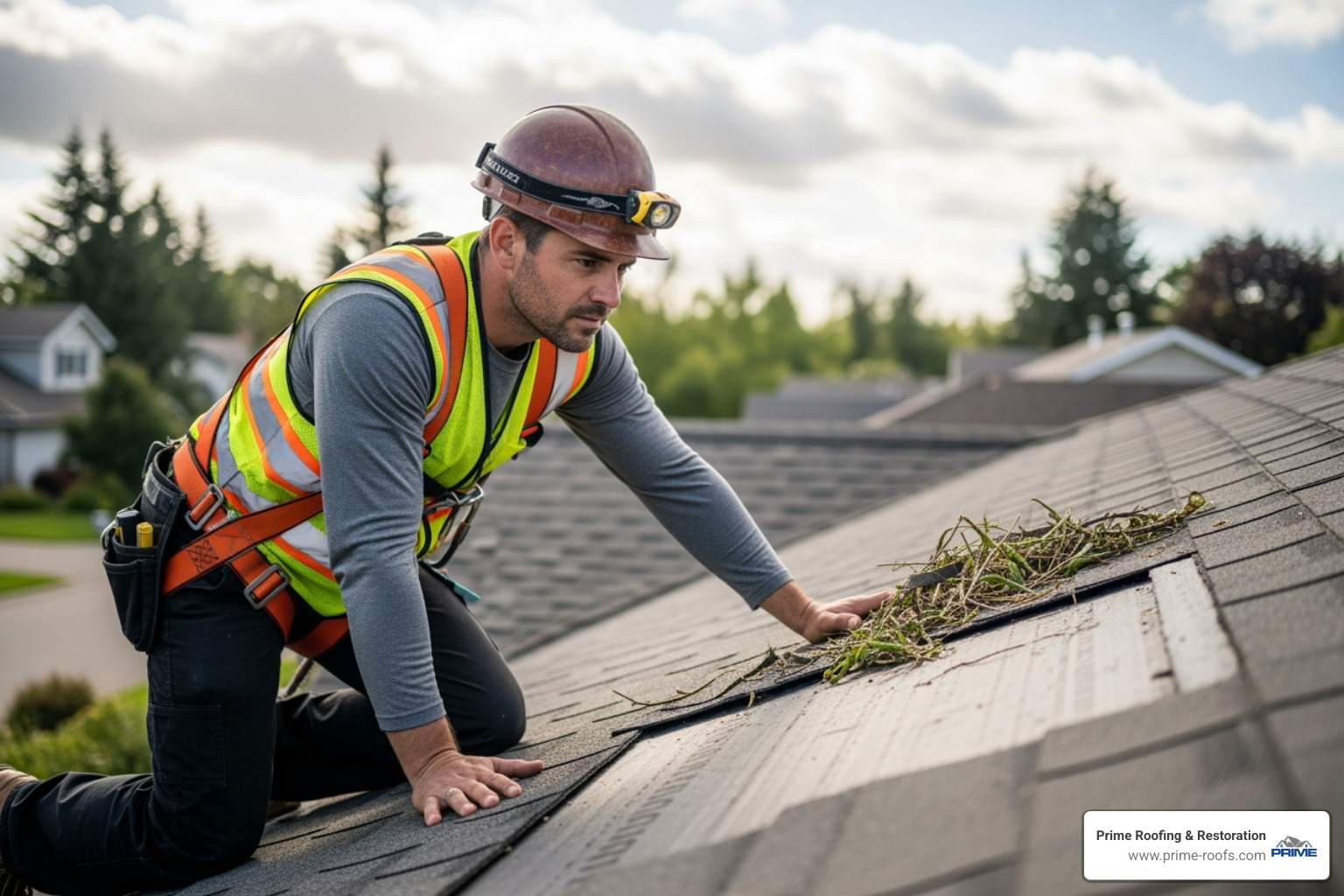
When your roof is damaged and water is entering your home, the pressure to hire someone—anyone—is immense. However, choosing the right contractor is just as critical as the repair itself. In the chaotic aftermath of a storm, our area is often flooded with out-of-state “storm chasers” who prey on desperate homeowners. Making a hasty, uninformed decision can lead to shoddy workmanship, voided warranties, and future legal headaches. Here’s how to find a trustworthy emergency roofing orange beach al professional who will be there for you long after the storm has passed.
How to Identify a Trustworthy Local Roofer
- Licensed and Insured in Alabama: This is non-negotiable. Ask for a copy of their Alabama Home Builders License and proof of both general liability insurance and workers’ compensation. You can verify their license status on the Alabama Home Builders Licensure Board website. Without proper insurance, you could be held liable for any accidents that occur on your property.
- Local Physical Address: A reputable contractor will have a permanent, physical office in Orange Beach or the surrounding Baldwin County area. This demonstrates their commitment to the local community and ensures they are accountable. Be wary of anyone using a P.O. box or an out-of-state address. A local roofer understands our specific building codes, permitting processes, and the unique challenges of our coastal climate.
- Positive Online Reviews and Reputation: Check their reviews on Google, the Better Business Bureau (BBB), and social media platforms. Don’t just look at the star rating; read the actual comments to see how they handle communication, project management, and any customer concerns that arise.
- Coastal and Hurricane Experience: The roofer you choose must have extensive experience with storm damage in high-wind hurricane zones. Ask them specific questions about their process for hurricane damage assessment and how they work with insurance companies on storm-related claims.
- Manufacturer Certifications: Top-tier roofers often hold certifications from major manufacturers like GAF (Master Elite) or Owens Corning (Platinum Preferred). These certifications are earned, not bought, and require the contractor to meet stringent standards for quality, training, and customer satisfaction. This is a strong indicator of their expertise.
- Provides Local References: A confident, established contractor will be happy to provide you with a list of recent local customers. Take the time to call a few references and ask about their overall experience, the quality of the work, and whether the project was completed on time and on budget.
What to Look for in an Emergency Roofing Contract
Never proceed with work based on a verbal agreement or a simple handshake, especially in an emergency. A detailed, written contract is your primary legal protection.
- Detailed Scope of Work: The contract must clearly and specifically outline all the work to be performed. This should include not just the final repairs but also temporary measures like tarping. It should detail the tear-off of old materials, replacement of any damaged decking, installation of underlayment, ice and water shield in valleys and eaves, starter strips, the specific type of shingles or metal panels, ridge cap, ventilation systems, all flashing work, and a commitment to thorough cleanup.
- Material and Warranty Information: The contract must specify the exact brand, type, and color of materials to be used. It should also provide clear details on both the manufacturer’s warranty for the materials and the contractor’s own warranty on their labor.
- Clear Payment Schedule: Be extremely cautious of any contractor who demands a large upfront payment or asks for the full amount before the work begins. A small deposit for materials (typically 10-30%) is standard, with the final balance due only after the work is completed to your satisfaction and has passed any required inspections.
- Proof of Insurance and Licensing: The contract should include the contractor’s license number and a statement confirming they carry all necessary insurance. It’s wise to have them provide you with a certificate of insurance directly from their insurance provider.
When you need fast, professional emergency roofing services in Orange Beach, AL, a comprehensive contract is the foundation of a successful project.
Navigating Insurance Claims for Emergency Roofing in Orange Beach, AL
- Contact Your Agent Promptly: Report the damage to your insurance agent or company as soon as possible, ideally within 24-48 hours. This starts the official claims process.
- Meet the Adjuster with Your Contractor: It is highly beneficial to have your chosen contractor present when the insurance adjuster inspects your roof. An experienced roofer can point out subtle or hidden damage that the adjuster might otherwise miss, ensuring a more accurate and comprehensive assessment for your claim.
- Understand Your Policy (RCV vs. ACV): It’s crucial to know if your policy provides Replacement Cost Value (RCV) or Actual Cash Value (ACV). RCV covers the full cost of replacing the damaged roof with new materials. ACV only pays for the value of your old roof, factoring in depreciation, which will leave you with significant out-of-pocket expenses. Your contractor can help you understand your policy’s implications.
- Get Documentation Support: Your contractor should provide a highly detailed estimate, complete with photos and measurements, formatted in a way that insurance companies understand. They can also help you navigate the paperwork and communicate with the adjuster about necessary supplements if additional damage is found after work begins.
For local support during claims or repairs, our team is here to help. Reach our Orange Beach office by calling (251) 210-2671.
Understanding Emergency Roofing Services and Costs
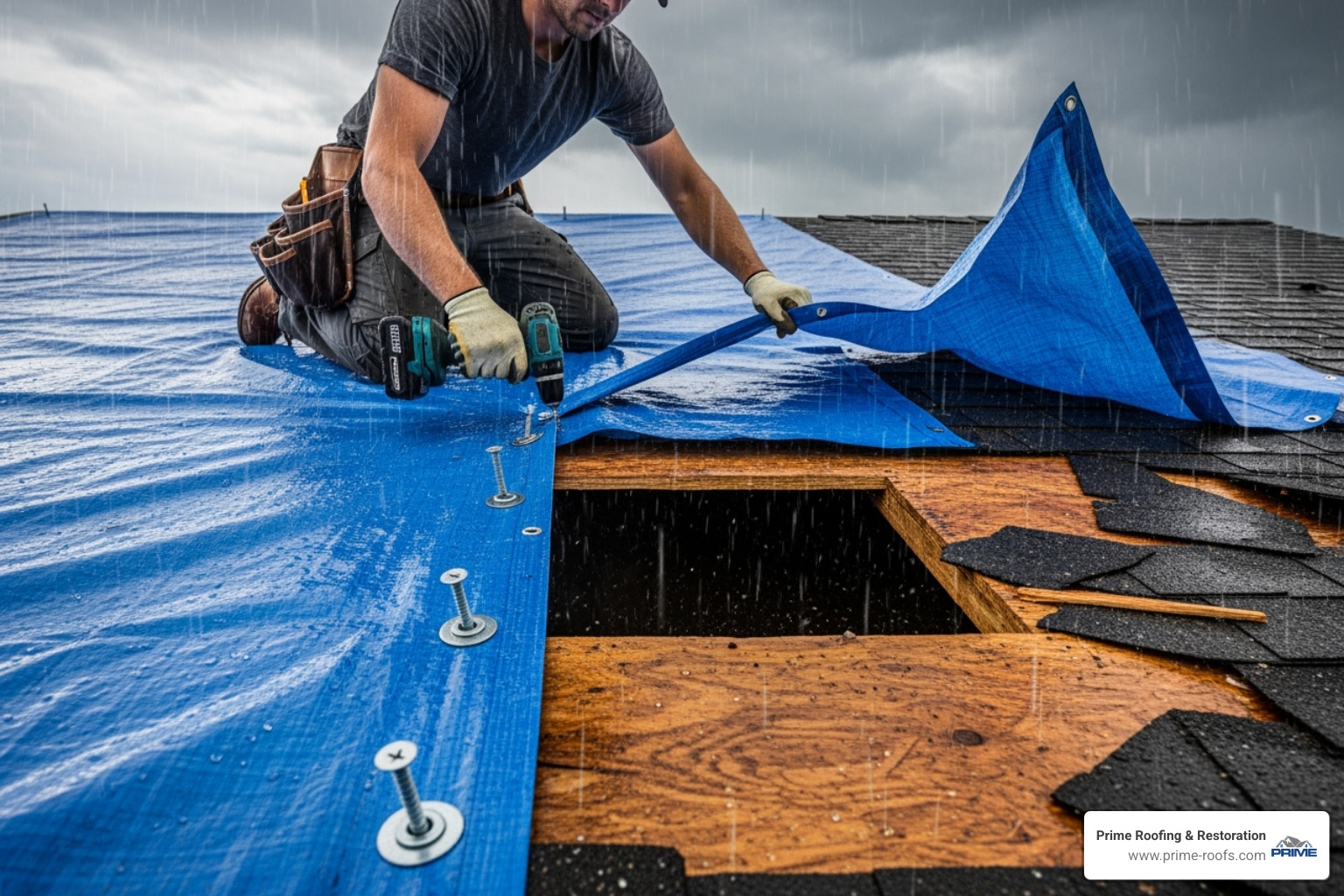
When you’re faced with a damaged roof, understanding exactly what emergency roofing orange beach al services entail—and the factors that influence their cost—can help you make clear, informed decisions during a stressful time. These services are not permanent fixes but are strategic, immediate interventions designed to stop the bleeding, protect your home from further harm, and buy you the necessary time to plan for a comprehensive, permanent solution.
Common Emergency Roofing Services
- Emergency Tarping: This is the most common and critical first line of defense. A professional crew doesn’t just throw a blue tarp over the hole. They use heavy-duty, weather-resistant tarps that are carefully cut and fitted to the damaged area. Crucially, they secure the tarp using wood battens (or furring strips) and screws, which anchor it firmly to the roof deck without causing additional damage. This method prevents the wind from getting underneath and ripping the tarp off, ensuring it stays in place until permanent repairs can be made.
- Leak Stoppage and Water Mitigation: For smaller, more localized leaks, a roofer may be able to implement a more targeted temporary fix. This involves identifying the precise source of the water intrusion and using professional-grade materials like roofing cement, specialized sealants, or temporary patches to block the flow of water. This is often done in conjunction with tarping to provide maximum protection.
- Debris Removal: If a storm has left a large tree limb or other significant debris on your roof, it poses an immediate risk. The weight can cause further structural damage, and its position may be preventing a proper temporary repair. An emergency crew will safely cut up and remove this debris from the roof and your property.
- Temporary Patching: For certain types of roof damage, such as punctures in a flat roof or specific issues with flashing, a temporary patch using professional-grade membranes and sealants can provide a reliable, short-term fix that is more robust than a simple tarp.
- Full Storm Damage Roof Repair Assessment: A key part of any emergency call-out is a thorough assessment. The technician will not only address the obvious leak but will also inspect the entire roof system to identify any other related or potential issues, providing you with a complete picture of your roof’s health and a detailed estimate for the necessary permanent repairs.
What Influences the Cost of Repairs?
The cost of emergency roofing orange beach al services can vary widely based on several key factors:
- Extent and Type of Damage: The size of the area that needs to be tarped or repaired is the biggest cost driver. A temporary patch for a few missing shingles might cost $300-$500, whereas securing a large section of the roof damaged by a fallen tree could be $2,000-$5,000 or more.
- Roof Material and Design: The type of roof you have significantly impacts the cost. Asphalt shingles are generally the most common and affordable to repair. More complex materials like standing seam metal, Spanish tile, or slate require specialized knowledge, tools, and materials, increasing the labor cost. The roof’s design also plays a role; a steep, high-pitched roof or one with many gables and valleys is more difficult and dangerous to work on, which is reflected in the price.
- Accessibility: If your roof is difficult to access (e.g., a three-story home, or a property with dense landscaping), it may require special equipment like lifts or extra safety rigging, which will add to the overall cost.
- Emergency Rates: The urgency of the service affects the price. Calling for immediate, after-hours, weekend, or holiday service will naturally come at a premium compared to a scheduled repair. These emergency rates cover the higher costs of mobilizing a crew on short notice and paying overtime wages. In Alabama, a basic emergency call-out and tarping service typically starts around $300-$500 and can go up to $1,500 or more depending on the factors above.
While emergency services have a cost, it’s crucial to remember that this investment is almost always significantly less than the cost of repairing extensive water damage, mold remediation, and structural rot that results from a delayed response.
Proactive Protection: Preparing Your Roof for Severe Weather
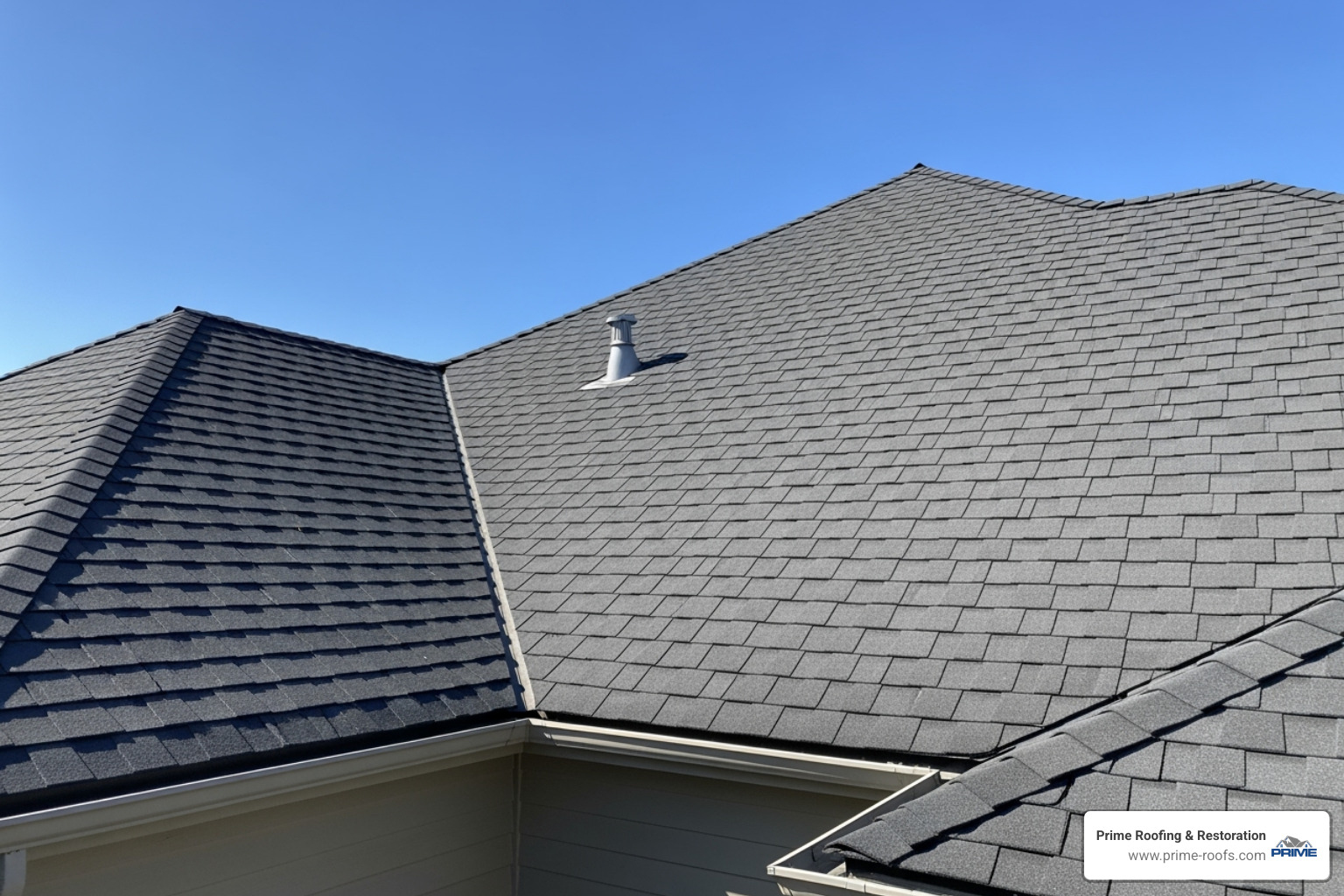
While our team is always ready to respond to emergency roofing orange beach al situations 24/7, we believe the best emergency is the one that never happens. Proactive maintenance and strategic strengthening are the keys to ensuring your roof can withstand the severe weather challenges of Orange Beach, from the intense summer sun and torrential rains to the destructive force of hurricane winds. Investing in your roof’s health now can save you from immense stress and expense later.
Annual Maintenance to Prevent Emergencies
Most catastrophic roof failures don’t happen overnight; they are the result of small, neglected issues that worsen over time. A regular maintenance schedule can catch these problems when they are minor and easy to fix. Consider this a seasonal health check-up for your roof:
- Post-Winter/Early Spring Inspection: After the cooler months, have a professional inspect for any damage that may have occurred. This includes checking for loose or damaged shingles, examining sealant around pipes and vents for cracks, and ensuring flashing is still secure. This is also a great time to clean out gutters filled with winter debris.
- Summer Heat Check: The intense Alabama sun can bake asphalt shingles, causing them to become brittle. Ensure your attic ventilation is working properly. Good airflow helps regulate attic temperatures, which not only lowers your energy bills but also extends the life of your shingles by preventing them from overheating.
- Pre-Hurricane Season Prep (Late Spring/Early Summer): This is the most critical time for a professional inspection in our area. A roofer can identify and address vulnerabilities before the storm season peaks. This includes securing any loose shingles, checking the integrity of flashing, and ensuring the roof is ready for high winds.
- Fall Cleanup and Inspection: As leaves fall, it’s essential to clean your gutters and downspouts. Clogged gutters cause water to back up and pool on the roof’s edge, where it can seep under shingles and rot the fascia board and roof decking. The weight of wet, clogged gutters can also cause them to pull away from the house.
- Trim Overhanging Tree Limbs: This is a simple yet highly effective preventative measure. In high winds, branches can scrape against your roof, wearing away the protective granules on your shingles. In a severe storm, a heavy limb can fall and puncture your roof deck. Keep all branches trimmed back several feet from your roofline.
Strengthening Your Roof Against Hurricanes
Living in Orange Beach means preparing for the possibility of hurricanes is not optional. By making strategic upgrades, you can transform your roof from a potential liability into a formidable shield for your home.
- Impact-Resistant Shingles: Often called Class 4 shingles, this “armor” for your roof is specifically designed and tested to withstand impacts from hail and flying debris during severe storms. While they cost more upfront, they can prevent a total roof replacement after a hailstorm.
- Hurricane Straps and Clips: During a hurricane, immense pressure differences can cause the entire roof structure to lift off the walls. Hurricane straps are strong metal connectors that reinforce the bond between your roof trusses and the walls of your home, making it far more resistant to wind uplift.
- The FORTIFIED Roof Program: This is the gold standard for resilient construction in our coastal region. Developed by the Insurance Institute for Business & Home Safety (IBHS), the FORTIFIED Roof standard goes far beyond standard building codes to create a stronger, more integrated roofing system. Key requirements include:
- Stronger Roof Deck Attachment: Using ring-shank nails in a tighter pattern to better hold the decking to the roof structure.
- Sealed Roof Deck: Taping all the seams of the roof decking with a special flashing tape. This creates a secondary water barrier, so even if the shingles are blown off, your home stays dry inside.
- Locked-Down Roof Edges: Installing a stronger, more robust drip edge that is properly fastened to prevent wind from getting under the edge of the roof covering.
- Impact-Rated Shingles: Meeting the high standards for impact resistance.
Upgrading to a FORTIFIED Roof is a significant investment, but it provides unparalleled protection. Furthermore, many insurance companies in Alabama offer substantial discounts on homeowner’s insurance premiums for homes with a certified FORTIFIED Roof, making it a wise financial decision in the long run.
Your Local 24/7 Emergency Roofing Partner
When a storm tears through Orange Beach, and you find yourself with a damaged roof, you can’t afford to wait for regular business hours. An emergency roofing orange beach al situation demands an immediate, decisive, and expert response, and that is the core promise of Prime Roofing & Restoration.
For over five years, we have proudly served homeowners all along Alabama’s beautiful Gulf Coast. We are not just a company that works here; we are part of this community. We’ve seen firsthand how quickly a small roof leak can escalate into a major disaster in our unique coastal environment. Our business was founded on the principle of being there when our neighbors need us most—day or night, rain or shine. We are committed to building lasting relationships through superior workmanship, transparent communication, and genuine care for the families and homes we protect. We don’t just patch a hole and leave; we provide comprehensive solutions and peace of mind, ensuring your home is secure for years to come.
Our licensed and insured experts are masters of their craft, with deep knowledge of Orange Beach’s specific challenges, from navigating complex building codes to selecting materials that can withstand hurricane-force winds and corrosive salt air. We use only high-quality materials specifically designed for our coastal climate and guide you personally through every step of the process, from the initial emergency call to the final inspection, including the often-confusing insurance claims process.
What to Expect When You Call Us for an Emergency
- Immediate Response: Your call will be answered by a knowledgeable professional who will listen to your situation and gather critical information.
- Rapid Dispatch: We will immediately dispatch an emergency response team to your location.
- On-Site Assessment & Mitigation: Our experts will quickly assess the damage, ensure the area is safe, and perform immediate temporary repairs, such as professional tarping, to prevent any further water intrusion.
- Detailed Reporting: We will provide you with a thorough report of our findings, complete with photos and a detailed estimate for the permanent repairs needed.
- Insurance Claim Assistance: We will work directly with your insurance company, providing them with the documentation they need to process your claim efficiently and fairly.
Get Immediate Help for Emergency Roofing in Orange Beach, AL
Don’t let roof damage compromise the safety and value of your home. When you need a fast, professional response and repairs you can trust, our team is on standby. We act quickly to protect your home and family and will serve as your advocate with your insurance company to make the claims process as smooth and stress-free as possible. For immediate assistance with emergency roofing orange beach al, contact us now.
Call Prime Roofing & Restoration 24/7 at (251) 210-2671