
Why the Best Roof Pitch for Snow Is the Most Important Decision You’ll Make for Your Home
When homeowners think about their roof, they often focus on the color of the shingles or the curb appeal of the material. However, in regions that experience winter weather, the most critical design element is actually the slope. The best roof pitch for snow is a 6/12 slope or steeper — this is the angle most recommended by roofing professionals and building engineers for homes in heavy snow regions. This specific angle provides the optimal balance between structural stability and the ability to shed heavy accumulation before it becomes a hazard.
| Roof Pitch | Snow Suitability | Best For |
|---|---|---|
| 2/12 | Poor | Flat/low-slope only with special waterproofing |
| 4/12 | Moderate | Light snow areas, minimum for asphalt shingles |
| 6/12 | Good | Most snowy climates, optimal balance |
| 8/12+ | Excellent | Heavy snow regions, fastest shedding |
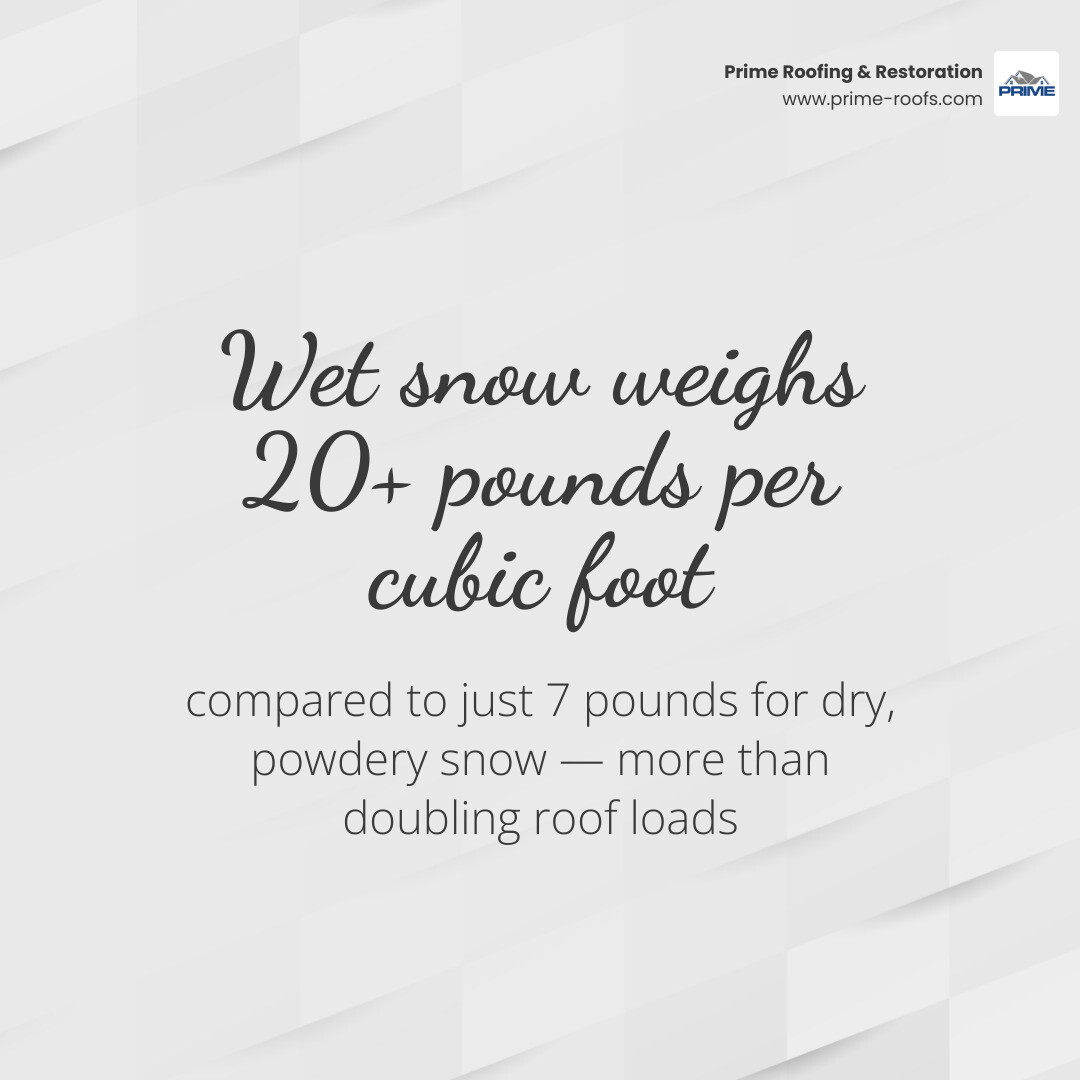
Snow is significantly heavier than most homeowners expect, and its weight changes based on moisture content. Fresh, powdery snow might weigh only 7 pounds per cubic foot, but heavy wet snow can weigh over 20 pounds per cubic foot. If you have one foot of that heavy snow sitting on a 2,000 sq ft roof, you are looking at roughly 40,000 pounds of stress pressing down on your home’s structure. That’s not a minor concern — it’s a structural safety issue that can lead to cracked rafters, sagging ceilings, or even total collapse.
If you are looking for reliable roofing services in Alabaster, understanding how slope affects snow load is the critical first step in protecting your property. A steeper slope sheds snow naturally through the force of gravity, preventing dangerous weight from building up in the first place. If you’re planning a new build or considering a professional roof replacement, understanding slope is vital to the longevity of your investment.
I’m Bill Spencer, Owner and President of Prime Roofing & Restoration. With over five years leading roofing projects across Alabama — including metal, asphalt, and flat roof systems — I’ve seen how the best roof pitch for snow directly determines whether a roof survives a harsh winter or fails under the load. In the sections ahead, I’ll walk you through the physics of snow shedding, the impact of different materials, and how to ensure your home is built to withstand the elements. If you need immediate assistance, you can reach our team at 205-555-0123.
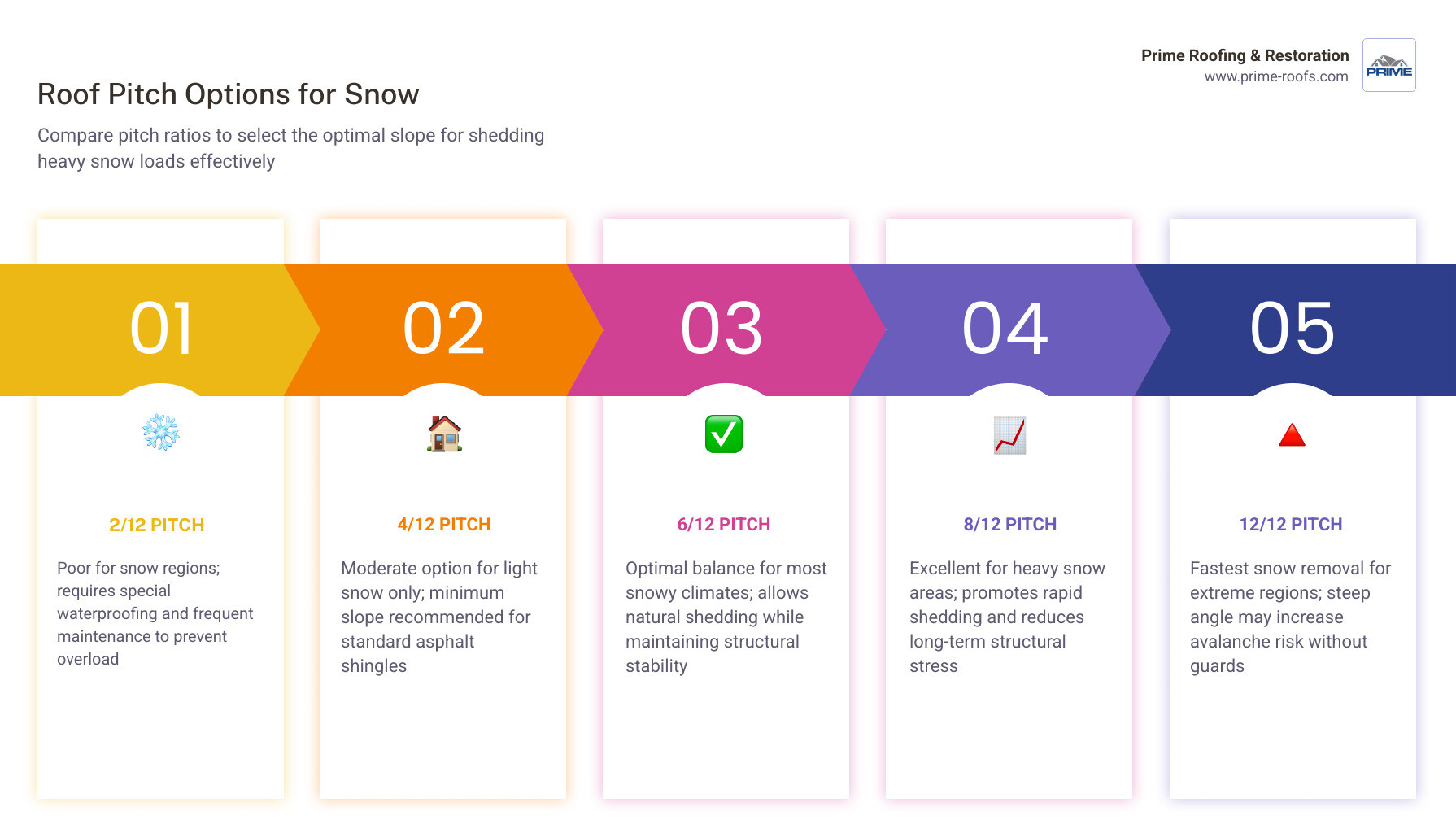
Determining the Best Roof Pitch for Snow Load Management
When we talk about Roof Pitch, we are referring to the rise-to-run ratio. This is a measurement of how many inches the roof rises vertically for every 12 inches it runs horizontally. For example, a 6/12 pitch rises 6 inches for every foot of horizontal distance. This ratio is the fundamental building block of roof design, influencing everything from the type of underlayment required to the speed at which water and snow exit the surface.
Why does this measurement matter so much in May 2026? Because it dictates the static load your home must carry. Static load refers to the weight that stays on the roof for an extended period. Fresh, light snow might only weigh 7 pounds per cubic foot, but as it settles, compresses, or gets rained on, it becomes what mountain residents call “Sierra Cement”—heavy, wet snow that exceeds 20 pounds per cubic foot. On a low-slope roof, this weight sits indefinitely, pressing down on your rafters and trusses. On a steeper pitch, gravity becomes your best friend, encouraging that weight to slide off before it can compromise your home’s structural integrity.
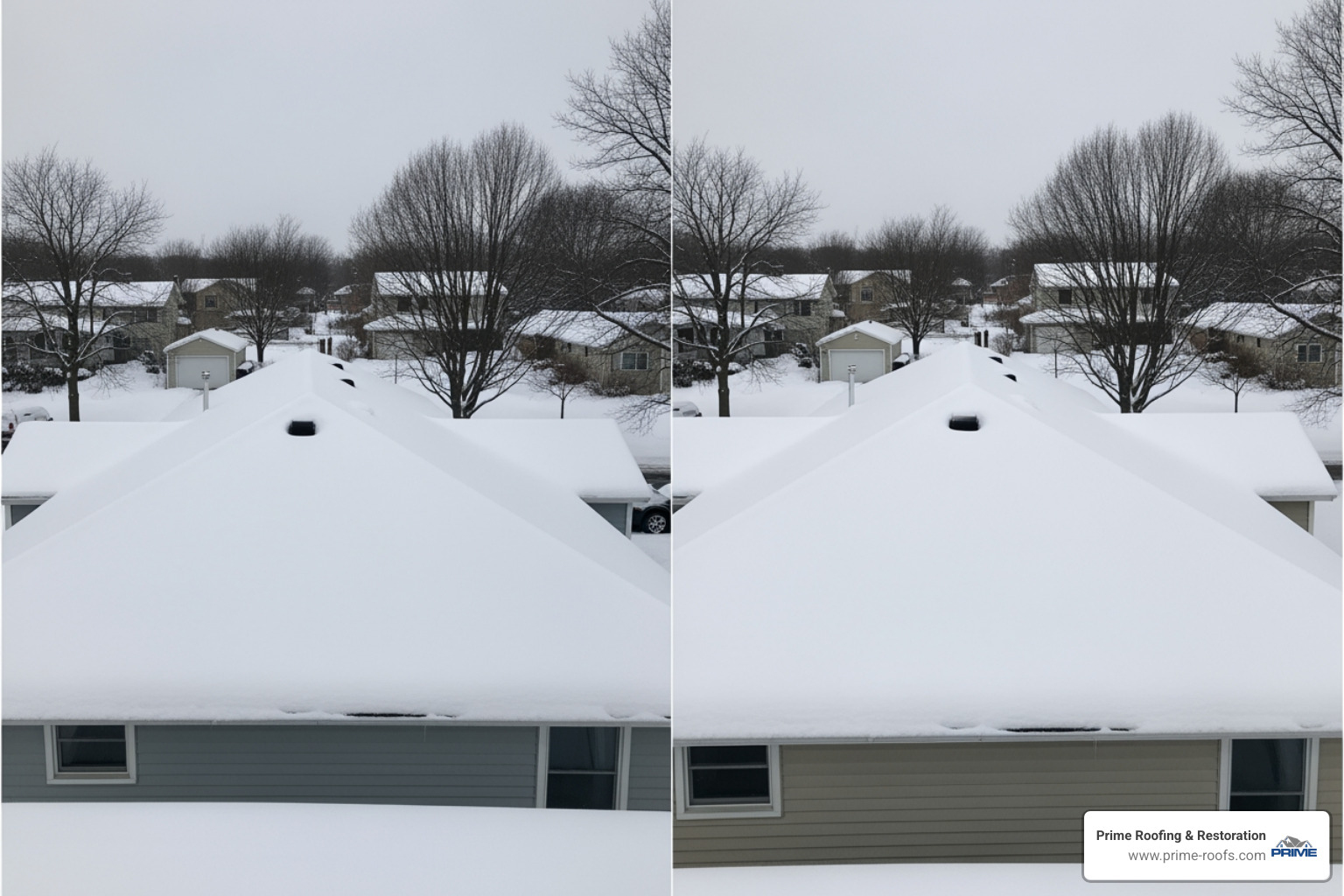
The Best Roof Pitch for Snow Shedding in Heavy Snow Regions
For homeowners in regions that see consistent, heavy snowfall, a 6/12 to 12/12 pitch is the gold standard. A 12/12 pitch sits at a perfect 45-degree angle, making it nearly impossible for snow to maintain a grip on the surface. According to experts at HelpWithDIY, these steeper pitches serve as a functional necessity rather than just an architectural style. They allow for natural shedding, which means you won’t have to worry about manually raking your roof after every flurry, a task that is both dangerous and physically demanding.
Furthermore, a steeper pitch increases the volume of the attic space. While this might seem like a minor detail, a larger attic volume can actually help with thermal regulation. When properly ventilated, a larger attic prevents the roof deck from becoming too warm, which is a primary cause of snow melting and refreezing into ice dams. By choosing a pitch in the 6/12 to 9/12 range, you are optimizing the roof for both weight management and thermal efficiency.
Minimum Requirements for the Best Roof Pitch for Snow
If you aren’t in a “blizzard zone” but still see occasional heavy accumulation, the absolute minimum you should consider is a 4/12 pitch. At this angle, a roof can typically hold between 20-40 lbs per square foot of snow, depending on the moisture content and the spacing of the underlying rafters. However, once you dip below this threshold, the risk of moisture infiltration and structural strain increases significantly.
For a deeper look at these technical requirements, the comprehensive guide from Roof River City highlights that while a 4/12 pitch is functional, it requires much more vigilant maintenance than its steeper counterparts. On a 4/12 pitch, snow is likely to stay put until it melts. This means your roof must be 100% watertight, as the standing snow will create a constant source of moisture that can find even the smallest pinhole in your shingles. If you are unsure of your current roof’s pitch, contact Prime Roofing & Restoration at 205-555-0123 for a professional assessment.
How Roofing Materials Influence Snow Shedding and Safety
Pitch is only half of the equation; the surface material is the other. Imagine trying to slide down a wooden plank versus a sheet of ice—the friction level changes everything. When we perform an expert roof installation, we always consider how the material will interact with the slope to manage snow. The coefficient of friction varies wildly between asphalt, metal, and tile, and this determines how steep your pitch actually needs to be.
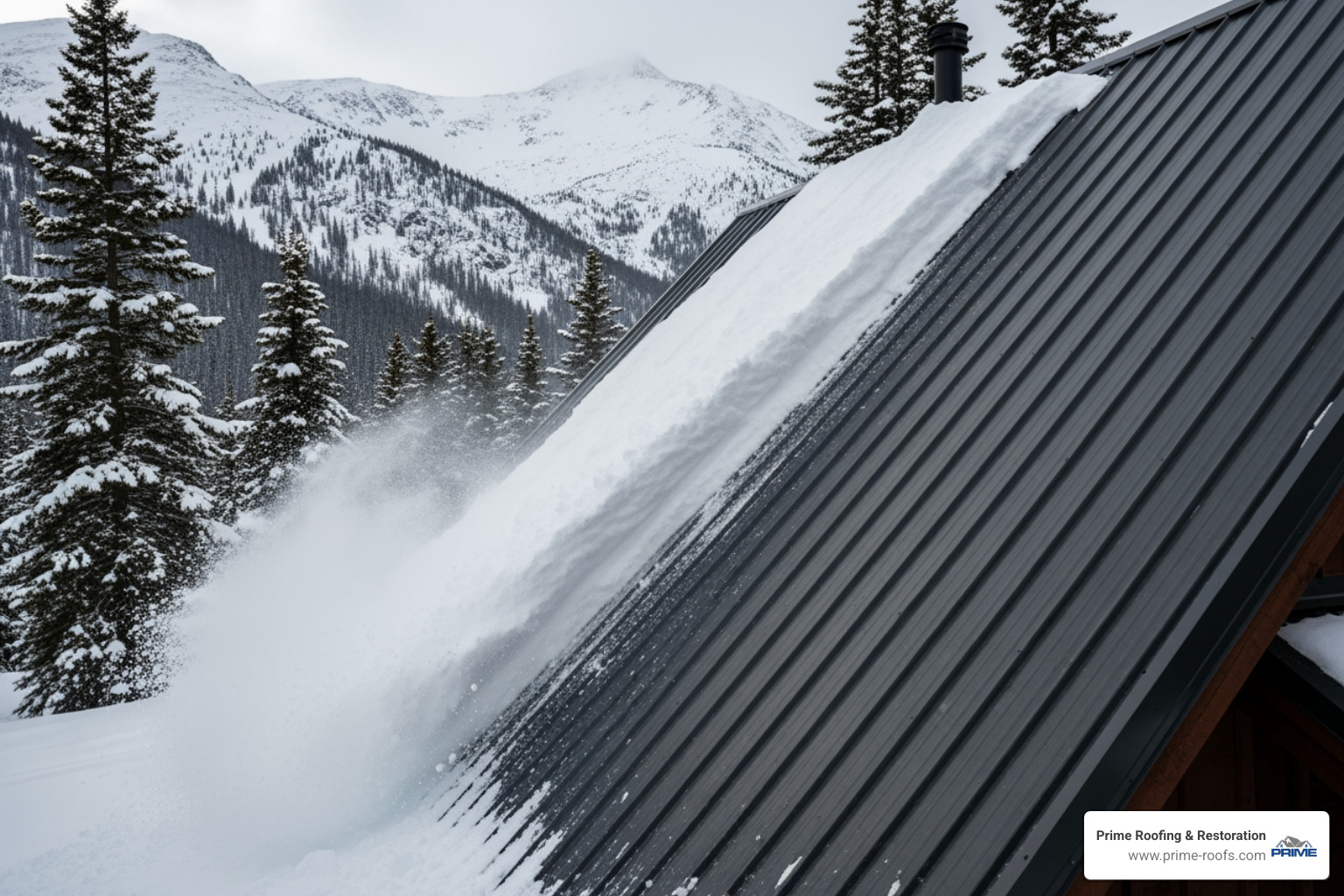
Performance of Metal vs. Asphalt in Snowy Climates
Metal roofing is arguably the king of snowy climates. Because metal is a slick surface and a great conductor of heat, it encourages snow to melt at the contact point and slide off in large sheets. This is why standing seam metal roofs are so popular in mountain regions. However, this “rapid shedding” can be dangerous. A large sheet of snow sliding off a roof can weigh hundreds of pounds and move with surprising velocity. This often requires the installation of snow guards or snow rails to prevent a “roof avalanche” from crushing landscaping, damaging gutters, or blocking entrances.
Asphalt shingles, on the other hand, rely on friction. The granules that protect the shingle from UV rays also act like sandpaper, holding snow in place. This isn’t necessarily a bad thing—it prevents dangerous slides and allows the snow to act as a temporary layer of insulation. However, it means an asphalt roof must be strong enough to carry the weight for longer periods. If you’re wondering how often do roofs need to be replaced, the weight of held snow can accelerate the aging of asphalt shingles by stressing the fiberglass mat and causing granule loss if the pitch isn’t steep enough to encourage eventual drainage.
The Role of Synthetic Shakes and Slate
For those who want the look of wood or stone without the heavy maintenance, synthetic shakes are a game-changer. Products like those discussed by CEDUR offer Class 4 impact resistance (great for hail) and a Class A fire rating. When installed on a 6/12 minimum pitch with heavy-duty fasteners, synthetic shakes provide the aesthetic of a luxury home with the durability of a fortress. They have a smoother surface than asphalt but more texture than metal, providing a middle ground for snow shedding.
Real slate is also excellent for snow due to its natural density and shedding ability. Slate is naturally cold and sheds water almost instantly. However, slate is incredibly heavy on its own. When you add the weight of a snow load to a slate roof, the structural requirements for the home’s frame skyrocket. If you are considering slate or heavy tile, you must ensure your rafters are engineered for the combined dead load (the roof) and live load (the snow). For a consultation on high-end materials, call us at 205-555-0123.
Preventing Ice Dams and Structural Damage in Snowy Climates
The most common winter roofing “villain” isn’t a sudden collapse—it’s the slow, destructive process of the ice dam. An ice dam occurs when heat escaping from your attic melts the snow on the upper part of the roof. The water runs down to the colder eave, which hangs over the unheated exterior of the house. There, the water refreezes, creating a literal dam of ice that traps subsequent meltwater. This trapped water then backs up under your shingles, through the underlayment, and into your home’s walls and ceilings.
To prevent this, we focus on three critical pillars during a professional roof installation:
- Insulation: Keeping the heat in your living space, not your attic. We recommend a minimum of R-49 to R-60 insulation in attic spaces for snowy climates to ensure the roof deck stays cold.
- Ventilation: Using a combination of soffit vents and ridge vents to create a continuous flow of cool air. This keeps the roof deck at a uniform temperature, preventing the “hot spots” that cause uneven melting.
- Underlayment: Installing a thick, self-adhering ice and water shield. This membrane is waterproof and seals around nail penetrations. In heavy snow areas, this should extend at least 24 inches past the interior wall line to provide a secondary barrier against backed-up water.
Risks of Low-Slope and Flat Roofs
In areas like Alabaster or Hoover, AL, we sometimes see 2/12 pitches or even flat roofs on commercial additions or modern residential designs. These require specialized membrane roofing like TPO (Thermoplastic Polyolefin) or EPDM (Ethylene Propylene Diene Monomer). The primary risk here is ponding water. If snow sits and melts on a flat surface, the weight of the water can cause the roof deck to sag slightly. This creates a “bowl” effect that collects even more water and snow. This cycle of sagging and collecting is a leading cause of structural collapse in flat-roofed buildings. Regular maintenance, including professional snow removal or “roof raking,” is non-negotiable for these designs to ensure the drainage systems (scuppers and drains) remain clear.
Essential Snow Management Systems
If your roof has the best roof pitch for snow (steeper than 6/12), you might actually have too much shedding. This is where snow management systems come in to protect your property and safety:
- Snow Guards: Small, clear or color-matched pegs installed in a staggered pattern to break up snow sheets so they fall in small, harmless pieces.
- Snow Fences: Continuous barricades installed near the eaves to hold snow in place, allowing it to melt slowly rather than sliding off all at once.
- Heat Cables: Zig-zagging electrical wires installed along the eaves and in gutters to create heated drainage paths through ice, preventing dams from forming.
- Gutter Protection: Heavy-duty gutter brackets are essential. Sliding ice can easily rip standard gutters off a house if they aren’t reinforced for the weight.
For local context, homeowners in Northern Alabama should check out the Huntsville snow load guide to see how our regional weather patterns dictate specific equipment needs. Even if we don’t get 100 inches of snow a year, our “heavy wet” snow events can be more damaging than the dry powder found in the Rockies.
Regional Considerations and Building Codes for Snow Loads
Building codes aren’t just bureaucratic red tape; they are safety manuals based on decades of local weather data. The International Building Code (IBC) and ASCE 7 provide the complex formulas we use to ensure your home is safe. These codes take into account the “Ground Snow Load,” which is the weight of snow expected on the ground in a specific area based on a 50-year recurrence interval. In extreme areas like the Sierra Nevada, ground snow loads can reach a staggering 450 lbs per square foot.
While we don’t see those extreme numbers in Alabaster, we still adhere to strict local amendments to ensure every roof replacement we perform can handle our specific “heavy wet” southern snow. Southern snow often falls when temperatures are near freezing, meaning it has a very high water content. This makes it much heavier than the “dry” snow found in colder northern climates.
Architectural Styles Suited for Snow
Certain home designs are naturally “snow-ready” because their geometry assists in weight distribution and shedding:
- Gable Roofs: The classic “A” frame is the best for shedding. With two sloping sides meeting at a ridge, it provides a direct path for snow to slide off.
- Saltbox Design: These homes feature a long, steep back slope that handles wind and snow drifts beautifully, often used in colonial architecture to protect against harsh winters.
- Steep Hip Roofs: These have slopes on all four sides, providing excellent structural stability against wind-driven snow and ensuring that weight is distributed evenly across all exterior walls.
- Simple Rooflines: The fewer valleys, dormers, and chimneys you have, the fewer places there are for snow to “trap” and create leaks. Every valley is a potential collection point for ice and debris.
Calculating Your Specific Snow Load Needs
Engineers use a specific formula to determine if a roof pitch is safe: pf = 0.7 * Ce * Ct * Is * pg. This factors in exposure (Ce), thermal conditions (Ct), importance of the building (Is), and ground snow load (pg). While you don’t need to do the math yourself, it’s important to know that your local Alabaster roofers use these metrics to determine the necessary rafter spacing and material weight for your specific project. If you are planning an addition or a new home, ensure your architect is using the most recent ASCE 7-22 standards for snow load calculations. For expert advice on your roof’s structural integrity, call Prime Roofing & Restoration at 205-555-0123.
Frequently Asked Questions about Roof Pitch and Snow
What is the absolute minimum pitch for a shingle roof in snow?
The industry standard and the minimum required by most manufacturers is 4/12. While you can technically install shingles on a 2/12 pitch, it usually requires a double layer of underlayment and specialized installation techniques, and it may still void some manufacturer warranties. For safety, drainage, and longevity, we always recommend 4/12 as the absolute floor for asphalt shingles in any climate that sees precipitation.
Can a roof be too steep for snow?
From a shedding perspective, no. A steeper roof will always shed snow more effectively. However, from a safety and maintenance perspective, yes. A 12/12 pitch or steeper is very difficult to walk on, making routine maintenance like gutter cleaning or chimney repair much more expensive. Additionally, very steep roofs can cause “roof avalanches” that are dangerous to anyone standing below. If you have a very steep roof, you must invest in snow retention systems to control how that snow leaves the roof.
Does a metal roof need a steeper pitch than shingles?
Actually, metal roofs can perform well on lower pitches (as low as 3/12 for standing seam) because their surface is so slick. However, they still need enough of a slope to prevent water from “backing up” at the seams during a heavy melt. For screw-down metal panels, a 4/12 pitch is generally the minimum recommended to ensure the rubber washers on the fasteners don’t sit in standing water.
How do I know if the snow on my roof is too heavy?
Look for warning signs inside your home. These include new cracks in the drywall or plaster, doors or windows that suddenly stick or won’t open, and sagging ceiling joists. If you hear popping or creaking sounds during a snowstorm, it’s a sign the structure is under significant stress. Do not attempt to climb on a snowy roof yourself; call a professional for a safe assessment.
Is a flat roof ever okay in a snowy climate?
Yes, but it must be engineered specifically for the load. Commercial buildings often have flat roofs, but they use heavy-duty steel trusses and thick membrane systems. For residential homes, flat roofs require robust drainage systems and regular inspections to ensure that snow melt doesn’t pond and cause structural fatigue.
How much does it cost to change my roof pitch?
Changing the pitch of an existing roof is a major structural renovation. It involves removing the existing roof, rafters, and often the ceiling joists, then rebuilding the entire frame. This is typically only done during a whole-home renovation. It is much more cost-effective to choose the correct pitch during the initial design phase or to upgrade to a more snow-efficient material like metal during a standard replacement.
Do solar panels affect snow shedding?
Solar panels are very slick, similar to metal roofing, and snow will often slide off them quickly. However, the mounting racks can sometimes create “shelves” where snow and ice can accumulate. If you have solar panels, ensure they are installed with enough clearance for water to flow underneath them and consider snow guards if they are located above an entryway.
Conclusion
Choosing the best roof pitch for snow is about balancing aesthetics with the cold, hard reality of physics. Whether you are looking for a sleek metal system or a traditional asphalt shingle look, the slope of your roof will dictate your home’s health for decades to come. A roof that is too flat will invite leaks and structural strain, while a roof that is properly pitched will serve as a silent guardian against the heaviest winter storms.
At Prime Roofing & Restoration, we pride ourselves on being more than just installers—we are your neighbors in Alabaster and Hoover, AL. We understand the local climate, the specific weight of southern snow, and the building codes that keep Alabama families safe. Our licensed experts provide 24/7 service and can assist with everything from routine maintenance to complex insurance claims following a storm.
If you’re worried about your roof’s ability to handle the next winter storm, or if you’re ready to upgrade to a system designed for maximum resilience, we’re here to help. You can explore the cost to replace a roof or read our expert installation guide to learn more about our process and our commitment to quality.
Contact Us Today:
Prime Roofing & Restoration
Alabaster, AL
Phone: 205-555-0123
Email: info@prime-roofs.com
Find Us on the Map:
View our Alabaster Location on Google Maps
Let us help you build a roof that stands tall, no matter how much snow falls. Call us at 205-555-0123 for a free estimate and structural consultation.