
Understanding When Your Roof Has Reached the End of Its Life
How often do roofs need to be replaced depends on several factors, but most homeowners can expect to replace their roof every 15 to 30 years. Your roof is your home’s first line of defense against Alabama’s harsh weather, but even the best roof doesn’t last forever. For homeowners in Central Alabama, understanding the warning signs of a failing roof is crucial to protecting your investment and ensuring your home is always protected by a reliable roofing system.
A typical asphalt shingle roof lasts 20 to 25 years, though Alabama’s climate often shortens that to just 15 to 18 years. Knowing when it’s time for a replacement can prevent costly water damage, mold, and structural issues.
| Roofing Material | Average Lifespan |
|---|---|
| Asphalt Shingles | 15-30 years |
| Architectural Shingles | 25-30 years |
| Metal Roofing | 40-70 years |
| Wood Shakes | 30-40 years |
| Clay/Concrete Tile | 50-100 years |
| Slate | 75-200+ years |
Your roof will show clear indicators when it’s time for a replacement—if you know what to look for. From curling shingles to rising energy bills, these signs help you act before a small problem becomes a disaster. If you need expert roof replacement services, a licensed contractor can help you evaluate your roof’s condition.
I’m Bill Spencer, Owner and President of Prime Roofing & Restoration. Over the past five years, I’ve helped hundreds of Alabama homeowners steer the critical decision of when to replace their roofs. My experience has shown that recognizing the right time for replacement can save thousands in avoided damage and extend the life of your entire home. Let’s walk through the seven telltale signs that indicate it’s time for a new roof.

How Long Do Different Roofs Last? A Material-by-Material Breakdown
Not all roofs are created equal. The lifespan of your roof depends heavily on the type of roof material protecting your home. While a basic asphalt shingle roof might give you 20 years of service, premium materials like slate can last for over a century. Understanding these differences is essential for planning your budget and making smart decisions about your home’s future.
Here’s a realistic look at the most common roofing materials:
Asphalt shingles are the most popular choice for their cost-effectiveness and variety. Standard three-tab shingles typically last 15 to 30 years, though lower-end composition varieties may only provide 12 to 20 years of protection.
Architectural shingles are a step up from standard asphalt. These thicker, heavier shingles offer a textured appearance and typically last 25 to 30 years, often reaching the full 30-year mark with proper installation.
Metal roofing has surged in popularity due to its longevity. A quality metal roof can last 40 to 70 years, and it excels in Alabama’s climate by reflecting heat, which can lower cooling costs.
Wood shakes and shingles offer natural beauty and good insulation, lasting 30 to 40 years with proper maintenance. They require more attention than other materials, especially in humid climates.
Clay and concrete tiles are built for durability, offering 50 to 100 years of protection. They are highly fire-resistant and perform exceptionally well in hot climates, but your home’s structure must support their weight.
Slate roofing represents the pinnacle of longevity, lasting 75 to 200+ years. It is virtually fireproof and requires minimal maintenance, but it is the most expensive option and requires specialized installation.
Rubber roofing systems (EPDM and TPO) are ideal for low-slope and flat roofs, lasting 30 to 50 years. These membranes handle temperature extremes well and resist UV damage.
The actual longevity of your roof depends on product quality, installation expertise, and maintenance. A high-quality shingle installed by certified professionals can easily exceed its expected lifespan. The bottom line is to balance upfront costs with long-term value, considering your home’s style and Alabama’s unique climate challenges.
7 Telltale Signs Your Roof Needs Replacement
Beyond age, your roof provides clear visual cues when it’s nearing the end of its life. Ignoring these warnings can lead to major water damage and structural issues. The good news is that most problems develop over time, giving you a chance to act if you know what to look for. Regular inspections can help you spot these issues early.
Here are the seven most common signs that your roof needs replacement.
1. Your Roof’s Age is a Key Indicator
The age of your roof is the primary factor in determining its remaining lifespan. Most asphalt shingle roofs are designed to last 20-25 years. If your roof is approaching or has passed this mark, replacement is likely on the horizon. In Alabama, intense sun, high humidity, and severe weather can shorten this lifespan to just 15-18 years. An aging roof, even without obvious leaks, is more vulnerable to failure during a storm.
2. Shingles are Curling, Cracking, or Missing
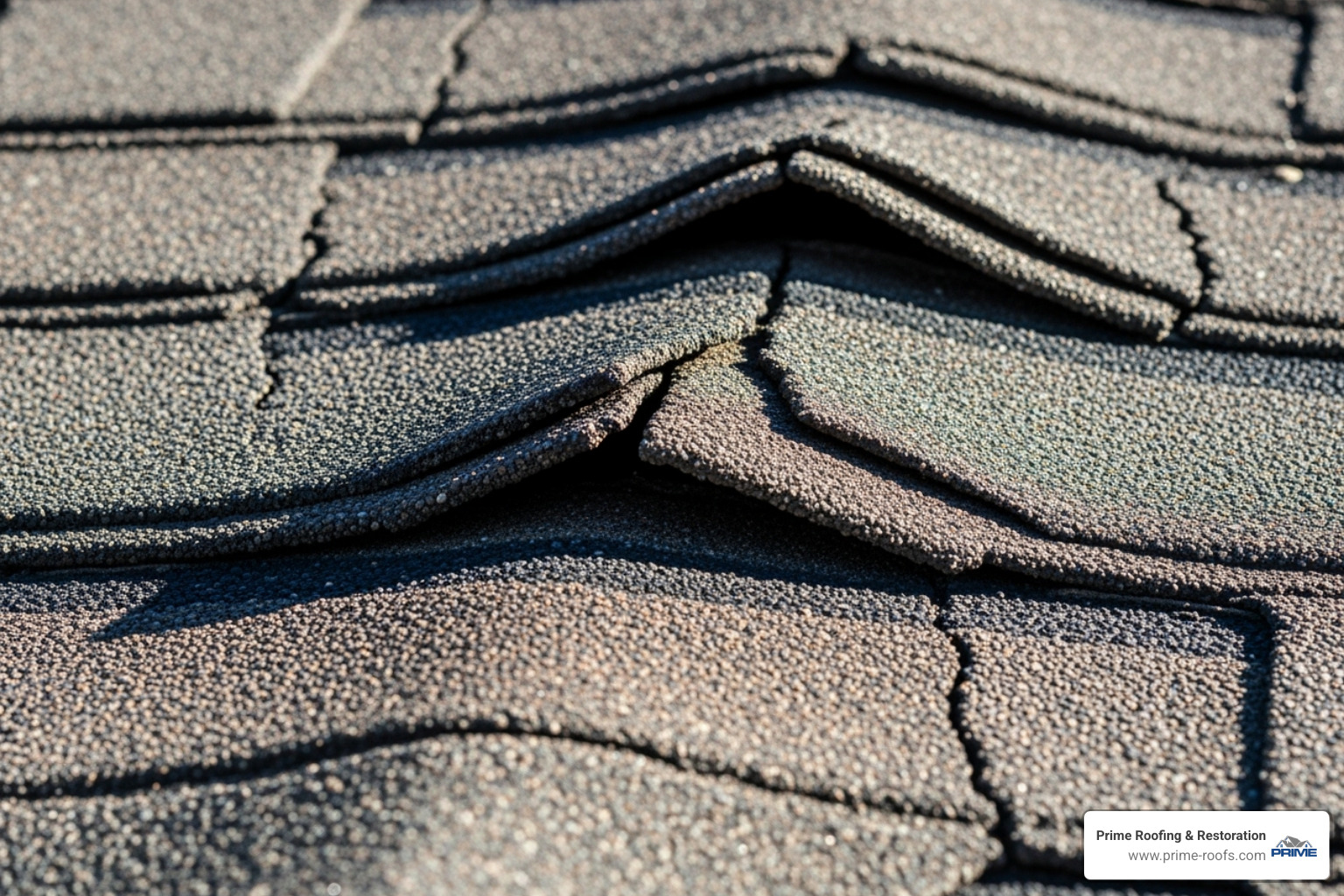
Inspect your shingles for signs of wear and tear:
- Curling or cupping indicates that shingles are drying out and losing their watertight seal.
- Cracked or broken shingles create clear pathways for water to seep through to the roof deck.
- Missing shingles, often caused by high winds, leave exposed areas highly susceptible to leaks.
- Granule loss in gutters is a key sign of aging. These protective granules shield the asphalt from UV rays. When they wear away, the shingle deteriorates much faster.
These signs indicate your roof’s protective layer is failing, and replacement is needed to prevent structural damage.
3. You See Leaks or Water Stains in Your Attic
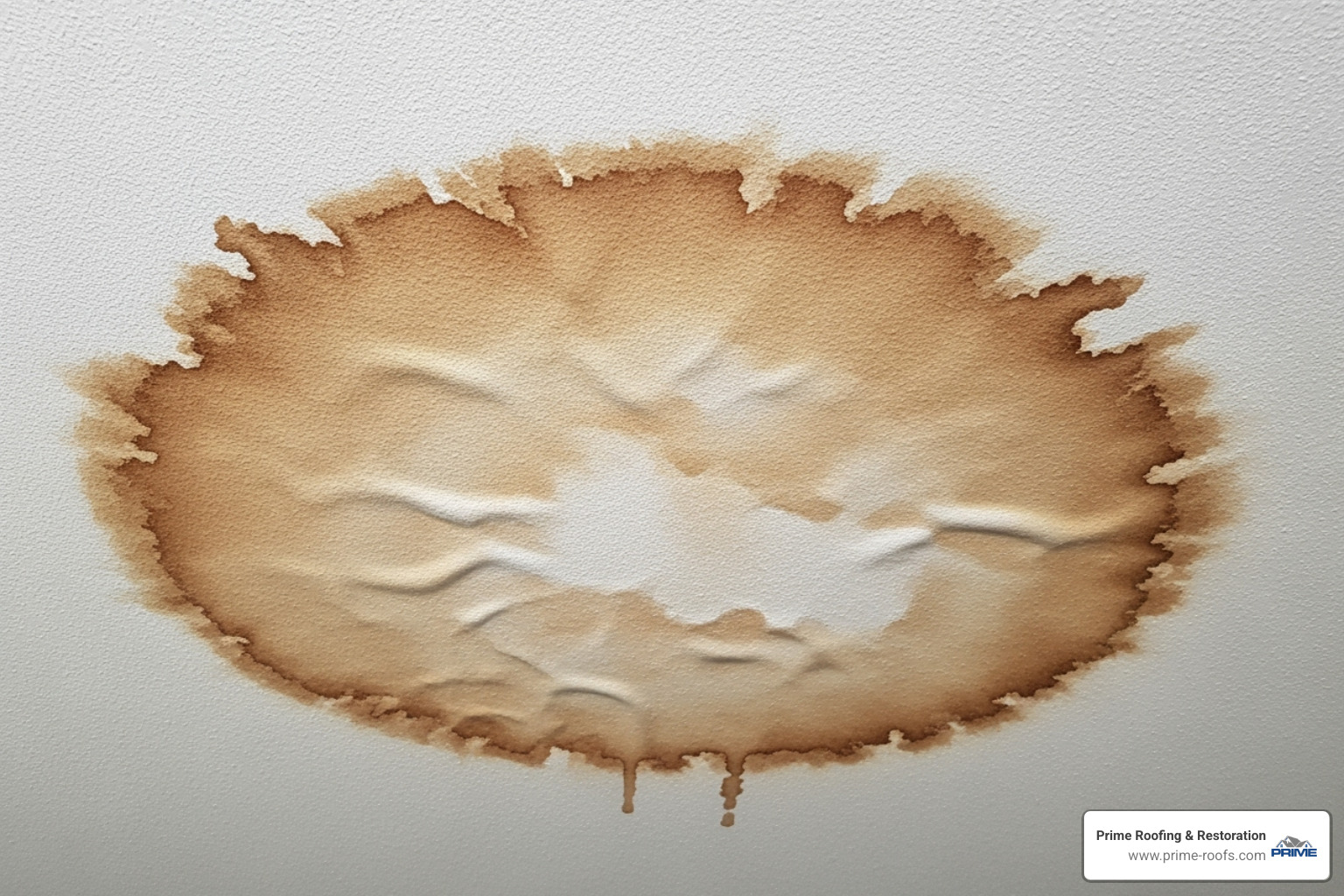
Direct evidence of water intrusion is an alarming sign. Check your attic, especially after heavy rain.
- Dark spots or discoloration on wood surfaces are signs of a leak.
- A musty odor can indicate hidden moisture and mold growth.
- Visible mold or mildew is a serious health concern and a clear sign of a persistent leak.
- Daylight visible through roof boards means you have holes that allow rain and pests to enter.
Water damage can lead to wood rot, compromising your roof’s structural integrity. Understanding what is wood rot and when to replace roof sheathing is crucial for proactive homeowners.
4. The Roof is Sagging or Drooping
A roof should have a straight, uniform line. Any sagging, dipping, or drooping is a serious red flag indicating a potential structural problem with the roof decking or its underlying supports. Sagging can be caused by water damage, wood rot, or excessive weight. A sagging roof is a safety hazard that can lead to catastrophic failure. If you notice any sagging, a professional assessment is immediately necessary.
5. Moss, Algae, or Fungi are Growing on Your Roof

Extensive moss, algae, or fungi growth is a sign of trouble. These growths trap moisture against your shingles, which can cause them to deteriorate and lead to wood rot in the decking. Moss can also lift shingles, making them vulnerable to wind and water intrusion. While cleaning can help, persistent growth often indicates an aging roof that is no longer shedding water effectively, a common issue in Alabama’s humid climate.
6. Flashing Around Vents and Chimneys is Damaged
Roof flashing is a thin material, typically metal, installed around chimneys, vents, and skylights to create a watertight seal. When flashing fails, leaks are almost inevitable. Look for rust, corrosion, cracks, or missing sections. Older homes may have tar or cement flashing that can dry out and break apart. Damaged flashing is a common cause of leaks and can lead to significant water damage if not addressed.
7. Your Energy Bills Have Spiked Unexpectedly
Your roof plays a major role in your home’s energy efficiency. If your heating and cooling bills have increased without a clear reason, your roof could be the culprit. An aging roof can lead to poor attic ventilation, trapping hot air in the summer and moist air in the winter. This forces your HVAC system to work harder, increasing your utility costs. While not a direct sign of structural failure, high energy bills can indicate that your roof’s insulating properties are diminished.
How Often Do Roofs Need to Be Replaced? Key Factors That Shorten Lifespan
Two roofs made of the same material can have vastly different lifespans. The actual replacement timeline comes down to three critical factors: local climate, installation quality, and ongoing maintenance. Understanding these elements helps you predict when your roof will actually need replacement, not just when the manufacturer suggests it should.
How Climate and Weather Impact Your Roof
Climate is arguably the most significant external factor affecting how often do roofs need to be replaced. Alabama’s weather presents a unique set of challenges that can shorten a roof’s life compared to national averages.
- Hot, Humid Summers: Relentless UV radiation breaks down asphalt shingles, making them brittle and prone to cracking. High humidity creates the perfect environment for mold and algae growth.
- Severe Weather Seasons: Alabama experiences two severe weather periods a year, with high winds that can strip shingles and hail that causes impact damage.
- Thermal Shock: Rapid temperature fluctuations, especially in spring and fall, cause materials to expand and contract, leading to cracks and failures over time.
These conditions mean a roof in Hoover, AL might endure more stress in 15 years than a similar roof in a milder climate does in 25. Local expertise is essential for assessing your roof’s true remaining lifespan.
Why Quality Installation and Maintenance Matter
Even the best roofing material will fail prematurely if installed incorrectly. Poor installation is a leading cause of early roof failure. Common shortcuts include improper shingle fastening, incorrect underlayment installation, flashing errors, and inadequate attic ventilation. A poorly ventilated attic traps heat and moisture, which can cook shingles from below and cause wood rot.
Choosing a certified, reputable installer ensures your roof is installed to manufacturer specifications, maximizing its lifespan and validating your warranty.
Ongoing maintenance is equally critical. Neglecting your roof can shave five to ten years off its life. Simple tasks make a huge difference:
- Clean clogged gutters to prevent water from backing up under the roof edge.
- Trim overhanging tree branches that can scratch shingles and drop debris.
- Schedule regular inspections to catch minor issues before they become major problems.
Preventive care is the best way to extend your roof’s life and save money in the long run.
How often do roofs need to be replaced if they have multiple layers?
Installing new shingles over an existing roof, known as a “roof-over,” is often pitched as a budget-friendly option. However, layering roofs almost always shortens the lifespan of the new roof and can create serious problems.
Multiple layers add significant weight, stressing the roof structure. They also trap heat and moisture, which accelerates shingle deterioration and can lead to unseen mold and rot. Most importantly, a roof-over hides underlying deck damage. For these reasons, many manufacturer warranties are voided when their products are installed over existing layers.
While building codes may allow two layers, a complete tear-off is almost always the recommended solution for long-term performance, structural integrity, and full warranty coverage.
Roof Repair vs. Replacement: Making the Right Financial Decision
Deciding between a repair and a full replacement can be tough. The right choice depends on the roof’s age, the extent of the damage, and your long-term plans. A minor issue on a newer roof may only need a simple fix, while widespread damage on an older roof almost always points toward replacement.
When to Choose Roof Repair
Repair is often the most cost-effective solution when the damage is isolated and minor. If a few shingles are missing or you have a small leak, a targeted repair can solve the problem affordably. We generally recommend repair when:
- Less than 30% of the roof is affected. Beyond this, you’re likely facing a systemic problem.
- The roof is relatively young. If your roof is still in the first half of its expected lifespan and otherwise in good condition, repairs are a smart move.
- Budget is a primary concern. Repairs can provide a temporary fix if a full replacement isn’t financially feasible right away.
However, if you find yourself constantly patching leaks, you’re throwing good money after bad. Those recurring repair costs can quickly add up.
When to Choose Roof Replacement
A full roof replacement is a significant investment, but it’s often the most cost-effective long-term solution. Replacement is the best choice when your roof shows signs of widespread or systemic failure.
Consider replacement when:
- The roof is over 20 years old. An asphalt shingle roof past this age is on borrowed time, and proactive replacement prevents the stress of an emergency.
- There is widespread damage. Extensive cracking, granule loss, or curling shingles across the roof indicate the entire system is failing.
- You have structural issues. A sagging roof or significant wood rot requires a full tear-off to address the underlying problems.
- You are planning to sell your home. A new roof boosts curb appeal, adds value, and can be a major selling point.
Delaying a necessary replacement risks extensive interior water damage, costly mold remediation, and structural repairs. When in doubt, get a professional assessment to make an informed decision that protects your home.
Frequently Asked Questions about Roof Replacement
How often do roofs need to be replaced in Alabama?
In Alabama, the combination of intense sun, high humidity, and severe storm seasons means roofs often have a shorter lifespan than the national average. While a standard asphalt shingle roof might last 25 years elsewhere, here in Alabama, it may only last 15-18 years. This accelerated aging is due to:
- High UV exposure: Breaks down shingle granules and asphalt quickly.
- Humidity: Promotes moss, algae, and mold growth, which retain moisture.
- Frequent storms: High winds, heavy rain, and hail are common, causing physical damage and stress.
This makes regular inspections critical for homeowners in our state, ensuring you catch problems early and maintain your home’s integrity.
Can I get my roof replaced through my insurance?
Homeowners insurance typically covers roof replacement if the damage is caused by a sudden, accidental event, also known as a “covered peril.” This includes events like:
- Storm damage: Hail, high winds, fallen trees, or lightning strikes.
- Fire: Damage from a fire.
- Vandalism: Intentional damage to your roof.
However, it’s crucial to understand that insurance does not cover roof replacement due to normal wear and tear or lack of maintenance. If your roof simply aged out or you neglected repairs, your claim will likely be denied.
Getting a roof replaced on insurance requires a professional inspection to thoroughly document the damage, differentiating it from age-related deterioration. We work closely with insurance companies to ensure a smooth claims process for our clients.
What is the best time of year to replace a roof?
The ideal time for roof replacement is generally during fall and spring. These seasons offer moderate temperatures, which are crucial for several reasons:
- Shingle sealing: Asphalt shingles need warm, but not excessively hot, temperatures to properly seal and adhere to each other. This “thermal sealing” is vital for their wind resistance and waterproofing.
- Crew comfort and efficiency: Moderate weather makes working conditions safer and more comfortable for our roofing crews, leading to more efficient and higher-quality work.
- Material handling: Shingles are less brittle in moderate temperatures, reducing the risk of damage during installation.
However, in Alabama, work can often be done year-round. We simply avoid days of extreme heat (which can make shingles too soft and easily damaged), extreme cold (which makes shingles brittle and prevents proper sealing), or active rain. Our team carefully plans projects to coincide with optimal weather conditions, ensuring the best outcome for your new roof.
Protect Your Investment with a Professional Roof Replacement
Knowing when to replace your roof is one of the most important responsibilities of a homeowner. By recognizing the signs of aging and damage—from curling shingles and water stains to a sagging roofline—you can act before minor issues become catastrophic failures that threaten your home’s safety and value.
Your roof is the protective shield that keeps your family safe. When it fails, the consequences can spread through your attic, ruin ceilings and walls, foster dangerous mold, and weaken your home’s structure. The cost of these secondary damages often far exceeds the cost of a timely roof replacement.
While material and climate play a big role in determining how often do roofs need to be replaced, nothing is more critical than a professional installation. Poor workmanship can void warranties and cut your roof’s lifespan in half. Conversely, a properly installed roof using quality materials can provide decades of reliable protection.
A new roof is a significant investment that protects everything else in your home. For a comprehensive evaluation, expert advice, and top-tier roof replacement services you can trust, Prime Roofing & Restoration is here to help. We build lasting relationships with homeowners across Central Alabama, providing quality craftsmanship and the service you can rely on for the life of your home. Contact us today for a free estimate, and let us ensure your home remains safe, secure, and protected for years to come.