
When Your Roof Fails, Every Minute Matters: A Comprehensive Guide to Emergency Response
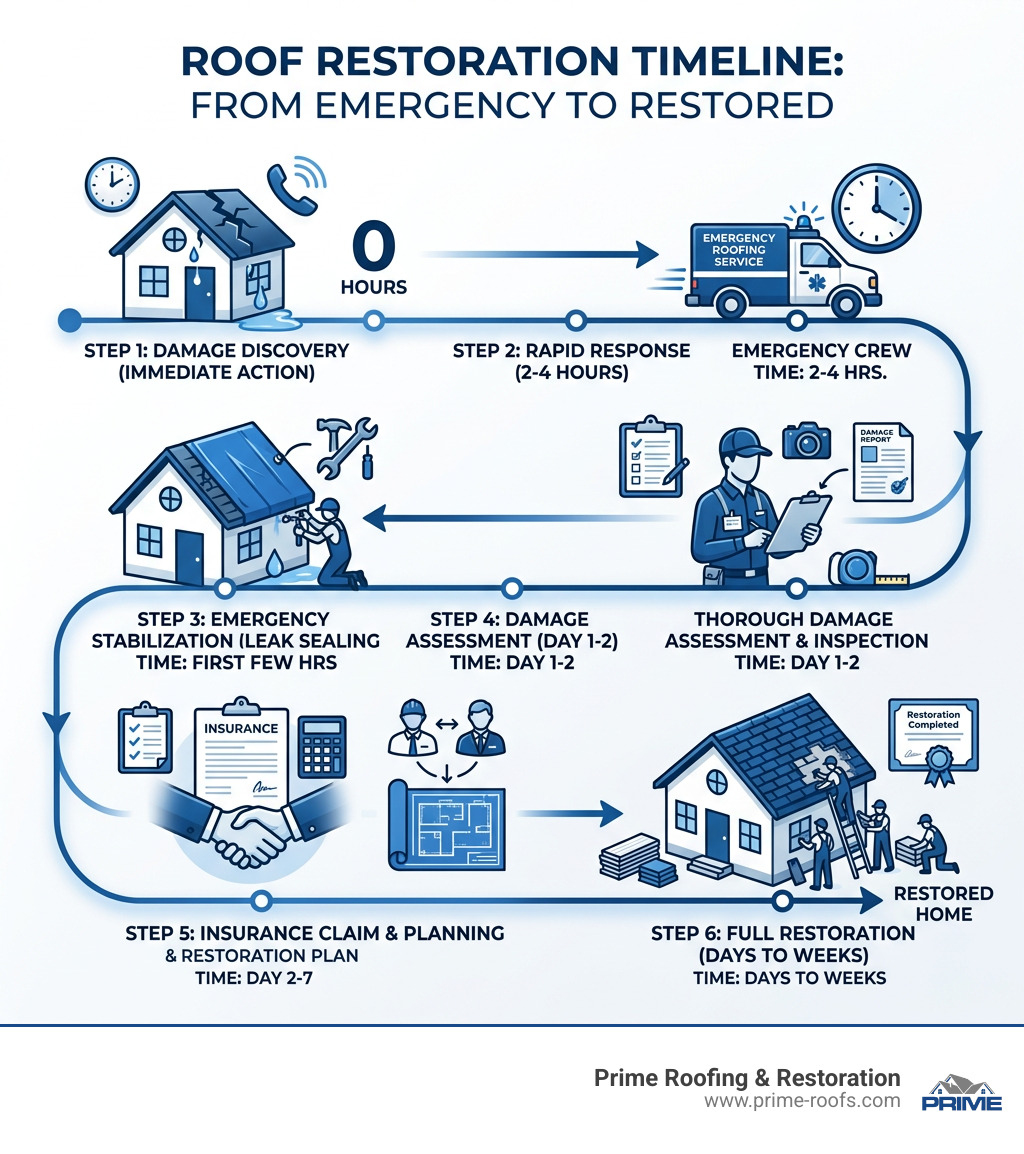
Emergency roofing services near me are professional roofing crews available 24/7 to respond quickly when storm damage, leaks, or structural failure puts your home at risk. As the premier roofing and restoration company in Alabaster, Prime Roofing & Restoration provides immediate stabilization to prevent catastrophic property loss. If you are facing an active leak, call 205-901-0401 for immediate dispatch.
In the heart of Alabama, weather patterns can shift from calm to catastrophic in a matter of minutes. Whether it is a sudden microburst in Alabaster or the outer bands of a hurricane reaching the Gulf Coast, your roof is the first line of defense for your family and your most significant financial investment. When that defense is breached, the clock starts ticking. Water damage is progressive; it doesn’t just stay on the surface. It migrates through insulation, saturates wooden framing, and can compromise your home’s electrical grid within hours. This is why searching for “emergency roofing services near me” requires a partner who understands that “fast” isn’t just a goal—it’s a necessity.
Here’s what you need to know right now:
| What You Need | What to Expect |
|---|---|
| Response time | Within a few hours, often 2-4 hours |
| First action taken | Tarping, leak sealing, and stabilization |
| Available 24/7? | Yes, reputable providers dispatch around the clock |
| Works with insurance? | Yes, most assist with documentation and claims |
| Covers both home and business? | Yes, residential and commercial properties |
A roofing emergency is any situation where water is actively entering your home, or the structure itself has been compromised. Think missing shingles after a windstorm, a tree branch punching through your roof deck, or a sudden leak spreading across your ceiling. These aren’t problems you can schedule for next week. According to the National Roofing Contractors Association (NRCA), immediate mitigation is the most effective way to reduce the total cost of a roofing insurance claim.
The damage doesn’t stop while you wait. Water gets into insulation, drywall, and electrical systems fast. According to industry data, 87% of homeowners read online reviews before choosing a contractor — but in an emergency, you also need someone who shows up fast and arrives prepared. That’s exactly what professional emergency roofing and restoration services are built for.
I’m Bill Spencer, Owner and President of Prime Roofing & Restoration, a licensed contractor serving Central Alabama and the Gulf Coast with hands-on experience in emergency storm response, insurance claim support, and rapid roof stabilization. When Alabama homeowners search for emergency roofing services near me, my team is built to be the answer — showing up prepared, working fast, and keeping your home protected from the moment we arrive. We understand the local building codes in Shelby County and the specific wind-load requirements for coastal properties, ensuring that even our temporary fixes are robust and reliable.
Simple emergency roofing services near me glossary:
Identifying a Roofing Emergency: When Every Second Counts
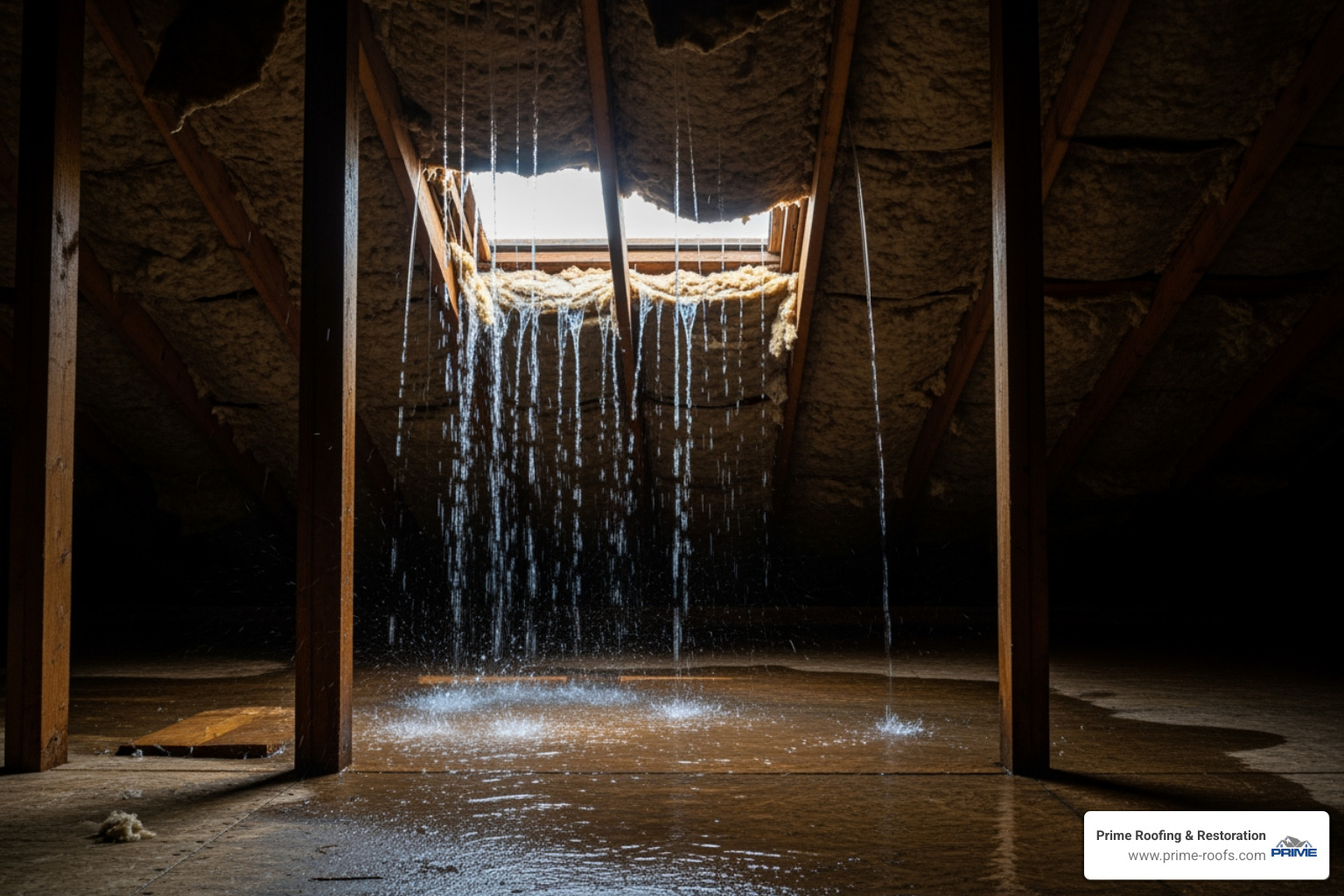
In the roofing world, not every drip is a disaster, but ignoring the wrong signs can lead to a total system failure. We define a roofing emergency as any event that compromises the safety of the occupants or the structural integrity of the building. If you are currently searching for rapid emergency roofing solutions, you likely have water crossing the threshold of your “dry zone.”
Defining Immediate Threats to Your Home’s Integrity
How do you know if you need to call us at 3:00 AM versus waiting until Monday morning? Look for these critical indicators that signal a high-priority crisis:
- Active Water Intrusion: If water is dripping from a ceiling light fixture or pooling on your floor, it is an emergency. Water and electricity are a dangerous combination. Water traveling through electrical conduits can cause short circuits or even house fires. If you see water near outlets, shut off the main breaker immediately.
- Sagging Ceilings: A sagging ceiling indicates that water is pooling behind the drywall. Drywall is essentially paper and gypsum; when it absorbs water, it becomes incredibly heavy. This poses a risk of a sudden ceiling collapse, which can cause injury or significant interior damage.
- Large Sections of Missing Shingles: If a windstorm has stripped away large patches of shingles, your underlayment is exposed. Standard underlayment (felt paper or synthetic) is not designed to be waterproof for long periods. It is a secondary barrier, and UV rays or heavy rain will penetrate it quickly.
- Visible Structural Compromise: If a tree has fallen on your roof or the ridgeline looks crooked, the “bones” of your home may be damaged. This requires an immediate assessment to ensure the rafters or trusses haven’t snapped, which could lead to a partial roof collapse.
- Fire Damage: Even if the fire was small, the heat can melt shingles and the water used to extinguish the flames can cause massive internal damage. The structural integrity of the decking must be verified before the home is considered safe.
Common Catastrophic Causes of Urgent Roof Damage
Living in Alabama, our roofs face a year-round battle with the elements. From the heat of Alabaster summers to the unpredictable storm seasons, several factors can trigger an immediate need for emergency roofing services near me.
- High Winds and Uplift: Hurricanes and tornadoes can exert “uplift” pressure. According to NOAA, wind speeds in Alabama can easily exceed 70-80 mph during severe thunderstorms. This pressure literally peels shingles or metal panels off the roof deck, especially if the starter strips or fasteners were aged or improperly installed.
- Hail Strikes: While some hail damage is cosmetic, large stones can “bruise” shingles, causing them to lose their protective granules instantly. This exposes the asphalt mat to UV damage and leads to rapid deterioration and leaks. In Alabama, hail is a leading cause of premature roof failure.
- Ice Dams and Rare Freezes: In rare Alabama freezes, snow and ice can melt and refreeze at the gutters. This creates a dam that forces liquid water up under the shingles and into your attic. This is particularly dangerous because it often goes unnoticed until a large section of the ceiling is saturated.
- Fallen Debris: Heavy oak branches or pines are common culprits for punctures. A single branch can create a hole that allows hundreds of gallons of water into your home during a heavy downpour. The weight of the debris itself can also cause structural stress on the roof’s load-bearing walls.
- Age-Related Failure: Asphalt shingles typically last 20 to 30 years. Toward the end of their life, they become brittle and lose their ability to expand and contract. A storm that a 10-year-old roof would handle easily might cause a 25-year-old roof to fail completely as the seals between shingles break.
Securing Reliable Emergency Roofing Services Near You
When you are in the middle of a crisis, you don’t just need a roofer; you need a partner who understands the local landscape. Finding expert local roofers in Alabaster, AL ensures that the team arriving at your door knows the specific building codes and weather challenges of Central Alabama. Local contractors are also more likely to be available for follow-up repairs and warranty work compared to “storm chasers” who leave the area once the clouds clear.
What to Expect from Professional Emergency Roofing Services
When we arrive for an emergency call, we aren’t just there to give a quote. We are there to stop the bleeding. Here is our standard protocol for rapid stabilization:
- Live Triage: We assess the most dangerous areas first. We check for electrical hazards and structural stability before anyone steps on the roof. Safety is our absolute priority—for our crew and your family.
- Emergency Tarping: We use heavy-duty, UV-resistant tarps to create a temporary weather-tight seal. We don’t just throw a tarp over the hole; we use wooden “furring strips” to secure the tarp so it won’t blow away in the next gust of wind. This stops water from entering while we plan the permanent repair.
- Advanced Leak Detection: Sometimes the leak isn’t where the drip is. Water can travel 20 feet down a rafter before it hits the ceiling. We use moisture tracing and, in some cases, thermal scanning to find exactly where water is entering the system.
- Debris Removal: If a tree has fallen, we work to safely remove limbs that are obstructing the repair area. We coordinate with tree removal services if the job requires heavy machinery like cranes.
- Documentation for Claims: We take detailed “before” photos and videos. This is vital for your insurance claim, as it proves the extent of the damage before any temporary fixes were applied. We document the size of hail, the direction of wind damage, and the impact points of debris.
Choosing the Best Emergency Roofing Partner: A Checklist
In a rush, it’s easy to hire the first person who answers the phone. However, a bad repair can be worse than no repair. Use this checklist to vet any company providing emergency roofing services near me:
- Reviews and Reputation: Look for a company with at least a 4.5-star rating on Google. Reviews from your neighbors in Alabaster, Pelham, or Hoover are the best indicators of reliability and local accountability.
- Licensing and Insurance: Never hire an “un-badged” roofer. They must be licensed in the state of Alabama and carry both general liability and workers’ compensation insurance. If an uninsured worker is injured on your roof, you could be held liable.
- Safety Protocols: Ask if they are OSHA-compliant. Emergency roofing often involves slick surfaces, steep pitches, and high winds; you don’t want an accident on your property. Professional teams use harnesses and roof anchors even during emergency tarping.
- Warranty: Even emergency repairs should come with a workmanship guarantee. If the tarp fails within 24 hours, will they come back and fix it for free?
- End-to-End Solutions: Choose a firm that can handle the emergency tarping and the eventual roof replacement or repair. This ensures continuity in your insurance claim and a smoother overall experience.
For more details, check out our guide to choosing emergency services.
Immediate Steps for Homeowners During a Crisis: Safety First
While you wait for our crew to arrive, your priority is protecting your family and your belongings. There are several things you can do safely from inside the house to mitigate damage. However, the most important advice we can give is to remain calm and avoid taking unnecessary risks.
Essential Safety Precautions and Temporary Interior Fixes
Rule Number One: Stay off the roof. In an emergency, roofs are often structurally unsound, slippery, or cluttered with debris. Professional roofers have the safety gear and training to navigate these hazards. Leave the climbing to the professionals.
- Contain the Water: Place buckets or plastic bins under active leaks. If water is pooling on a ceiling and causing it to bulge, you can carefully poke a small hole in the center of the bulge with a screwdriver to drain the water into a bucket. This prevents the entire ceiling from collapsing under the weight of the trapped water.
- Protect Valuables: Move furniture, electronics, and heirlooms away from the leak area. If furniture is too heavy to move, cover it with plastic sheeting or heavy-duty trash bags. Don’t forget to check inside closets or cabinets that share a wall with the leak.
- Electrical Safety: If water is leaking near outlets, light switches, or your breaker box, turn off the power to those specific circuits immediately. If the leak is widespread, it may be safer to turn off the main power switch to the entire house until a professional can assess the risk.
- Ventilation and Drying: Once the leak is contained, use fans and dehumidifiers to start drying out the area. This is the first step in preventing mold growth, which can start in as little as 24 to 48 hours in Alabama’s humid climate. Open windows if the rain has stopped to allow fresh air to circulate.
For a deeper dive into what to do in the first hour, read our emergency roof leak repair tips.
Documenting Damage for a Seamless Insurance Claim
Insurance companies require proof of the event and the resulting damage. Before you move anything or we start tarping, grab your phone and document everything. This documentation is the foundation of your claim.
- Photos and Videos: Take wide shots of the house from the ground and close-ups of the specific damage. If there is hail on the ground, take a photo of a hailstone next to a common object like a quarter or a golf ball for scale. Document the interior damage as well, including water stains on ceilings and walls.
- Date and Time: Most phones do this automatically, but keep a log of when the storm hit and when you first noticed the leak. This helps the insurance company correlate your claim with local weather reports.
- Inventory of Damaged Goods: List any interior items damaged by the water, such as laptops, rugs, or furniture. Include the approximate age and value of these items if possible.
- Save All Receipts: If you have to buy buckets, tarps, or cleaning supplies to protect your property, keep the receipts. These are often reimbursable under your “Loss of Use” or “Additional Living Expenses” (ALE) coverage if the home becomes uninhabitable.
Understanding these steps is part of our emergency roof service overview.
Understanding the Cost and Insurance Process for Urgent Repairs
The question every homeowner asks is: “How much is this going to cost?” While every situation is unique, emergency services generally carry a different pricing structure than a scheduled roof inspection or a planned replacement. This is due to the immediate dispatch of labor and the specialized materials required for rapid stabilization.
Key Factors Affecting Emergency Roofing Pricing
| Factor | Impact on Cost |
|---|---|
| Time of Call | After-hours, weekends, or holidays typically incur a “dispatch fee” or higher labor rates to compensate for on-call staff. |
| Extent of Tarping | A small 10×10 tarp is significantly cheaper than tarping an entire slope or multiple facets of a complex roof. |
| Roof Pitch and Height | Steeper roofs (7/12 pitch and above) or multi-story homes require more safety equipment and more time to navigate safely. |
| Material Type | Repairing a commercial TPO roof requires different tools and materials than a standard asphalt shingle roof. |
Minor repairs often start around $499, but emergency stabilization for major storm damage can vary based on the complexity of the job. We always provide transparent pricing before we begin work. For a detailed breakdown, see our emergency roofer cost guide and our overview of roofing emergency leaking solutions.
Navigating Your Insurance Claim with Expert Assistance
One of our primary roles at Prime Roofing & Restoration is acting as a bridge between you and your insurance company. Most homeowners’ policies in Alabama cover “sudden and accidental” damage, such as wind, hail, or fallen trees. However, the process can be daunting.
- Policy Review: We help you understand your deductible and what “Replacement Cost Value” (RCV) versus “Actual Cash Value” (ACV) means for your payout. RCV covers the cost to replace the roof at today’s prices, while ACV subtracts depreciation based on the age of the roof.
- Adjuster Meetings: We prefer to be on-site when the insurance adjuster arrives. We can point out hidden damage, like hail bruises that haven’t yet caused a leak or moisture trapped under the deck, that an adjuster might miss during a quick walk-through.
- Supplement Claims: Sometimes, once we pull up the old shingles, we find rotten wood or code violations (like missing drip edges) that weren’t visible during the first inspection. We handle the “supplement” paperwork to ensure your insurance covers these necessary extras so the job is done right.
- FEMA and Disaster Assistance: In the event of a federally declared disaster, additional funds may be available. We stay informed on FEMA guidelines to help our clients maximize their recovery options.
If you are on the coast, you might find our emergency roof repair in Gulf Shores guide particularly helpful for hurricane-specific claims and the unique requirements of coastal insurance policies.
The Critical Risks of Delaying Emergency Roof Repairs
It is tempting to put a bucket under a leak and wait for the “perfect time” to fix it. However, the cost of waiting is almost always higher than the cost of the repair. In the roofing industry, we often say that a $500 repair today prevents a $5,000 repair next month.
Escalation of Secondary Damage: A Costly Consequence
When you delay calling emergency roofing services near me, you aren’t just risking your roof; you are risking your entire home’s ecosystem. Water is a persistent force that will find the path of least resistance.
- Insulation Damage: Once fiberglass or cellulose insulation gets wet, it loses its R-value (insulating capacity). It clumps together and won’t dry out on its own, leading to higher energy bills and a breeding ground for mold. Wet insulation must almost always be replaced.
- Structural Rot: Water that sits on wooden rafters or roof decking leads to “soft spots.” Over time, this wood will rot, potentially leading to a structural collapse that costs tens of thousands to fix. Rotting wood also attracts pests like termites and carpenter ants.
- Mold and Health Risks: Mold can begin growing in your attic or behind your walls within 48 hours of water exposure. This can lead to respiratory issues, allergies, and other health problems for your family. Professional mold remediation is expensive and can be avoided with rapid roof stabilization.
- Electrical Hazards: Water traveling along beams often finds its way into light fixtures or electrical outlets, creating a significant fire risk. It can also corrode wiring, leading to intermittent power issues throughout the home.
Residents on the coast can also find specialized advice in our guides for emergency roofing in Orange Beach and Orange Beach roofing tips.
Long-term Impact on Property Value and Safety
A neglected roof is a red flag for any future home buyer. Even if you “patch” it yourself, a professional home inspection will likely uncover the underlying moisture damage during a real estate transaction.
- Resale Value: A roof with visible water damage or poor repairs can decrease your home’s value by 10% or more. Buyers are often wary of homes with a history of leaks, fearing hidden mold or structural issues.
- Warranty Voidance: Many shingle manufacturers will void your warranty if the roof was not maintained properly or if repairs were made using sub-standard materials. Professional emergency services ensure that your warranty remains intact.
- Foundation Issues: If your roof system isn’t shedding water correctly (due to damaged gutters or flashing), that water pools at your foundation. In Alabama’s clay soils, this can lead to foundation cracks, shifting, and basement flooding.
Learn more about why 24-7 emergency roofing is a necessity, not a luxury, for maintaining your home’s long-term viability.
Frequently Asked Questions About Emergency Roofing
What truly qualifies as a roofing emergency?
A roofing emergency is any event that compromises the safety of your family or the structural integrity of your home. This includes active leaks where water is entering the living space, large holes from fallen trees, fire damage, or significant sections of shingles being torn away by wind. If the “envelope” of your home is broken, it is an emergency.
How quickly can Prime Roofing & Restoration respond to an emergency?
We pride ourselves on our rapid response times. We offer 24/7 dispatch and typically aim to have a professional crew on your property within 2 to 4 hours. Our goal is to stabilize the situation and protect your home from further damage as quickly as possible.
Does homeowners’ insurance typically cover emergency roof tarping?
Yes. In fact, most insurance policies require you to take “reasonable and necessary” steps to prevent further damage to your property. Tarping is considered a standard preventative measure. We provide the documentation you need to ensure these costs are included in your claim.
Can you repair a roof while it is still raining?
We can perform emergency tarping and temporary sealing during light to moderate rain. However, for the safety of our crew, we cannot perform permanent repairs or work on extremely steep slopes during heavy downpours or lightning storms. Our first priority is always stabilization.
How long can an emergency tarp stay on my roof?
A professionally installed tarp can last for several weeks, but it is not a permanent solution. It is designed to protect your home while we wait for insurance approval and for the weather to clear for a permanent repair. We recommend moving to a permanent fix as soon as possible.
What if my roof leak is small? Is it still an emergency?
Even a small leak can cause significant damage over time. If the leak is active during a storm, it is best to have it assessed immediately. A small drip today can become a ceiling collapse tomorrow if the rain continues.
Do you offer emergency services for commercial properties?
Yes, we provide emergency roofing services for both residential and commercial properties, including retail centers, warehouses, and office buildings. We understand that a leak can disrupt your business operations and we work quickly to minimize downtime.
What should I do if a tree falls on my roof?
First, ensure everyone is safe and evacuate the area if the structural integrity is in doubt. Call your utility company if power lines are involved. Then, call Prime Roofing & Restoration. We will coordinate with tree removal experts and stabilize the roof as soon as it is safe to do so.
Conclusion: Your Trusted Partner in Roofing Emergencies
Roofing emergencies are stressful, but you don’t have to face them alone. Whether it’s a midnight leak in Hoover or storm damage in Alabaster, the key is to act fast. Delaying even a few hours can turn a simple shingle repair into a full-scale mold remediation project. At Prime Roofing & Restoration, we are more than just a roofing company; we are your neighbors. We use high-quality materials, employ licensed experts, and stand by our work with 24/7 support. We handle the hard stuff—from the initial tarping to the final insurance paperwork—so you can focus on getting your life back to normal.
Don’t let a small leak become a major catastrophe. Contact our team for immediate assistance. We are ready to protect what matters most.
Company Information
Prime Roofing & Restoration
Address: 131 9th St SW, Alabaster, AL 35007
Phone: 205-901-0401
Website: www.prime-roofs.com
Find us on Google Maps: Prime Roofing & Restoration – Alabaster, AL