
Understanding Your Home’s First Line of Defense: Roof Shingles
Your home’s roof is its primary shield against the elements, and at the core of this protection are roof shingles. These overlapping materials are designed to shed water, protect your home, and boost its curb appeal. At Prime Roofing & Restoration, we know that choosing the right shingles from the many types available—like asphalt, metal, wood, or slate—can feel overwhelming. This guide will walk you through the key considerations, including cost, lifespan, durability, and appearance, to help you make an informed decision.
I’m Bill Spencer, owner of Prime Roofing & Restoration. With over five years leading our team, I’ve gained extensive hands-on knowledge in roofing systems across the Gulf Coast region, including Alabaster, Alabama, and Orange Beach. My expertise helps homeowners like you select the perfect roofing solution to protect your investment for years to come.
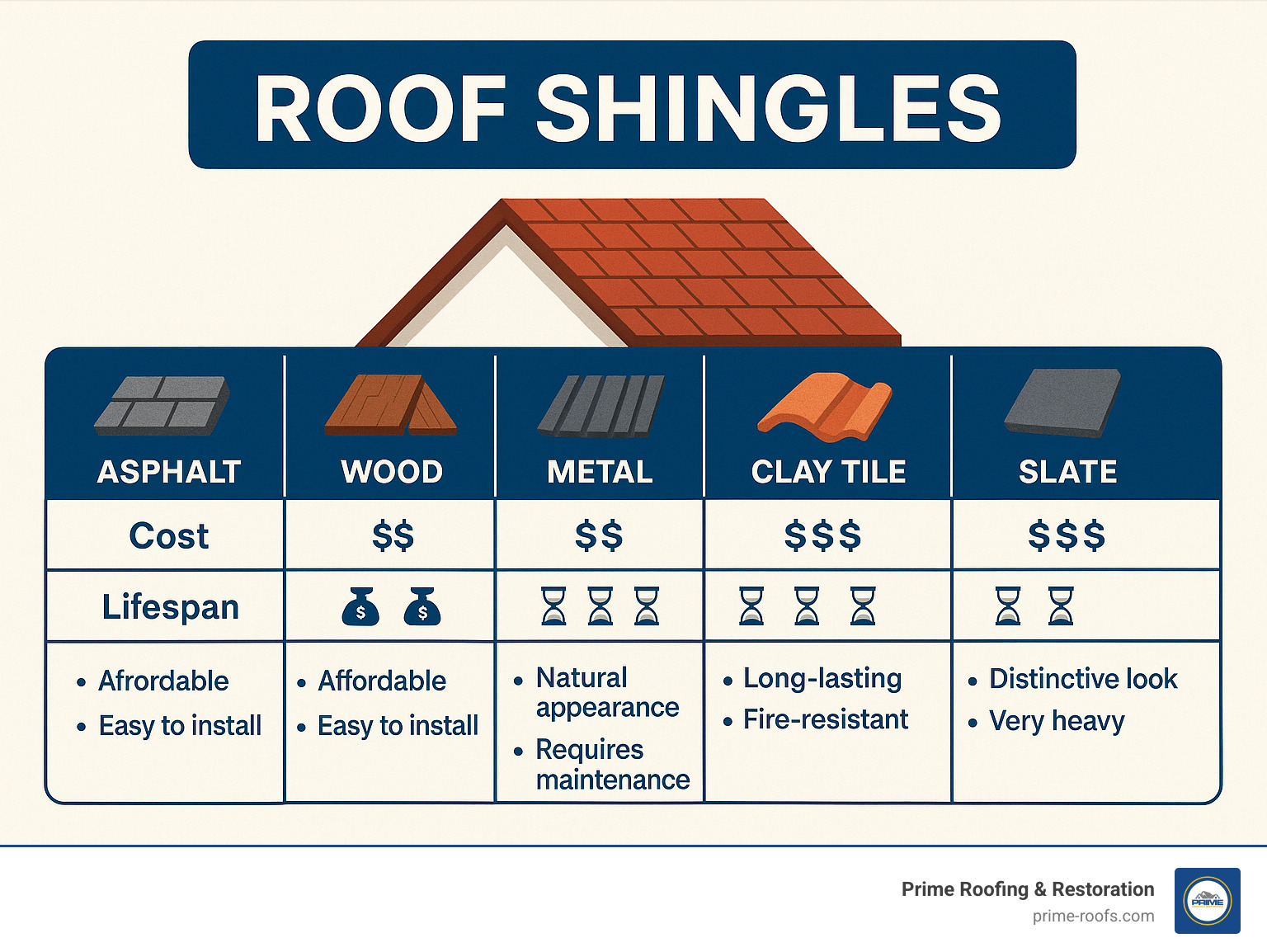
A Guide to the Different Types of Roof Shingles
When it comes to protecting your home, the choices for roof shingles are more diverse than ever. They all shed water and protect your home, but they vary wildly in material, aesthetic, cost, and longevity. Understanding these differences is key to making the best choice for your home and budget.
A Closer Look at Asphalt Roof Shingles
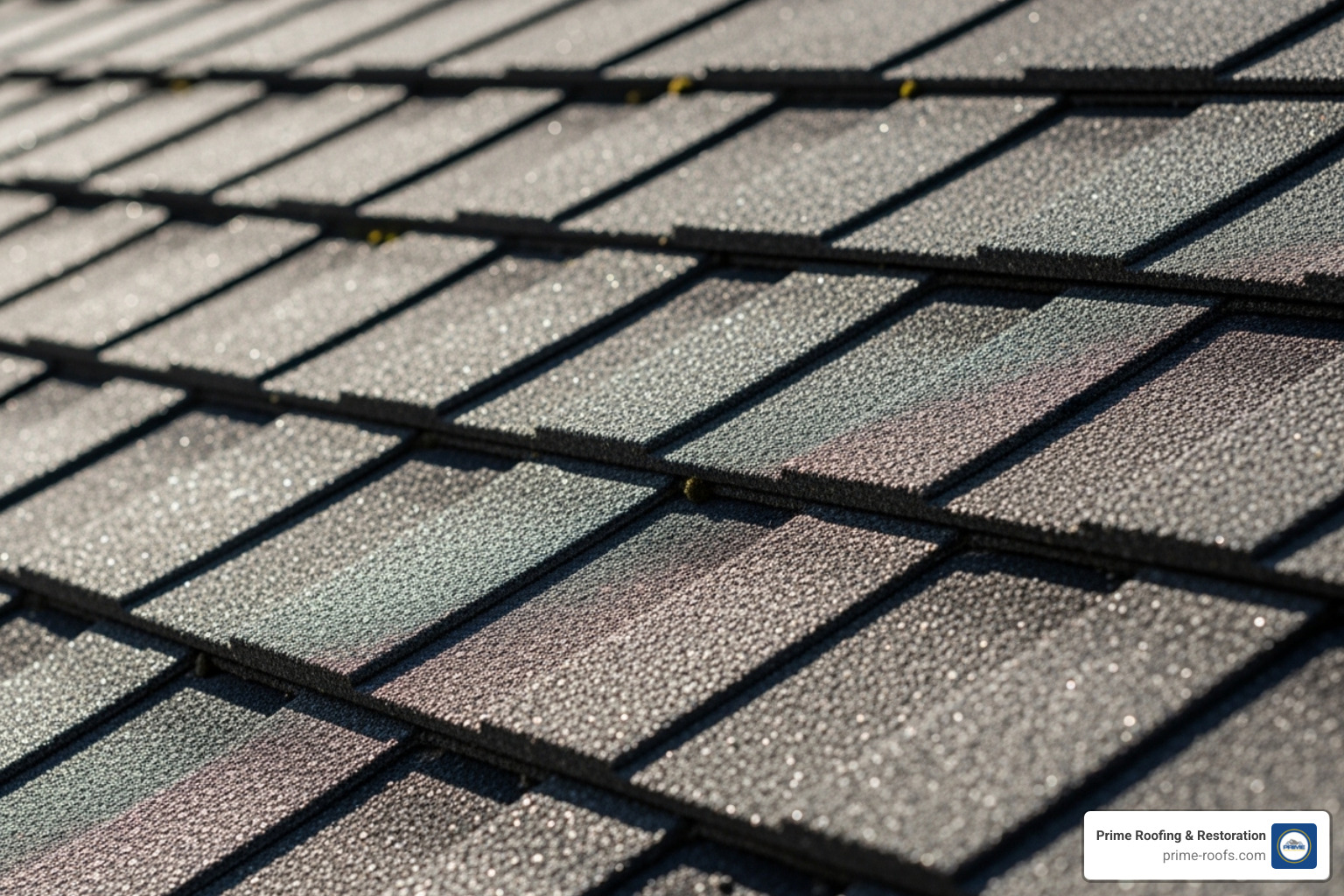
Asphalt roof shingles are the most popular residential roofing option in North America, offering an excellent balance of affordability and performance. Made with a fiberglass base coated in asphalt and topped with ceramic granules, they can last from 20 to 50 years.
- 3-Tab Shingles: The classic, most economical option. These single-layer shingles have a flat, uniform look and a lifespan of around 15-25 years.
- Architectural/Dimensional Shingles: A popular upgrade, these multi-layered shingles offer a thicker, textured appearance that mimics wood or slate. They are more durable than 3-tab shingles, lasting 30-50 years.
- Luxury Shingles: The premium tier, designed to replicate natural slate or cedar shakes with superior durability and warranties of 50 years or more.
Many asphalt shingles also offer performance features like algae resistance to prevent black streaks, Class 4 impact resistance for hail protection, and high wind resistance (up to 130 mph), making them a versatile choice for many homeowners.
The Natural Charm of Wood Shingles
For a rustic, natural aesthetic, wood roof shingles are a captivating option. Typically made from cedar, wood shingles are machine-cut for a uniform look, while wood shakes are hand-split for a more rugged texture. They generally last 25-40 years but require regular maintenance to prevent rot and insect damage. Modern treatments can provide significant fire resistance. If you’re interested in preserving the beauty of wood, you can learn more about wood shingle care.
The Best Durability of Slate Shingles
For unparalleled elegance and longevity, slate roof shingles are in a league of their own. Mined from natural stone, slate roofs can last an incredible 80 to 400 years. This exceptional durability comes with a premium price and significant weight, requiring a robust roof structure to support it. While the initial investment is high, the low-maintenance nature and extreme lifespan of slate make it a worthwhile long-term investment for the right home.
The Modern Appeal of Metal Shingles

Metal roof shingles offer a sleek, modern, and highly durable alternative. Available in steel, aluminum, and copper, they boast a lifespan of 25-50+ years. Metal is incredibly tough, offering excellent fire resistance and protection against high winds and hail. It’s also energy-efficient, reflecting solar heat to reduce cooling costs. While they can be noisier during rain, proper installation and insulation can mitigate this.
Other Notable Shingle Materials
Beyond the common types, several other materials offer unique benefits:
- Composite Shingles: Engineered from a blend of materials, they mimic the look of slate or wood without the high maintenance or weight. They are highly durable, with a lifespan of 40-50 years.
- Rubber Shingles: An eco-friendly choice often made from recycled tires. They are incredibly durable (lasting up to 50 years), impact-resistant, and offer superior sound dampening.
- Clay Tiles: A beautiful and durable option popular in warm climates. With a lifespan of 50-100 years, they are fireproof and provide excellent insulation but are heavy and can be brittle.
How to Choose the Right Shingles for Your Home
Choosing the right roof shingles is a big decision, balancing aesthetics with practical needs like performance and budget. We help clients consider several crucial factors to find the perfect fit that will protect their home for decades.
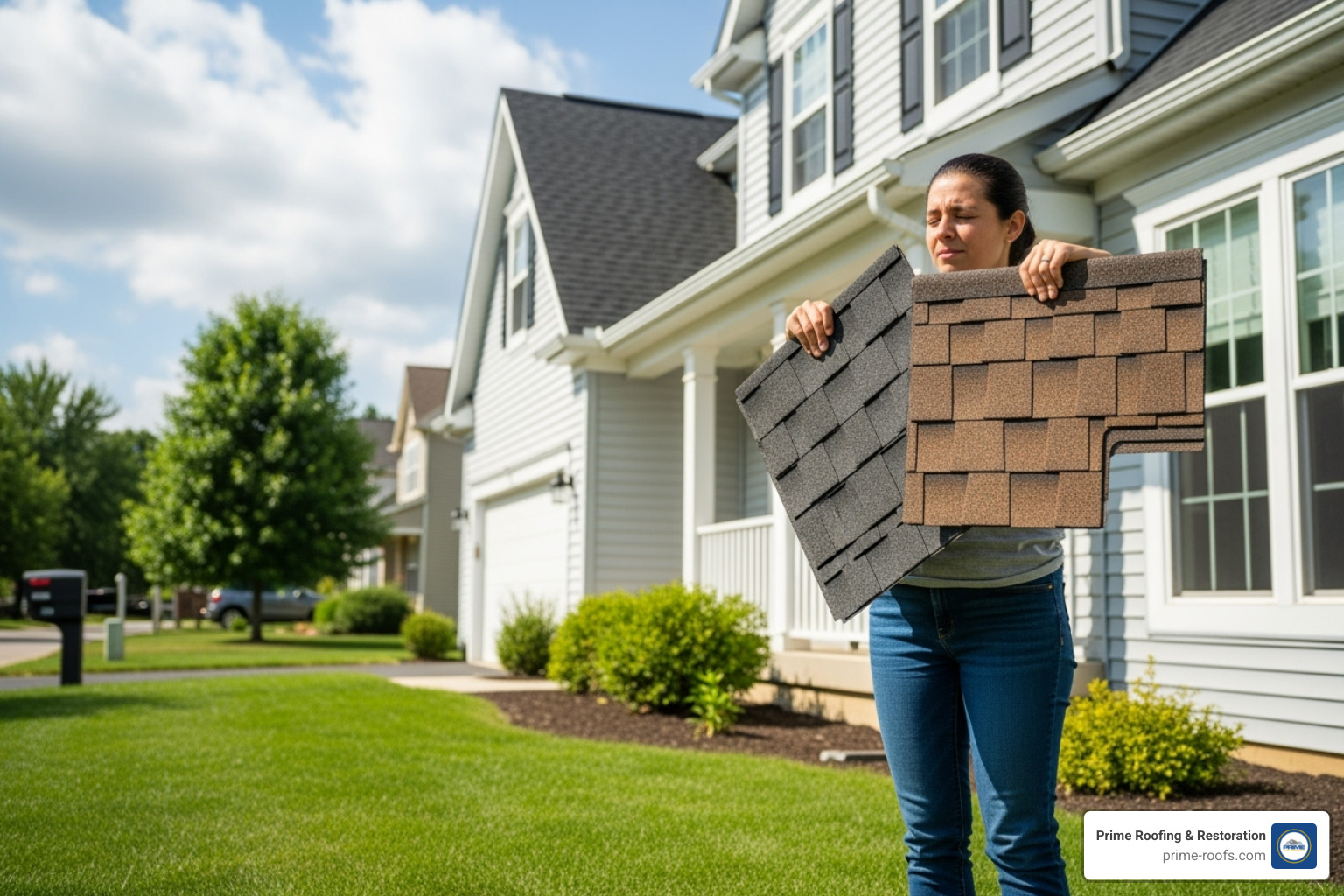
Climate and Environmental Factors
Your local climate plays a pivotal role in selecting the right roof shingles. In Alabama, we face scorching sun, high humidity, and intense storms. For high winds and heavy rain, choose shingles with a high wind-resistance rating (130 mph or more). To combat the unsightly black streaks from algae growth in our humid climate, look for shingles with built-in algae resistance.
Hail is another major concern. We often recommend impact-resistant roof shingles with a Class 4 rating, which can handle significant hail impacts and may even earn you a discount on your homeowner’s insurance. Finally, lighter-colored shingles can reflect more sunlight, helping to keep your attic cooler and lower energy bills during our hot summers.
Budget, Lifespan, and Long-Term Value
Your new roof is a long-term investment, so it’s important to look beyond the initial price tag. A cheaper option might save money upfront but could cost more over time due to a shorter lifespan or higher maintenance needs. Consider the upfront cost, expected lifespan, maintenance requirements, and potential energy savings when making your choice.
Here’s a quick comparison of common roof shingles types:
| Shingle Type | Cost per Sq. Ft. (Material Only) | Average Lifespan | Key Pros | Key Cons |
|---|---|---|---|---|
| Asphalt | $4 – $8 | 25 – 30 years | Most popular, affordable, versatile aesthetics, easy to install, good fire rating. | Shorter lifespan than some, can degrade in extreme temps, less eco-friendly than recycled options. |
| Wood | $4 – $8 | 25 – 40 years | Natural beauty, rustic charm, good insulation. | Requires more maintenance, fire hazard (if untreated), susceptible to rot/insects, insurance can be higher. |
| Metal | $6 – $14 | 25 – 30 years (up to 70+) | Extremely durable, fire-resistant, energy-efficient, lightweight, long lifespan. | Higher upfront cost, can be noisy in rain, installation requires specialized skills, limited aesthetic variety. |
| Clay Tile | $9 – $14 | 50 – 100 years | Exceptional durability, fireproof, resistant to insects/rot, excellent insulation, distinctive aesthetic. | Very heavy (requires structural support), high upfront cost, brittle (can break), specialized installation. |
| Slate | $10 – $20 | 80 – 400 years | Best longevity, stunning natural beauty, fireproof, resistant to rot/inse**cts, low maintenance. | Highest upfront cost, extremely heavy (requires structural support), installation is highly specialized/costly. |
| Composite | $4 – $10 | 40 – 50 years | Mimics natural materials, durable, lightweight, often made from recycled materials, good impact/fire resistance. | Can be more expensive than asphalt, less traditional appearance for some, limited color options. |
| Rubber | ~$8 (often twice asphalt) | ~50 years | Eco-friendly (recycled), highly durable, excellent impact/wind resistance, sound dampening, lightweight. | Higher upfront cost, specific aesthetic may not appeal to all, limited color options. |
Understanding Your Warranty
To protect your investment, you need to understand your warranties. You’ll typically encounter two types:
- Manufacturer Warranty: This covers defects in the shingle materials themselves, with terms ranging from 20 years to a limited lifetime. Be aware that many are prorated, meaning coverage decreases over time.
- Workmanship Warranty: This is our promise to you, covering the quality of the installation. Even the best shingles will fail if not installed correctly, which is why we stand behind our work.
Professional installation is almost always required to keep the manufacturer’s warranty valid. It’s also important to check if the warranty can be transferred to a new owner if you sell your home.
Maintenance and When to Replace Your Roof Shingles
Even the toughest roof shingles need some care to reach their full lifespan. Regular maintenance can help you avoid costly surprises, but it’s also crucial to know when a repair isn’t enough and a full replacement is necessary.
Essential Maintenance Tips
Proactive maintenance keeps your roof shingles in top shape. We recommend inspecting your roof twice a year (spring and fall) and after major storms. Keep it clean by gently removing leaves and branches that can trap moisture and lead to rot. Ensure your gutters are clean so water can drain properly, preventing backups that could damage your shingles and fascia. In humid climates like Central and Southern Alabama, watch for moss or algae and use appropriate roof-safe cleaners to remove them. Finally, trim overhanging tree branches to prevent scratches and debris buildup.
Signs It’s Time for a Repair or Replacement
Your roof will give you hints when it needs attention. Ignoring these signs can lead to bigger, more expensive problems. Look for these red flags:
- Curling or Clawing Shingles: Shingles curling at the edges or cupping in the middle are a clear sign of age and weather damage.
- Missing Granules: If you see bald spots or find a lot of shingle granules in your gutters, the shingles are losing their UV protection and nearing the end of their life.
- Cracked Shingles: Cracks compromise your roof’s ability to shed water, creating vulnerabilities for leaks.
- Dark Streaks: While often just algae, widespread staining can indicate moisture issues.
- Age of the Roof: If your asphalt shingle roof is approaching or past the 20-30 year mark, it’s time to start planning for a replacement.
- Frequent Leaks: Multiple leaks often point to a systemic failure of the roofing system.
For a few missing or cracked shingles, a targeted repair may suffice. However, if you see widespread wear, multiple leaks, or if your roof is simply old, it’s likely time for a full roof replacement. A thorough inspection can help you make the best decision for your home.
Frequently Asked Questions about Roof Shingles
We get a lot of questions about roof shingles, and we’re always happy to answer them. Here are some of the most common inquiries to help you feel more confident in your roofing decisions.
What are the essential components of a roofing system besides shingles?
Roof shingles are part of an integrated system where each component is crucial for keeping your home dry. Key parts include:
- Underlayment: A water-resistant barrier installed over the roof deck before the shingles, acting as a secondary layer of protection.
- Ice and Water Barriers: A self-adhering membrane used in vulnerable areas like eaves and valleys for superior leak protection.
- Starter Strips: Pre-cut shingles installed at the roof’s edges to provide a clean line and improve wind resistance.
- Ridge Caps: Specialized shingles that cover the peaks (ridges) of the roof, creating a watertight seal.
- Flashing: Metal pieces that direct water away from penetrations like chimneys, vents, and skylights.
- Ventilation: A system of intake and exhaust vents that allows air to circulate in the attic, preventing heat and moisture buildup and extending your roof’s life.
What is the minimum recommended roof pitch for shingles?
For most roof shingles, the minimum recommended pitch is 4:12, meaning the roof rises 4 inches for every 12 inches of horizontal run. This slope ensures water sheds efficiently. For lower slopes (between 2:12 and 4:12), special installation techniques, such as adding an extra layer of underlayment, are required to prevent leaks. Traditional shingles are generally not recommended for any pitch below 2:12, as they cannot shed water effectively at such a shallow angle.
Should I install shingles myself or hire a professional?
While a DIY approach might seem to save on labor costs, installing roof shingles is a complex and dangerous job. The risks include serious falls, the need for specialized tools, and the potential for costly mistakes that can lead to leaks and premature roof failure. Furthermore, most manufacturer warranties require installation by a certified professional to be valid.
Hiring a professional from Prime Roofing & Restoration ensures the job is done safely and correctly the first time. We bring expertise, efficiency, and quality assurance, backed by a solid workmanship warranty. For a full roof replacement, hiring a qualified professional provides peace of mind and protects the long-term value of your investment.
Find Your Perfect Shingle Solution
We’ve covered a wide range of roof shingles, from affordable asphalt to long-lasting slate. Choosing the right one is a major decision that impacts your home’s protection, curb appeal, and value. The best choice for you depends on a balance of your budget, local climate challenges in Alabama, your home’s style, and your long-term maintenance goals.
At Prime Roofing & Restoration, we understand these choices can be complex. We’re here to provide expert guidance, using only high-quality materials and ensuring every installation is performed with care. We can also help simplify the insurance claims process after a storm. We want to be your trusted partner in protecting your home.
Ready to make an informed decision for your home’s ultimate protection? We offer free estimates to help you find the perfect solution. Call us at (205) 661-8190 to schedule your free inspection today and let us help you secure your home with a beautiful, durable roof.