
Why Commercial Roofing Demands Your Attention Now
Your commercial roofing is the primary shield for your most significant investment: your building. A compromised roof is not just a minor inconvenience; it’s a direct threat to your operational continuity, asset value, and financial stability. For immediate guidance from a certified team, consult an Alabama commercial roofing contractor who can assess your roof and prioritize the highest-impact actions. Understanding your options for commercial roofing systems, their maintenance needs, and the value of professional installation is critical to maximizing your asset’s value and avoiding costly failures. A well-maintained roof protects your structure, inventory, and operations from water damage, energy loss, and severe business interruptions.
Key Commercial Roofing Essentials:
- Primary Systems: TPO, PVC, EPDM, Modified Bitumen, Built-Up Roofing (BUR), and Metal
- Average Lifespan: 20-30 years with proper maintenance, but can exceed 40 with modern materials and care.
- Market Growth: Projected to reach $18.2 billion by 2030, driven by demand for sustainable and resilient solutions.
- Critical Components: Membrane, insulation, cover boards, and flashing are the core elements of the system.
- Top Priority: Professional installation and regular maintenance prevent an estimated 80% of premature roof failures.
A failing roof can trigger a cascade of devastating consequences. Beyond visible leaks, moisture intrusion into saturated insulation drastically reduces its R-value, causing skyrocketing energy bills. Persistent moisture leads to mold and mildew growth, creating health hazards for employees and tenants and potentially leading to litigation. Business interruptions can mean lost revenue, damaged customer relationships, and significant operational downtime. In a manufacturing facility, a single leak over critical machinery can halt production for days. In a retail space, it can damage inventory and create slip-and-fall liabilities. With the commercial roofing market expanding due to new construction and a push for energy-efficient solutions, informed building owners who invest in high-performance roofing gain a significant competitive advantage through lower operating costs, higher property valuations, and enhanced tenant satisfaction. Your roof is your building’s first line of defense against Alabama’s intense heat, heavy rainfall, high humidity, hail, and severe storms with tornadic winds. Choosing the right system requires a clear understanding of your building’s unique needs, from local climate challenges to your long-term budget and operational goals.
Decoding Commercial Roofing Systems: Types, Materials, and Selection Factors
The foundation of a long-lasting, high-performance roof starts with choosing the right system. Commercial roofing isn’t one-size-fits-all; what works for a low-slope warehouse may be entirely unsuitable for a retail space with complex rooftop HVAC units. Single-ply roofing systems are a popular choice for their proven durability, energy efficiency, and cost-effectiveness, but they are just one category among many robust options.
An Overview of Primary Commercial Roofing Materials
Each commercial roofing material offers distinct advantages in performance, cost, installation, and longevity. Understanding these differences is key to making an informed decision that aligns with your budget and building requirements.
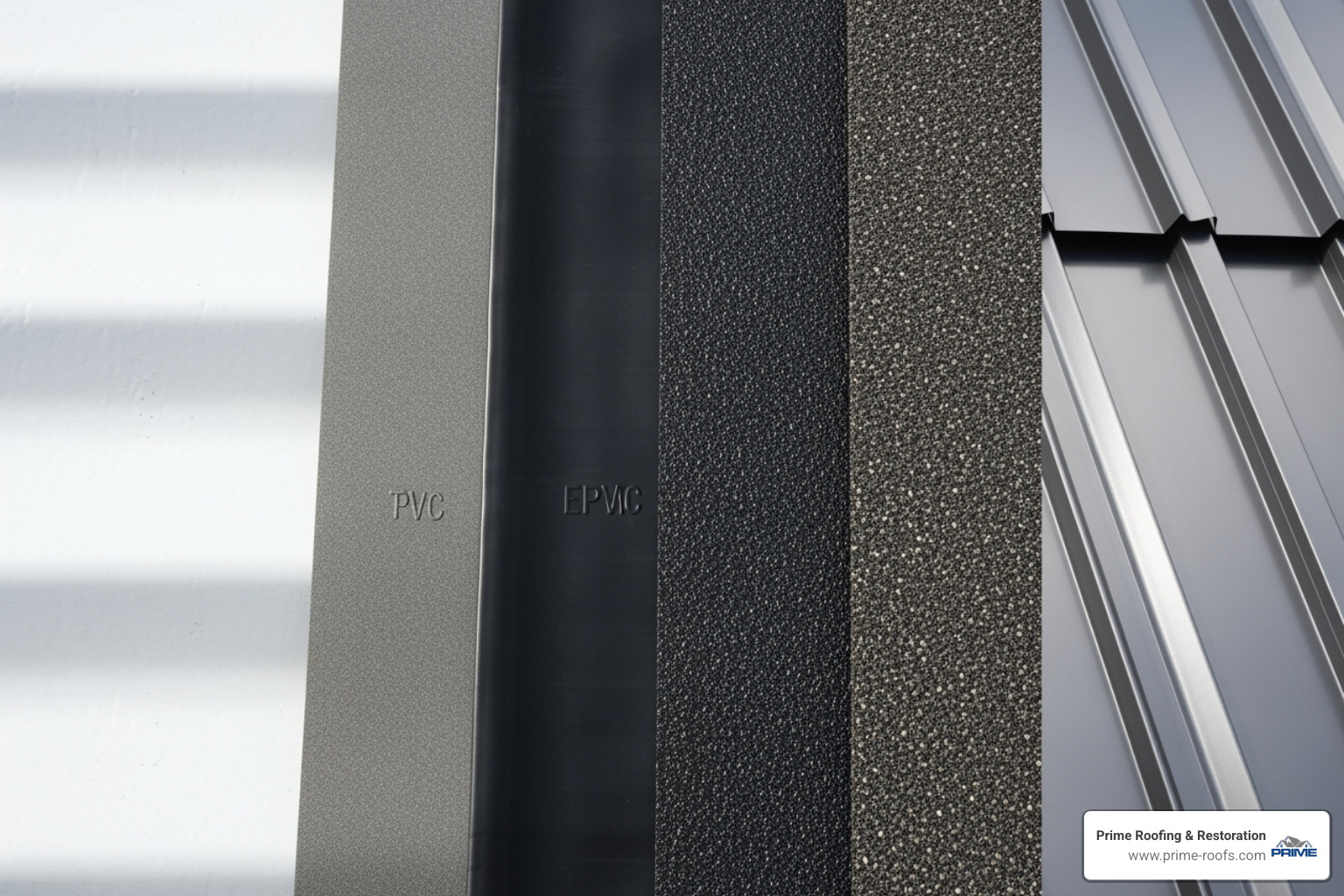
TPO (Thermoplastic Polyolefin) is a leading choice for modern commercial roofing. This single-ply white membrane provides excellent durability, UV resistance, and energy efficiency. It is available in various thicknesses (e.g., 45, 60, and 80 mil), with thicker membranes offering greater puncture resistance and longevity. Its heat-welded seams create a seamless, monolithic barrier that performs exceptionally well against intense sun and heavy rain. The highly reflective surface can significantly reduce cooling costs, making it an ENERGY STAR® rated material.
PVC (Polyvinyl Chloride) offers superior strength, flexibility, and chemical resistance. It is an ideal choice for facilities like restaurants, airports, and manufacturing plants that vent oils, greases, and other chemicals, as it resists degradation from animal fats and harsh substances. Like TPO, PVC membranes feature heat-welded seams for a watertight seal and can come with warranties of up to 30 years. Its inherent fire resistance is also a significant advantage.
EPDM (Ethylene Propylene Diene Monomer), commonly known as “rubber roofing,” is a durable synthetic rubber membrane known for its exceptional weather resistance and flexibility in extreme temperatures. While traditionally black and heat-absorbent, it can be manufactured in white or have a reflective coating applied to improve energy efficiency. EPDM systems can be installed in several ways: fully adhered, mechanically attached, or ballasted with stone or pavers. It is also valued for its ease of repair. Learn more in our Complete EPDM Commercial Roofing Guide.
Modified Bitumen is a multi-layer system that evolves traditional asphalt roofing. It consists of asphalt modified with polymers like SBS (styrene-butadiene-styrene) for enhanced flexibility and elasticity, or APP (atactic polypropylene) for increased UV resistance and longevity. It offers excellent waterproofing and durability against foot traffic, making it a solid choice for roofs with regular maintenance access or rooftop equipment.
Built-Up Roofing (BUR) is a time-tested system with over 160 years of use. It consists of multiple alternating layers of bitumen (asphalt) and reinforcing fabrics (plies), topped with a layer of aggregate like gravel or slag. This multi-layer construction creates exceptional waterproofing, UV protection, and fire resistance. Though heavier than single-ply options, its longevity and toughness are proven.
Metal Roofing provides exceptional longevity, often exceeding 40-50 years, along with superior wind, hail (often with a Class 4 rating), and fire resistance. Systems like standing seam metal offer both elite performance and aesthetic appeal, with concealed fasteners that protect against leaks. Available in steel, aluminum, and copper, modern metal roofs use advanced coatings like Kynar 500® to reflect solar radiation, making them highly energy-efficient.
Roof Coatings are liquid-applied membranes that extend the life of an existing roof. They form a seamless, protective layer that improves waterproofing, seals minor leaks, and boosts reflectivity. Silicone, acrylic, and polyurethane coatings offer a cost-effective alternative to a full replacement, often classified as a maintenance expense.
Key Factors for Choosing the Right System
Selecting the right commercial roofing system requires a careful assessment of several interconnected factors.
- Budget and Lifecycle Cost: Look beyond the initial installation price to the Total Cost of Ownership (TCO). Materials like metal or PVC may have a higher upfront cost but deliver better long-term value through extended lifespans, lower maintenance needs, and significant energy savings.
- Local Climate: In Alabama, intense solar radiation, high humidity, and severe storms demand materials that can withstand the elements. Reflective materials like white TPO, PVC, and coated metal excel at reducing heat absorption and can lower cooling costs by 10-30% in hot climates.
- Building Use and Foot Traffic: A warehouse prioritizes durability and low maintenance, while a visible retail space may require better aesthetics. Buildings with heavy foot traffic or extensive rooftop equipment (HVAC units, solar panels) need puncture-resistant membranes like 80-mil TPO or multi-ply modified bitumen.
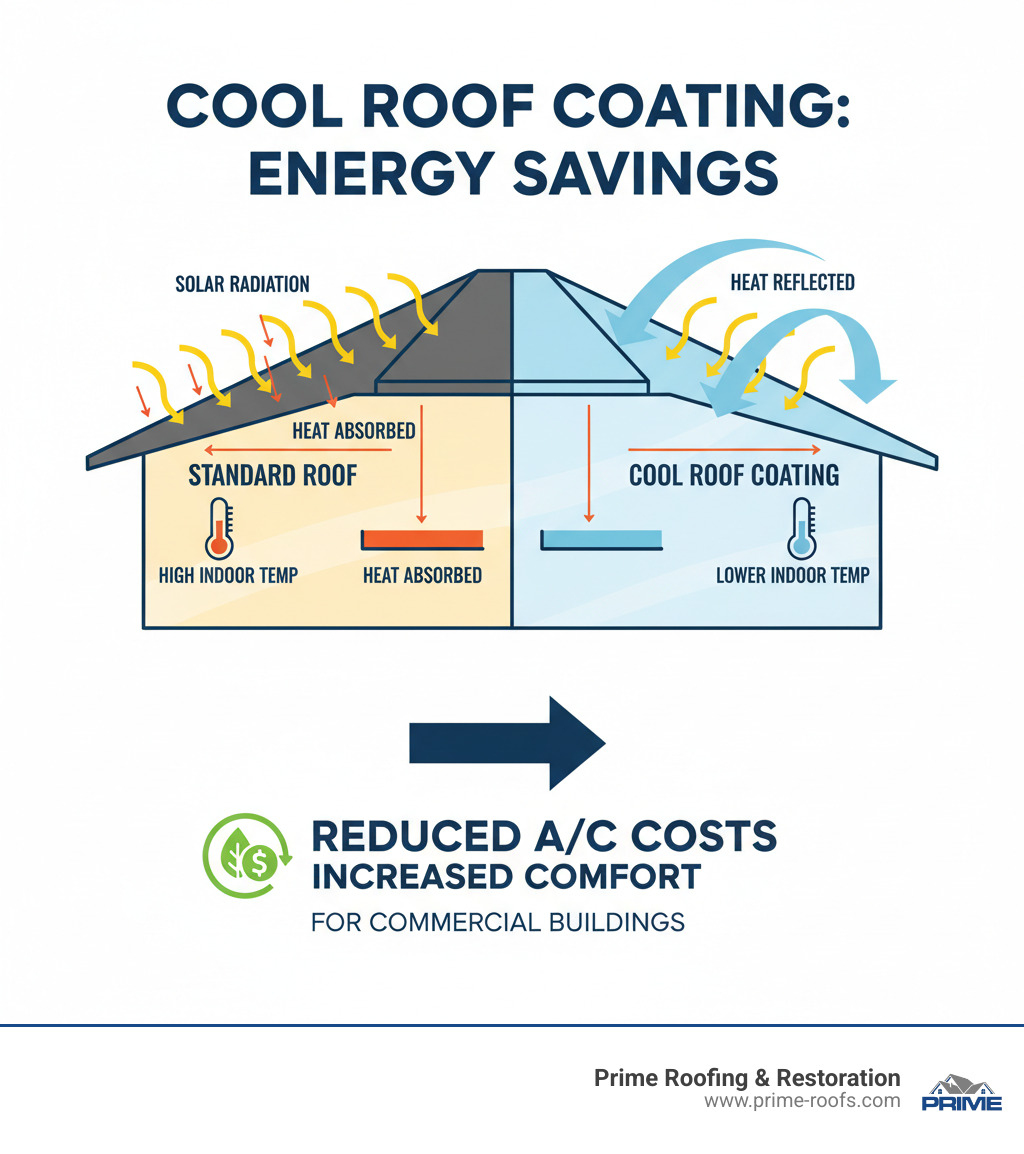
- Energy Efficiency: Cool roofing materials that reflect solar heat are a key driver in the commercial market. A cool roof can lower surface temperatures by 50-60°F, reducing strain on HVAC systems and contributing to a building’s sustainability goals.
- Maintenance Load: Systems vary in their maintenance needs. EPDM is known for being low-maintenance and easy to repair, while a BUR roof with a gravel surface can be more difficult to inspect for leaks. This should be factored into the TCO.
- Structural Load: Heavier systems like BUR or ballasted EPDM may require structural reinforcement, especially on older buildings. Lighter systems like TPO or PVC can often be installed on existing structures without costly modifications.
The Anatomy of a High-Performance Commercial Roof
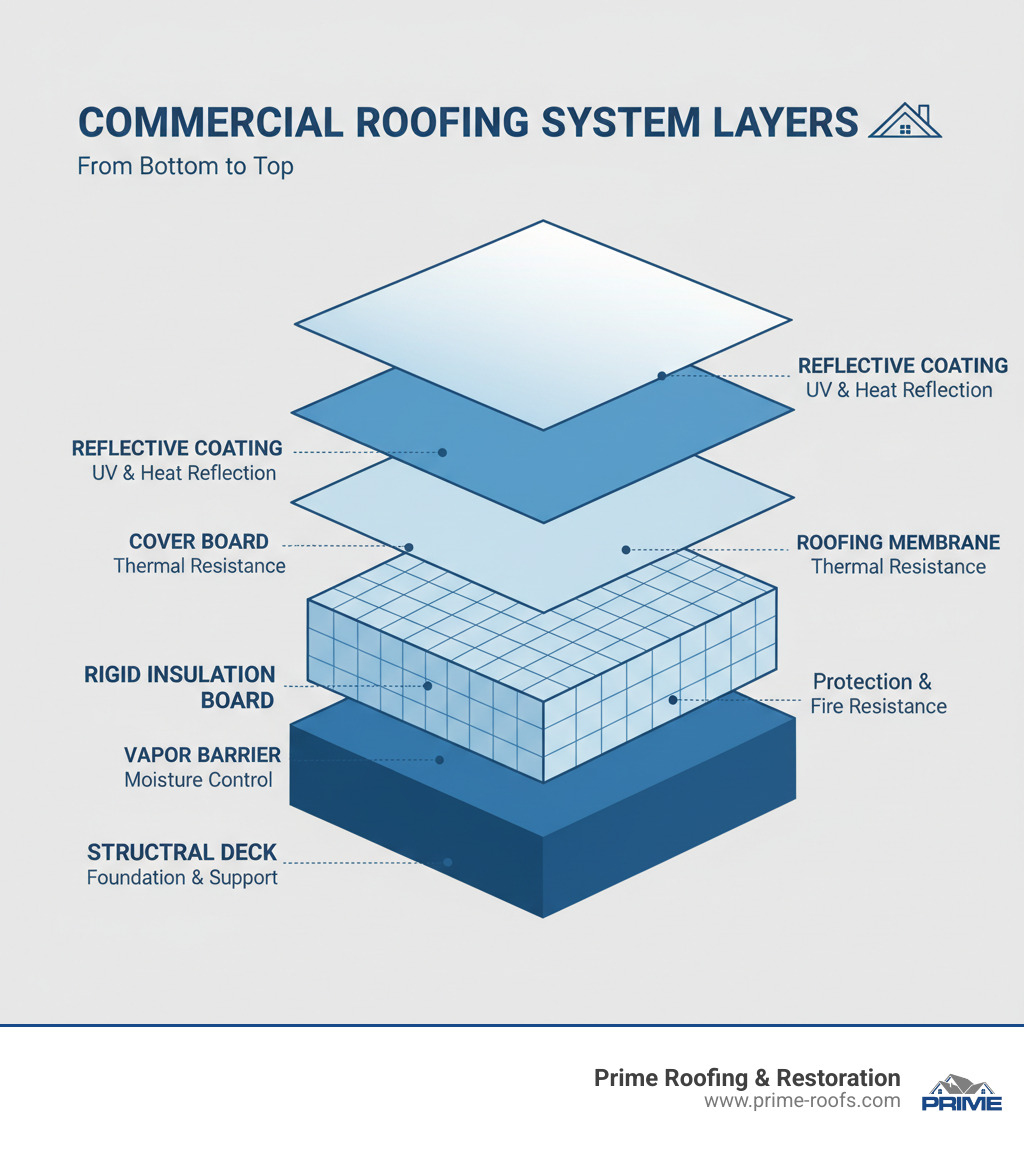
A commercial roof is a complex, engineered system of integrated components designed to provide structural support, thermal insulation, and robust weather protection. Understanding how each part functions is key to specifying a system that performs reliably for decades.
Essential Components Beyond the Membrane
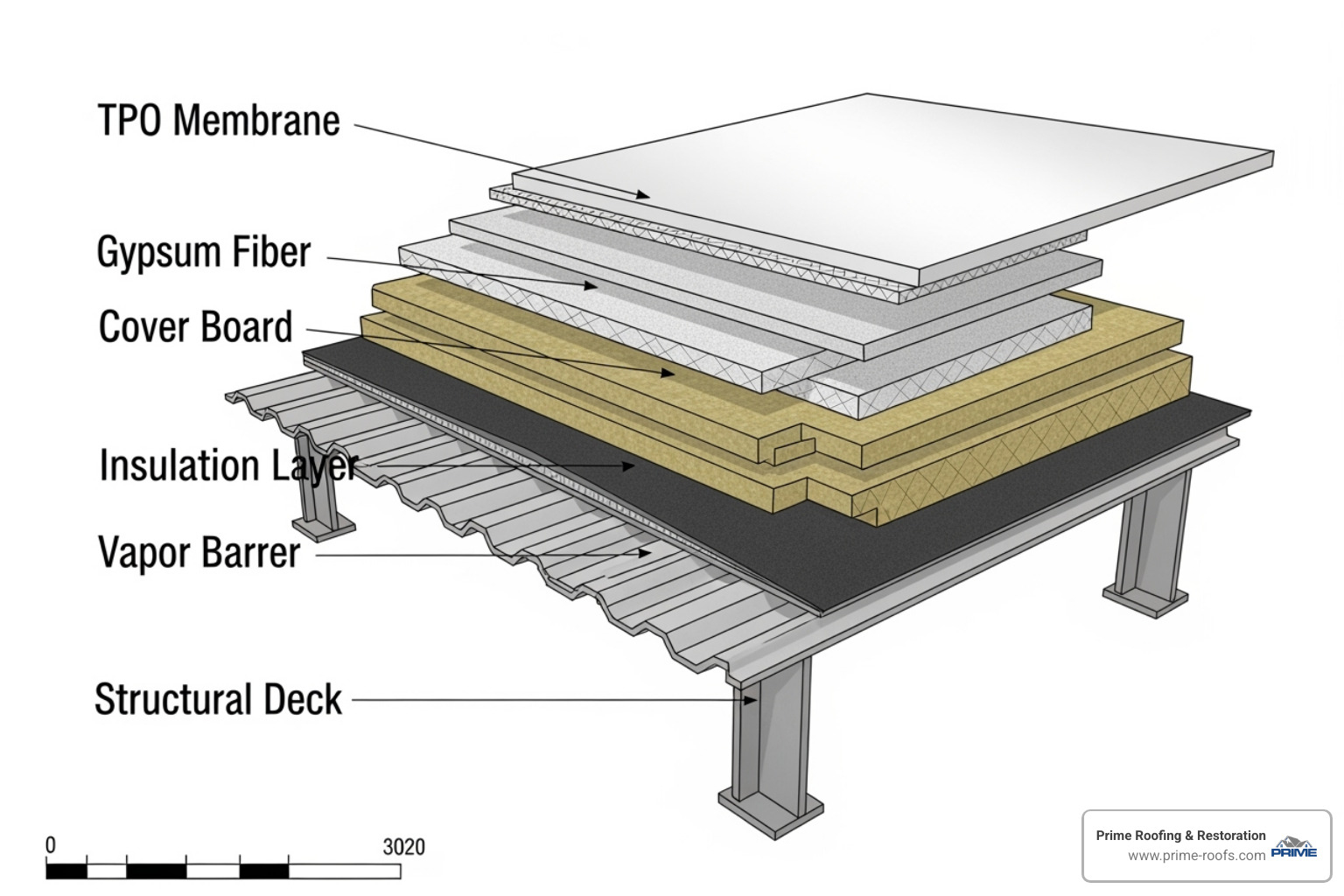
The visible membrane is only one part of a multi-layered assembly that must work in harmony.
- Roof Deck: The structural foundation of the entire system, typically made of steel, concrete, or wood. Its condition is paramount, as it must support the weight of the roofing system, rooftop equipment, and environmental loads like snow and rain.
- Insulation: Critical for energy efficiency and climate control. Polyisocyanurate (Polyiso) is the most common type, offering the highest R-value (a measure of thermal resistance) per inch. Tapered insulation systems are often designed to create a slight slope, promoting positive drainage and preventing ponding water.
- Cover Boards: Placed over the insulation and under the membrane, cover boards like high-density polyiso (SecurShield HD) or gypsum-based boards (DensDeck Prime) create a stable, rigid substrate. They protect the softer insulation from impact damage (hail, foot traffic), provide a better surface for membrane adhesion, and significantly enhance the system’s fire resistance.
- Attachment Method: The method used to secure the insulation and membrane is critical for wind uplift resistance. Systems can be fully adhered with adhesives, mechanically attached with plates and fasteners, or ballasted. Proper fastening patterns, calculated with tools like the CSA Wind Uplift Tool and designed to meet ASCE 7 standards, are essential in storm-prone areas like Alabama, with special attention paid to perimeter and corner zones where wind forces are highest.
- Vapor Barrier: In certain buildings, especially in cold climates or high-humidity environments like indoor pools, this layer is installed below the insulation to prevent internal moisture from migrating into the roofing assembly and compromising the insulation’s R-value.
- Flashing and Edge Metal: These components create a waterproof seal at the most vulnerable points: perimeters, walls, pipes, vents, and rooftop curbs. Failed flashing is one of the most common sources of roof leaks, making expert installation absolutely critical.
The Role of Roof Coatings and Modern Innovations
Roof coatings are a strategic investment to extend roof life, restore performance, and improve energy efficiency.
- Silicone Coatings: Excel in resisting ponding water, making them ideal for truly flat or low-slope roofs with drainage issues. They are highly reflective, UV stable, and can be applied over most existing roof types, including TPO, EPDM, and metal.
- Acrylic Coatings: A cost-effective, water-based option for enhancing UV protection and reflectivity. They are best suited for roofs with positive drainage and are particularly effective when applied over asphaltic or metal roofs.
A reflective coating can add 10-20 years to a roof’s life and reduce surface temperatures by up to 50-70 degrees, leading to significant energy savings on cooling costs and reducing the urban heat island effect.
Modern innovations are also revolutionizing the industry. Prefabricated roofing systems arrive on-site with up to 85% of seams completed in a controlled factory environment, ensuring higher quality and dramatically faster installation. Drone inspections equipped with high-resolution thermal imaging can quickly and safely identify hidden moisture intrusion across vast roof areas without destructive testing. The newest technology, smart roofing sensors, provides real-time, 24/7 monitoring of moisture and temperature within the roof assembly, enabling proactive maintenance by sending alerts to building managers before a small issue becomes a catastrophic failure.
Lifecycle Management: Commercial Roof Maintenance, Repair, and Replacement
Your commercial roofing system is a dynamic asset that requires proactive management to maximize its lifespan and prevent costly, disruptive failures. A clear strategy for routine maintenance, timely repairs, and eventual replacement protects your building, your tenants, and your bottom line.
Common Issues and How to Address Them
Most common roofing problems are preventable or can be affordably fixed when caught early through regular inspections.
- Leaks and Moisture Intrusion: Often originating from failed seams, damaged flashing, or punctures, leaks can cause significant structural damage, ruin insulation, and promote mold growth. Professional inspections using tools like infrared thermography are crucial for locating the true source of water entry, which may be far from where the leak appears inside. Specialists who address the root cause—not just applying a temporary patch—are essential for durable repairs.
- Ponding Water: Water that remains on a roof for more than 48 hours is a major red flag. It accelerates material degradation, adds significant weight stress to the structure, and can void manufacturer warranties. Solutions include clearing blocked drains, adding new drains or scuppers, or installing a tapered insulation system to create a proper slope.
- UV Degradation: Intense sun breaks down roofing materials over time, causing chalking, crazing, and cracking. Reflective membranes and coatings are the first line of defense, but regular inspections can spot signs of aging early, allowing for restorative measures before the membrane is compromised.
- Blistering and Cracking: These often signal trapped moisture within the roof assembly or material aging. While a few small blisters may be repaired, widespread blistering is a serious condition that may indicate systemic failure and the need for replacement.
- Punctures and Membrane Damage: Foot traffic from maintenance personnel, dropped tools, hail, or wind-blown debris can create direct entry points for water. These require immediate repair with compatible materials to prevent water from saturating the underlying insulation.
Key Considerations for Your Commercial Roofing Maintenance Plan
A proactive commercial roof maintenance program is the single most effective way to extend a roof’s lifespan and can reduce its lifecycle cost by up to 50%.
- Scheduled Inspections: At least two professional inspections per year (in the spring to assess winter damage and in the fall to prepare for colder weather), plus an inspection after any severe weather event, are recommended to catch minor issues early.
- Debris Removal: Regularly clearing leaves, branches, dirt, and other debris prevents them from clogging drainage systems and trapping moisture against the membrane, which leads to premature deterioration.
- Gutter and Drain Cleaning: Ensuring all drains, scuppers, and gutters are clear and functional is critical for preventing ponding water, the leading cause of premature roof failure.
- Seam and Flashing Checks: A detailed inspection should focus on the roof’s most vulnerable areas—seams, flashing around penetrations (pipes, vents, HVAC units), and edge metal—where most leaks begin.
- Maintenance Log: Documenting all inspections, repairs, and maintenance activities provides a valuable history for forecasting future needs, managing budgets, and supporting warranty claims.
Repair vs. Restore vs. Replace: Making the Right Call
Deciding the best course of action for an aging or damaged roof should be based on a factual, data-driven assessment.
- Damage Extent: If damage is localized and affects less than 25% of the roof surface, targeted repairs are often the most practical solution.
- Roof Age & Condition: If a roof is approaching the end of its typical 20-30 year lifespan, replacement is often the wiser long-term investment, as underlying components like insulation are also likely aging and inefficient.
- Roof Restoration: For a roof that is structurally sound but showing signs of surface wear, a roof restoration using a liquid-applied coating can be an excellent middle ground. It restores the roof to a waterproof, energy-efficient condition for a fraction of the cost of a full replacement and can often be expensed as a maintenance item.
- Cost-Benefit Analysis: Compare the long-term cost of ongoing repairs against the investment in a new roof or restoration. A new roof includes benefits like improved energy efficiency, a comprehensive new warranty, and increased property value that must be factored into the equation.
Why Professional Expertise is Non-Negotiable for Your Commercial Roofing Project
The performance and longevity of even the best roofing materials depend entirely on the quality of the installation. Hiring a qualified, experienced, and properly insured commercial roofing contractor is the single most important decision you will make for your project. The risks associated with improper installation are simply too high.
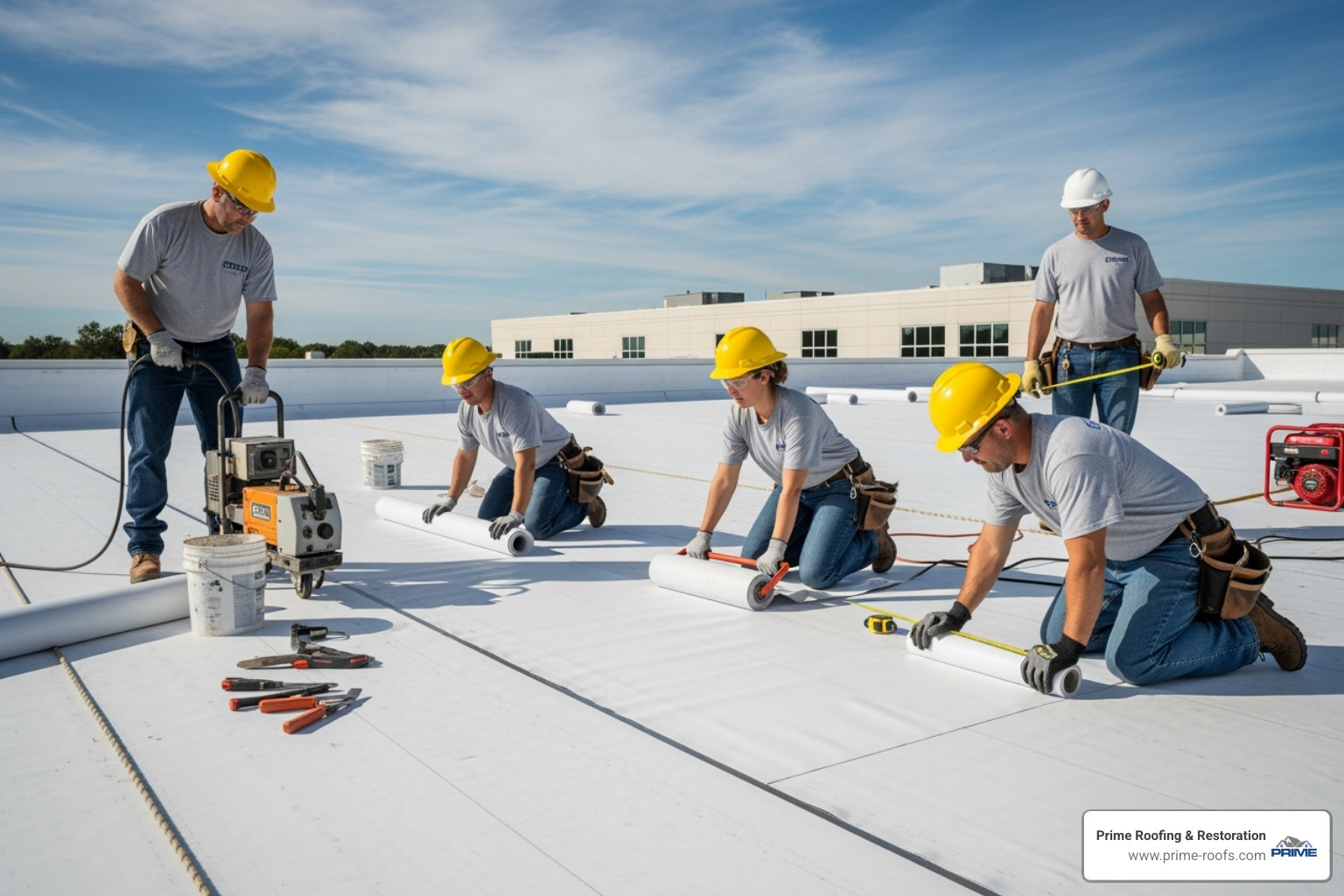
Benefits of a Qualified Commercial Roofing Contractor
Cutting corners on contractor selection to save a small percentage on the initial bid often leads to catastrophic long-term problems that cost many times more to fix. The benefits of hiring a true professional are clear:
- Proper Installation & Workmanship: Certified professionals possess the specialized training, proprietary tools, and deep experience required for each unique roofing system. They ensure that details like seam welding temperatures, fastener patterns, and flashing terminations are executed flawlessly to prevent premature failure.
- Adherence to Manufacturer Specifications: A valid manufacturer’s warranty is contingent upon strict adherence to installation guidelines. Reputable contractors hold elite-level certifications from leading manufacturers like GAF, Johns Manville, and Carlisle, ensuring your roof is installed precisely as engineered. For complex questions, you can even book a virtual meeting with a roofing science expert.
- Comprehensive Safety Compliance: Professional contractors operate under a strict safety culture, adhering to all OSHA regulations, including fall protection standards (1926.501). They carry adequate general liability and workers’ compensation insurance, protecting their crew, your property, and your business from liability in the event of an accident.
- Efficiency and Minimal Disruption: An experienced team minimizes business disruption by meticulously planning project logistics, managing material deliveries, and executing the project efficiently. They maintain a clean, safe work zone to ensure your operations can continue with minimal impact.
Understanding Warranties and Code Compliance
Navigating warranties and building codes is a complex task that requires an expert partner to safeguard your investment.
- Warranty Types: It’s crucial to have both a manufacturer’s material warranty (covering defects in the roofing products) and a contractor’s workmanship warranty (covering installation errors) for complete protection. The latter is often the most critical, as most roof failures are due to installation, not material defects.
- NDL Warranties: A No-Dollar-Limit (NDL) warranty is the gold standard in commercial roofing. This is a comprehensive manufacturer’s warranty that covers 100% of repair or replacement costs, including materials and labor, for the full term (e.g., 20-30 years) without depreciation. These are only available through certified, top-tier contractors.
- Local Building Codes: An experienced contractor is essential for navigating the web of local and international codes, including the International Building Code (IBC) and International Energy Conservation Code (IECC). This ensures every project, such as those for commercial roofing in Alabaster, AL, is fully compliant with regulations for wind uplift, fire safety, and insulation R-value.
- Safety Ratings and Wind Uplift: Codes mandate specific wind uplift and fire ratings based on a building’s location, height, and use. According to FEMA, proper installation is required to ensure these ratings provide real-world protection against severe weather.
- Fire Risk Mitigation: To avoid catastrophic fire hazards associated with torch-applied methods, as documented by the NRCA, prioritizing mechanically fastened or cold-adhered systems is a safer approach that protects the property and personnel during installation.
Frequently Asked Questions about Commercial Roofing
How long does a commercial roof typically last?
A commercial roof’s lifespan varies by material, but most modern single-ply systems like TPO, PVC, and EPDM last 20 to 30 years. Metal roofs can last 40-50 years or more. The single most critical factor in maximizing this lifespan is a consistent, professional commercial roof maintenance program that addresses minor issues before they become major problems.
How much does a new commercial roof cost?
The cost depends on many variables: the material chosen, building size and height, the condition of the existing roof (requiring a full tear-off vs. a recover), the thickness and type of insulation, site accessibility, and the level of warranty desired. On average, single-ply systems like TPO and EPDM range from $7 to $13 per square foot installed. An accurate price requires a detailed, on-site inspection and quote from a qualified contractor for your specific project.
What are “cool roofs” and are they worth it in Alabama?
A cool roof uses highly reflective materials (typically white membranes or coatings) to deflect sunlight and absorb less heat. This can lower a roof’s surface temperature by 50-60°F, which in turn can reduce a building’s interior temperature and cut air conditioning costs by 10-30%. In a hot, humid climate like Alabama’s, the energy savings often provide a rapid return on investment, making them a very worthwhile upgrade.
What is the difference between commercial and residential roofing?
The primary differences lie in the roof slope and materials. Residential roofs are typically steep-sloped and use materials like shingles. Commercial roofs are usually low-slope or flat, requiring monolithic, waterproof membrane systems like TPO, PVC, or EPDM to manage water. Commercial projects also involve more complex drainage systems, structural considerations, and code requirements.
Can a commercial roof be installed over an existing roof?
This process, called a “recover” or “overlay,” is sometimes possible. It can save on the cost and time of a full tear-off. However, building codes typically limit a roof to a maximum of two layers. A professional contractor must first perform a thorough inspection, including core samples, to ensure the underlying structure and existing roof are dry, stable, and suitable for a recover.
What are the benefits of prefabricated roofing systems?
Prefabricated roofing systems offer superior quality control because up to 85% of the critical seams are welded in a controlled factory environment, not on a windy, dusty rooftop. This leads to a more reliable, consistent final product. On-site benefits include reduced labor costs, less material waste, significantly faster installation, and minimal disruption to business operations.
Your Partner for Durable and Reliable Commercial Roofing
Choosing, installing, and maintaining a commercial roofing system is a critical decision that directly impacts your building’s safety, operational efficiency, and your business’s bottom line. From selecting the right materials for Alabama’s climate to developing a proactive maintenance plan that maximizes ROI, prioritizing quality and professional expertise ensures your investment is protected for decades to come.
For a comprehensive assessment of your property’s needs in Alabaster, AL, and the surrounding areas, trust a team of licensed, insured, and certified experts. We are committed to providing transparent advice and superior workmanship to protect your biggest asset.
Contact Prime Roofs Today
Ready to secure your property with a durable, high-performance roof? Schedule your complimentary, no-obligation roof assessment with our team of commercial roofing specialists. We’ll provide a detailed analysis of your current roof’s condition and a clear, data-driven plan for repair, restoration, or replacement.
Prime Roofs
Address: 123 Main Street, Alabaster, AL 35007
Phone: (205) 555-1234
Call us today at (205) 555-1234 or visit our website to schedule your consultation and take the first step toward long-term peace of mind.