
Why Your Home Deserves More Than Just a Roof Over Your Head
Residential roofing solutions are the complete, integrated systems, materials, and expert services designed to protect your home from the elements while enhancing its value, energy efficiency, and curb appeal. For homeowners across Central and Coastal Alabama, from Alabaster to Orange Beach, selecting the right solution is a critical decision. It involves a deep understanding of your material options, recognizing the signs for repair versus replacement, and partnering with qualified, certified professionals who guarantee lasting quality.
Quick Overview of Residential Roofing Solutions:
- Materials: A wide range including asphalt shingles (3-tab, architectural, impact-resistant), standing seam metal, tile, and advanced synthetic/composite options.
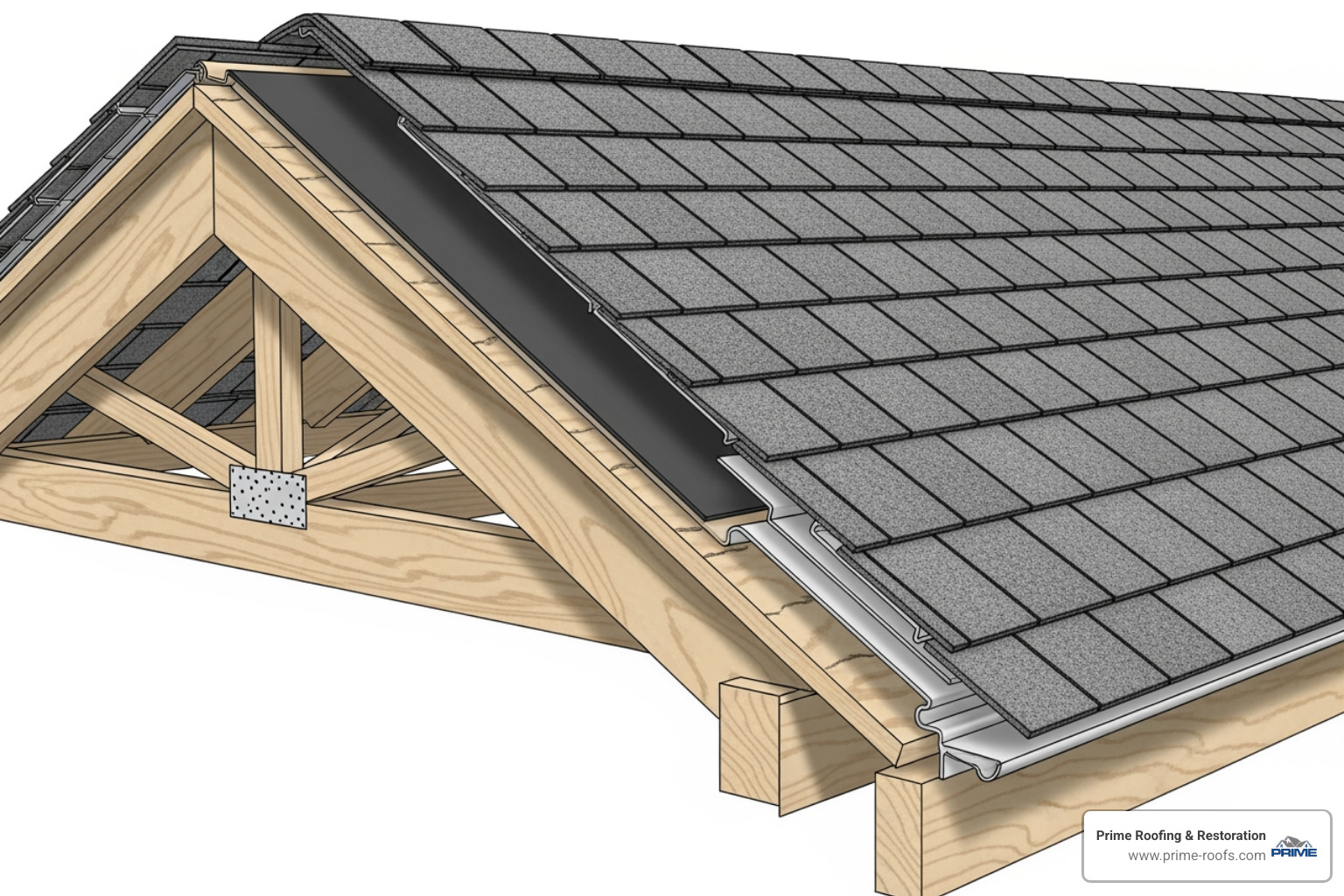
- System Components: A holistic system including the roof deck, synthetic underlayment, ice and water shields, starter shingles, field shingles, flashing, a balanced ventilation system, and gutters.
- Lifespan: Varies from 15-20 years for basic asphalt shingles to 50+ years for premium materials like metal or tile.
- Average Cost: Typically $7,500-$20,000+ for a full replacement, highly dependent on home size, roof complexity, and material selection.
- Key Services: New roof installation, full roof replacement, storm damage repair, routine maintenance programs, and comprehensive insurance claim assistance.
- Critical Factors: The quality of materials, precision of professional installation, proper attic ventilation, and a commitment to regular maintenance.
Valued at $13.1 billion in 2022 and projected to grow 5.2% annually, the U.S. roofing market underscores how vital homeowners consider this protective asset. Yet, many feel overwhelmed when faced with roofing decisions, navigating a complex landscape of material choices, contractor vetting, and significant costs.
Your roof is far more than just a layer of shingles; it’s a meticulously engineered system where every component must work in harmony to shield your home from Alabama’s demanding climate. Our state sees everything from intense summer sun and humidity to high winds from tropical systems and severe hail storms. According to NOAA data, Alabama experiences dozens of severe hail and wind events annually. When these storms hit, your roofing system is the only thing standing between the elements and your home’s interior. Its performance—or failure—can have costly consequences.
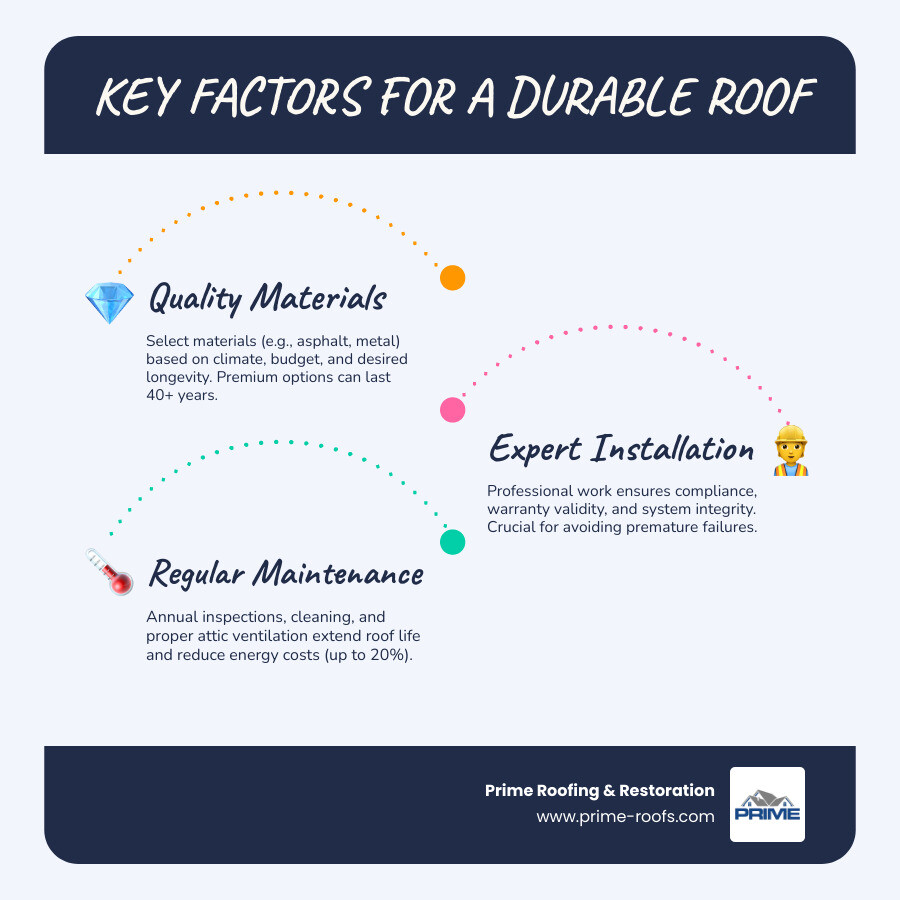
Understanding what constitutes a superior roofing solution is paramount. The difference between a roof that fails in 15 years and one that provides robust protection for 30 or more often lies in three key areas: superior material selection, expert installation that meets or exceeds manufacturer specifications, and proactive maintenance. While asphalt shingles account for 70-80% of residential roofs, many homeowners default to the most basic option without exploring advanced solutions that offer better long-term value and protection for their specific needs.
Premature roof failure is most often caused by storm damage, natural aging, and, unfortunately, poor installation. A detail as critical as proper attic ventilation can reduce energy costs by up to 20% and significantly extend your roof’s life, yet it is one of the most frequently overlooked aspects of a roofing project. These details are what separate an adequate roof from an exceptional one.
Whether you’re dealing with the aftermath of a storm, planning a necessary replacement, or simply seeking to understand your options for a future project, this guide is designed to provide the clarity you need. We will deconstruct the modern roofing system, compare the latest materials, clarify the repair vs. replacement dilemma, and empower you to select a top-tier contractor. If you’re ready to explore your options with a trusted local professional, Prime Roofing & Restoration offers comprehensive residential roofing solutions backed by certified workmanship and an A+ BBB rating.
I’m Bill Spencer, Owner of Prime Roofing & Restoration. For over five years, I’ve dedicated myself to helping homeowners in Alabaster, Orange Beach, and the surrounding communities navigate complex and often stressful roofing decisions. My experience has consistently shown that an informed homeowner is an empowered homeowner, and this guide is our commitment to ensuring you make the best possible choice for your home.
Understanding the Anatomy of a Modern Roofing System
A modern residential roof is a sophisticated, multi-layered system engineered for maximum protection, longevity, and energy efficiency. Each component—from the unseen roof deck to the visible shingles—plays a critical, interconnected role in keeping your home dry, structurally sound, and comfortable. A failure in even one part can compromise the entire system, leading to leaks, mold, and costly collateral damage. Understanding this anatomy is the first step for any homeowner making an informed decision about their roof.
Let’s break down the key components of a comprehensive residential roofing system and explain why each one is indispensable for protecting your Alabama home:
- Roof Deck (or Sheathing): This is the structural foundation of your roof, typically made of plywood or Oriented Strand Board (OSB), which is fastened to your home’s trusses or rafters. It provides the solid, continuous surface to which all other roofing components are attached. A sound deck is non-negotiable. During a replacement, we inspect it for water damage, rot, or delamination. Any compromised sections must be replaced to ensure proper fastener holding power and structural integrity for the new roof.
- Underlayment: Applied directly over the roof deck, the underlayment is your roof’s crucial secondary barrier against moisture. While traditional asphalt-saturated felt was the standard for decades, modern synthetic underlayments offer vastly superior performance. They are significantly more tear-resistant, provide better traction for installers (a key safety feature), and can be left exposed to UV rays for longer periods if necessary. This layer is your failsafe against leaks from wind-driven rain. Learn more in our guide to synthetic vs. felt underlayment.
- Leak Barriers (Ice & Water Shield): This is a specialized, self-adhering waterproof membrane installed in the most vulnerable areas of your roof. These include valleys (where large volumes of water are channeled), eaves (to protect against ice dams), and around all penetrations like chimneys, skylights, and vents. It seals directly to the roof deck and around fasteners, creating a watertight gasket that prevents leaks from severe wind-driven rain and water backup—a critical feature for weathering coastal storms and intense downpours.
- Shingles (or other primary roofing material): This is the outermost layer and your home’s first line of defense against the elements. Shingles are designed to shed water, resist uplift from high winds, block damaging UV radiation, and withstand impacts from hail and debris. Beyond their functional role, they define your home’s aesthetic. We’ll explore the different types in detail in the next section.
- Flashing: Flashing consists of custom-formed pieces of metal (typically aluminum or galvanized steel) installed at every transition and penetration point on the roof. This includes step flashing along walls, counter-flashing on chimneys, and flashing around vents and skylights. Its sole purpose is to direct water away from these critical junctures, which are the most common sources of roof leaks. Properly installed flashing is a hallmark of a professional roofing job; poorly done flashing is a guarantee of future problems.
- Ventilation: A balanced ventilation system, consisting of intake vents (at the lower part of the roof, like soffits) and exhaust vents (at or near the peak, like ridge vents), is the lungs of your roof. It allows for a continuous flow of air through the attic space, which is vital for regulating temperature and moisture. A well-ventilated attic extends the life of your shingles, improves your home’s energy efficiency, and prevents moisture-related issues like mold and rot. We will cover this critical topic in more detail later.
- Gutters & Downspouts: While technically a separate system, gutters are an essential partner to your roof. They collect the immense volume of rainwater shed by the roof and safely channel it away from your home’s foundation. Without a properly functioning gutter system, you risk foundation damage, soil erosion, basement flooding, and damage to your siding and landscaping.
A truly resilient roof is one where all these parts are installed as an integrated system. Manufacturers like CertainTeed, with their Integrity Roof System™, emphasize this approach, ensuring all components are designed and tested to work together for optimal performance, durability, and long-term protection. Think of it as a team where every player must execute their role perfectly for the team to win.
A Homeowner’s Guide to Residential Roofing Materials
Selecting the right roofing material is one of the most impactful decisions you’ll make for your home’s protection and appearance. The ideal choice is a balance of your budget, aesthetic goals, and the specific demands of your local climate—in Alabama, that means accounting for high humidity, intense sun, and the potential for severe storms. While standard asphalt shingles are the most prevalent option, covering up to 80% of U.S. homes due to their affordability, a wide array of advanced materials offers superior durability, longevity, and long-term value.
Let’s explore the primary types of residential roofing materials available and their respective pros and cons to help you make an informed choice.
- Asphalt Shingles: The go-to choice in North America, available in several grades.
- 3-Tab Shingles: The most basic and economical option, characterized by a flat, uniform appearance.
- Pros: Lowest initial cost, widely available, easy to install.
- Cons: Shorter lifespan (15-20 years), lower wind resistance (typically 60 mph), and a less dimensional look.
- Architectural (Laminate) Shingles: The most popular choice today. These are thicker, heavier, and constructed with multiple layers to create a rich, dimensional appearance that mimics natural materials like wood or slate. Products like GAF Timberline HDZ® or CertainTeed Landmark® PRO are industry leaders.
- Pros: Excellent aesthetic appeal, much longer lifespan (often 30-50 years with lifetime limited warranties), higher wind resistance (up to 130 mph), and better overall value than 3-tab.
- Cons: Higher initial cost than 3-tab, heavier weight.
- Impact-Resistant Shingles (Class 4): A premium grade of architectural shingle engineered with a reinforced, rubberized asphalt formula to withstand hail and impact. This is a wise investment for storm-prone areas and may qualify for significant discounts on your homeowner’s insurance policy.
- Pros: Highest level of protection against hail and debris, potential for annual insurance premium savings, maximum durability and longevity.
- Cons: Higher upfront cost compared to standard architectural shingles.
- Explore our asphalt shingle roofing services to see these options.
- 3-Tab Shingles: The most basic and economical option, characterized by a flat, uniform appearance.
- Metal Roofing: A rapidly growing category known for its exceptional durability and modern aesthetic. Available in standing seam panels or shingle-style profiles.
- Pros: Exceptional lifespan (50+ years), superior resistance to wind, fire, and impact. Highly energy-efficient due to its ability to reflect solar radiant heat, which can lower cooling costs. It’s also lightweight and made from recyclable materials.
- Cons: Higher upfront investment, requires specialized installers for proper installation, can be noisy during rain if not installed over a solid deck with proper underlayment.
- Learn more about our metal roofing solutions.
- Tile Roofing (Clay or Concrete): Offers a distinctive Mediterranean or Spanish style, ideal for specific architectural designs in warmer climates.
- Pros: Extremely long lifespan (50-100+ years), Class A fire rating, excellent insulating properties, and a unique, premium aesthetic.
- Cons: Very heavy, often requiring structural reinforcement of the roof deck. Brittle and can crack if walked on improperly. High initial cost and requires highly specialized installation expertise.
- Synthetic/Composite Roofing: A high-end category designed to realistically mimic the look of natural slate or wood shakes without the associated drawbacks.
- Pros: Replicates premium materials with stunning accuracy. Extremely durable, often with a Class 4 impact rating and Class A fire rating. Lightweight, low-maintenance, and often comes with a 50-year or lifetime warranty.
- Cons: Premium price point, often comparable to or higher than metal roofing.
We understand that choosing the right material is a major decision. Our team is here to walk you through the options, providing physical samples and clear cost-benefit analyses to help you select the perfect roof for your home in Alabaster or Orange Beach. For more objective information, the National Roofing Contractors Association (NRCA) offers excellent consumer resources.
Lifespan and Maintenance of Different Materials
Your roof’s actual lifespan is a function of the material quality, the installation expertise, and your commitment to maintenance. Standard asphalt shingle roofs last 15 to 30 years, while premium architectural shingles can protect your home for up to 40 years or more. Metal, tile, and composite roofs can boast lifespans of 50 years or even longer with proper care.
Regular maintenance—including annual professional inspections, prompt repairs, and keeping gutters clean—is the key to maximizing that lifespan and preventing small issues from becoming catastrophic failures. A neglected 30-year shingle roof might only last 15-20 years.
Here’s a quick comparison of common residential roofing materials:
| Material Type | Typical Lifespan | Average Cost (per sq ft installed) | Pros | Cons |
|---|---|---|---|---|
| 3-Tab Asphalt Shingles | 15-20 years | $3.50 – $5.50 | Most affordable initial cost, easy to install | Shorter lifespan, low wind resistance, flat appearance, poor long-term value |
| Architectural Asphalt Shingles | 25-40 years | $4.50 – $7.50 | Great value, dimensional look, high wind resistance, long warranty | Higher cost than 3-tab, susceptible to granule loss over decades |
| Impact-Resistant Shingles | 30-50 years | $5.50 – $9.00 | Excellent hail/impact resistance, potential insurance savings, maximum durability | Higher initial investment |
| Metal Roofing (Standing Seam) | 40-70+ years | $9.00 – $18.00 | Extremely durable, energy-efficient, fire/wind resistant, low maintenance, long lifespan | High upfront cost, requires specialized installation expertise |
| Clay/Concrete Tiles | 50-100+ years | $12.00 – $25.00+ | Very durable, fire-resistant, excellent insulation, unique aesthetic | Very heavy (may need structural reinforcement), brittle, high cost, complex installation |
| Composite/Synthetic Shingles | 50+ years | $10.00 – $20.00+ | Mimics slate/wood, highly durable, lightweight, low maintenance | Premium price point, requires specialized installers |
Note: Costs are estimates for 2023/2024 and can vary significantly based on location, roof complexity, contractor, and specific product choices.
When to Repair vs. Replace: Key Signs and Common Damage Causes
Recognizing when your roof needs attention is crucial for preventing minor issues from escalating into major structural damage and costly emergency replacements. The decision to repair a small area versus investing in a full comprehensive roof replacement depends on the age of the roof, the extent of the damage, and your long-term goals for the property.
Here are the common signs that indicate your residential roof needs professional assessment:
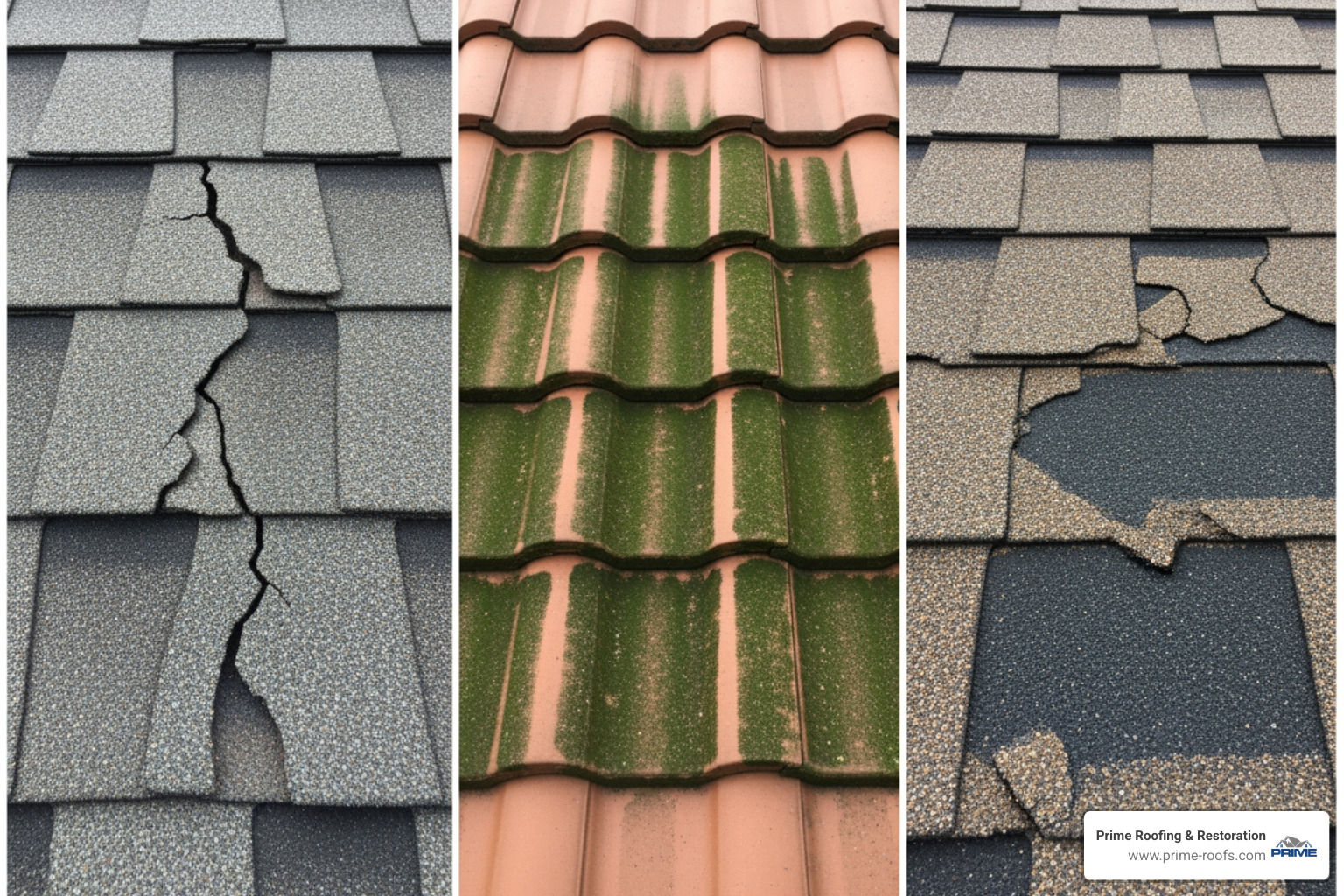
- Curling, Cracking, or Missing Shingles: Shingles that are lifting at the edges (curling), have visible cracks, or are completely missing are clear signs of an aging or damaged roof. These breaches compromise the roof’s ability to shed water, creating entry points for leaks.
- Significant Granule Loss: You may notice an accumulation of asphalt granules, which look like coarse black sand, in your gutters and downspouts. These granules protect the shingle from UV rays. Excessive loss indicates the shingles are nearing the end of their life and are becoming brittle.
- Leaks & Interior Water Stains: Any sign of water intrusion, such as stains on your ceiling or walls, peeling paint near the roofline, or active drips, is an undeniable red flag. Even a small leak can lead to widespread mold growth, rotted framing, and ruined insulation over time.
- Sagging Roof Deck: A visible dip, bow, or sagging in your roofline is a serious structural concern. It often points to water-damaged or rotted roof decking or, in worst-case scenarios, compromised rafters. This requires immediate professional inspection.
- Algae, Moss, or Mold Growth: While black streaks from algae (Gloeocapsa magma) are primarily a cosmetic issue common in humid climates like Alabama, thick moss growth is more serious. Moss traps moisture against the shingle surface, accelerating deterioration and leading to granule loss.
- Sudden Spike in Energy Bills: If your heating or cooling costs unexpectedly increase, it can be a symptom of a failing roof system. This could be due to poor attic ventilation, degraded insulation from moisture, or air leakage through a compromised roof structure.
- Age of the Roof: If your asphalt shingle roof is over 20 years old, it’s living on borrowed time. Even if it looks okay from the ground, it’s wise to budget for a replacement and have it professionally inspected annually.
Common Causes of Roof Damage in Alabama
Most residential roof damage stems from severe weather, natural aging, or improper installation. In Alabama, we frequently see damage from:
- Storm Damage: High winds can lift and crease shingles, breaking the sealant bond and leaving them vulnerable. Hail can cause bruising or cracking, often creating latent damage that isn’t visible from the ground but leads to leaks months later. Fallen tree limbs can cause punctures and structural harm. These are the most common reasons for needing emergency roof repair services.
- Aging and UV Exposure: Over years of exposure to intense sun, rain, and temperature cycles, roofing materials naturally break down. Shingles become brittle, sealants fail, and the entire system loses its flexibility and water-shedding capabilities.
- Poor Installation: A roof installed with subpar workmanship is destined for premature failure. Common mistakes include improper nailing (high nails, under-driven nails), inadequate flashing installation, failure to use a starter strip, and poor ventilation, all of which can cause leaks and void material warranties.
The Repair vs. Replace Calculation: The 50% Rule
A good rule of thumb used in the roofing industry is the “50% Rule.” If the cost of repairs is approaching 50% or more of the cost of a full replacement, or if more than 30-50% of your roof is damaged, a replacement is almost always the more cost-effective long-term solution. Patching an old, failing roof is often a temporary fix, and you may find yourself chasing leaks across different sections of the roof over time. A full replacement provides a comprehensive, long-lasting solution with a new warranty for total peace of mind.
The Importance of Professional Residential Roofing Solutions
While the idea of a DIY roof repair might seem like a way to save money, roofing is a complex and hazardous trade that should be left to trained, insured, and certified professionals. A professional installation is not just about nailing shingles; it’s about ensuring every component of the roofing system is installed in compliance with strict manufacturer specifications and local building codes. This meticulous approach is essential for ensuring safety, long-term performance, and access to the best available warranties.
Why Attic Ventilation is Non-Negotiable for Your Roof’s Health
Proper attic ventilation is one of the most critical yet frequently misunderstood aspects of a healthy roofing system. It involves creating a continuous, balanced flow of air from intake vents (low on the roof, e.g., in the soffits) to exhaust vents (high on the roof, e.g., a ridge vent). This airflow is essential for regulating the temperature and moisture levels in your attic year-round. An effective ventilation system can reduce your home’s energy costs by up to 20%, prevent damaging ice dams, and dramatically extend the life of your shingles by preventing heat damage.
Here’s a deeper look at why attic ventilation is so important:
- Temperature Control: In the brutal Alabama summer, an unventilated attic can reach temperatures of 150°F or more. This superheated air radiates down into your living space, forcing your AC to work overtime and driving up energy bills. Ventilation expels this hot air, keeping the attic closer to the ambient outdoor temperature.
- Moisture Prevention: Everyday activities like showering, cooking, and laundry generate water vapor that rises into the attic. Without proper airflow to exhaust this moist air, it can condense on the underside of the roof deck, leading to mold, mildew, wood rot, and saturated insulation.
- Extending Roof Lifespan: The intense heat trapped in a poorly ventilated attic can literally “bake” your asphalt shingles from the inside out, causing them to become brittle and fail prematurely. A cooler, drier attic environment is essential for shingles to reach their full warrantied lifespan.
- Warranty Compliance: Virtually all shingle manufacturers stipulate that their warranties are contingent upon the roof having proper, code-compliant ventilation. Without it, your warranty could be voided.
The industry standard for ventilation is the “1/300 Rule,” which calls for 1 square foot of net free vent area for every 300 square feet of attic floor space, balanced equally between intake and exhaust. You can learn more about the mechanics from the Department of Energy’s guide on Types of Roof Ventilation Systems.
Choosing the Right Contractor: A Homeowner’s Checklist
The quality of your new roof is only as good as the contractor who installs it. Choosing a reputable, professional contractor is the single most important decision you will make in this process. Here’s a checklist to help you vet potential roofers in Alabaster, AL and surrounding areas:
- [ ] Licensed & Fully Insured: Verify they hold a current Alabama state license and can provide certificates of both general liability insurance and worker’s compensation. This protects you from any liability in case of accidents or property damage.
- [ ] Local & Established: Choose a contractor with a physical office and a long-standing reputation in your community. A local company is accountable and will be there to honor their warranty. Prime Roofing & Restoration has proudly served Alabaster, Orange Beach, and nearby areas for over five years.
- [ ] Detailed, Written Estimates: A professional provides a comprehensive, itemized estimate that clearly outlines the scope of work, materials to be used (by brand and type), labor costs, and cleanup procedures. Avoid vague, one-page quotes.
- [ ] Manufacturer Certifications: Look for certifications from leading manufacturers like GAF or CertainTeed. This indicates the contractor has been factory-trained to install their products to the highest standards, which is often required to qualify for enhanced system warranties.
- [ ] Robust Warranties: A reputable contractor will offer both a manufacturer’s material warranty and a separate workmanship warranty covering installation errors. A strong workmanship warranty (5 years or more) shows confidence in their quality of work.
- [ ] Insurance Claim Expertise: If your roof is storm-damaged, choose a contractor experienced in navigating the insurance claims process. They can help document damage, meet with adjusters, and ensure your claim is handled fairly.
- [ ] Online Reviews & References: Check their reviews on Google, BBB, and other platforms. Ask for a list of recent local projects you can see and homeowners you can contact.
Understanding Warranties for Residential Roofing Solutions
Roofing warranties are your crucial safety net, protecting your significant investment. It’s vital to understand that there are two distinct types of warranties:
- Material (Manufacturer) Warranty: This is provided by the shingle manufacturer and covers defects in the roofing materials themselves. A standard warranty might cover premature failure, while enhanced warranties can also cover things like algae discoloration and wind damage up to a certain speed. These are often prorated.
- Workmanship (Contractor) Warranty: This is provided by your installer and covers errors in labor or installation. If a leak occurs due to improper flashing or nailing, this is the warranty that protects you. This is a direct reflection of the contractor’s confidence in their own work.
For the best protection, seek a contractor who can offer an enhanced system warranty. Because we are a certified installer, we can offer non-prorated, transferable warranties that cover materials, labor, tear-off, and disposal for up to 50 years, providing unparalleled peace of mind.
Preparing for Your Roof Replacement Project
A roof replacement is a major construction project, but with a little preparation, it can be a smooth and stress-free experience.
- Project Timeline: An average-sized residential roof replacement typically takes 1 to 3 days, depending on the roof’s size, complexity, and weather conditions.
- Noise & Debris: Expect significant noise and vibration during the tear-off and installation phases. A professional contractor will lay tarps to protect your home’s siding, landscaping, and driveway from falling debris and will perform a thorough magnetic sweep and cleanup upon completion.
- Property Preparation Checklist:
- Clear the Perimeter: Move patio furniture, grills, potted plants, and lawn ornaments away from the house.
- Clear the Driveway: The crew will need space for a dumpster and material delivery.
- Protect Your Interior: Vibrations can shake items off walls and shelves. Remove any fragile or irreplaceable items.
- Plan for Pets and Children: Keep children and pets safely indoors and away from the work zone at all times.
- Park Vehicles on the Street: Move cars out of the garage and away from the house to prevent damage from debris.
- Final Walk-through: Once the project is complete, walk the property with the project manager. Inspect the new roof from the ground, check the cleanup, and ensure everything in the contract has been completed to your satisfaction before making the final payment.
Frequently Asked Questions About Residential Roofing Solutions
We’ve helped hundreds of homeowners in Alabaster and Orange Beach navigate their roofing projects. Here are our answers to some of the most common questions we hear.
How long does a residential roof last?
The lifespan of a residential roof is determined by the material type, quality of installation, local climate, and maintenance. Here’s a general breakdown:
- 3-Tab Asphalt Shingles: 15-20 years
- Architectural Asphalt Shingles: 25-40 years, with many carrying a “lifetime” limited warranty.
- Impact-Resistant (Class 4) Shingles: 30-50 years.
- Metal or Tile Roofing: 50+ years.
Regular maintenance, including annual inspections and keeping gutters clean, is essential to reaching and even exceeding these lifespans.
How much does a new roof cost?
The cost of a new roof in Alabama typically ranges from $7,500 to $20,000+. This wide range is influenced by several key factors: the square footage of your roof, the material you choose (architectural shingles vs. standing seam metal), the complexity (steepness and number of facets), and whether the underlying roof deck needs replacement. The only way to get an accurate price is to schedule a free, no-obligation inspection and receive a detailed, itemized estimate. We believe in providing premium roofing solutions at fair, transparent prices.
Will my homeowner’s insurance cover a new roof?
Homeowner’s insurance is designed to cover damage from sudden, accidental events, often called “Acts of God.” This includes damage from wind, hail, or a fallen tree. It does not cover a roof replacement needed due to old age, wear and tear, or lack of maintenance. If you suspect you have storm damage, it’s crucial to have a professional inspection to document it properly before filing a claim. We offer expert insurance claim assistance to guide you through this often-confusing process.
Can you install a new roof over an old one?
This practice, known as a “roof-over” or “layover,” is generally not recommended and is prohibited by many local building codes. While it may seem cheaper initially, it creates significant problems: 1) It prevents the roofer from inspecting the roof deck for rot or damage. 2) The extra weight can strain your home’s structure. 3) It can trap heat and moisture, shortening the life of the new shingles. 4) Most manufacturers will not warranty new shingles installed over an old layer. A complete tear-off is always the best practice for a quality, long-lasting roof.
What are the benefits of professional installation versus DIY?
While DIY can be tempting for some home projects, roofing is not one of them. The benefits of professional installation are immense:
- Safety: Roofers have the training and safety equipment (like harnesses and fall protection) to work safely at height. It’s an extremely dangerous job for an amateur.
- Quality & Expertise: Professionals understand the entire roofing system, from ventilation to flashing, ensuring every component is installed correctly to prevent leaks.
- Warranty: Professional installation by a certified contractor is required to receive the best manufacturer warranties. A DIY installation will void these warranties.
- Efficiency: An experienced crew can tear off and replace a roof in a matter of days, minimizing disruption to your life. A DIY project could take weeks or months.
- Peace of Mind: Hiring a licensed, insured professional protects your investment and ensures the job is done right the first time, saving you from costly future repairs.
Is a Class 4 impact-resistant shingle worth the extra cost in Alabama?
For many Alabama homeowners, the answer is a resounding yes. Alabama is frequently hit with severe hail storms. A Class 4 shingle is specifically designed to withstand impacts from hail up to 2 inches in diameter. While the upfront cost is higher, it can pay for itself in two ways: 1) It can prevent the need for a premature roof replacement after a hail storm. 2) Many insurance companies offer significant annual premium discounts for homes with a certified Class 4 roof, which can offset the initial investment over time.
Your Partner in Protecting Your Home
Choosing a new roof is one of the most significant investments you will make in your home, a decision that directly impacts its safety, resale value, energy efficiency, and curb appeal for decades to come. By understanding that a roof is a complete system, carefully considering your material options, and prioritizing the selection of a qualified, certified professional, you are not just buying shingles—you are investing in lasting peace of mind.
A quality roof provides more than just shelter; it is the frontline defense that protects your family and your most valuable asset. For homeowners in Alabaster, Orange Beach, and the surrounding communities, Prime Roofing & Restoration is committed to delivering expert service, transparent communication, and uncompromising integrity from the initial inspection to the final cleanup. We are dedicated to building excellence and protecting what matters most.
Ready to secure your home with a superior roofing solution? Contact us today for a free, no-obligation inspection and detailed estimate or call our team directly at 205-578-6230. We are here to provide the best residential roofing solutions for your home.
Contact Prime Roofing & Restoration in Alabaster, AL
When you need a trusted, local roofing expert, our team at Prime Roofing & Restoration is here to help. We are proud to be a part of the Alabaster community and are committed to providing our neighbors with the highest level of service and craftsmanship. Whether you have a few questions, need a detailed inspection after a storm, or are ready to plan your full roof replacement, we invite you to reach out to us.
Our Alabaster Office
Name:
Prime Roofing & Restoration
Address:
123 Main Street, Alabaster, AL 35007
Phone:
205-578-6230
Hours of Operation:
- Monday – Friday: 8:00 AM – 5:00 PM
- Saturday: By Appointment Only
- Sunday: Closed
- 24/7 Emergency Services Available
Our Service Areas
From our home base in Alabaster, we proudly serve homeowners throughout the greater Birmingham metro area and the Alabama Gulf Coast. Our primary service areas include:
- Alabaster
- Pelham
- Hoover
- Helena
- Vestavia Hills
- Mountain Brook
- Chelsea
- Orange Beach
- Gulf Shores
- Foley
- And surrounding communities!
If you don’t see your city listed, give us a call. We are always expanding our service radius to help more Alabama homeowners protect their properties. We look forward to earning your business and becoming your trusted partner for all your residential roofing solutions.