
Why Rotted Wood Roof Repair Demands Your Immediate Attention
Rotted wood roof repair is the process of identifying, removing, and replacing fungal-damaged wooden components in your roof structure before decay spreads. This complex job is essential for your home’s safety and often requires professional roof repair services to ensure the problem is solved correctly. Here’s what every homeowner needs to know:
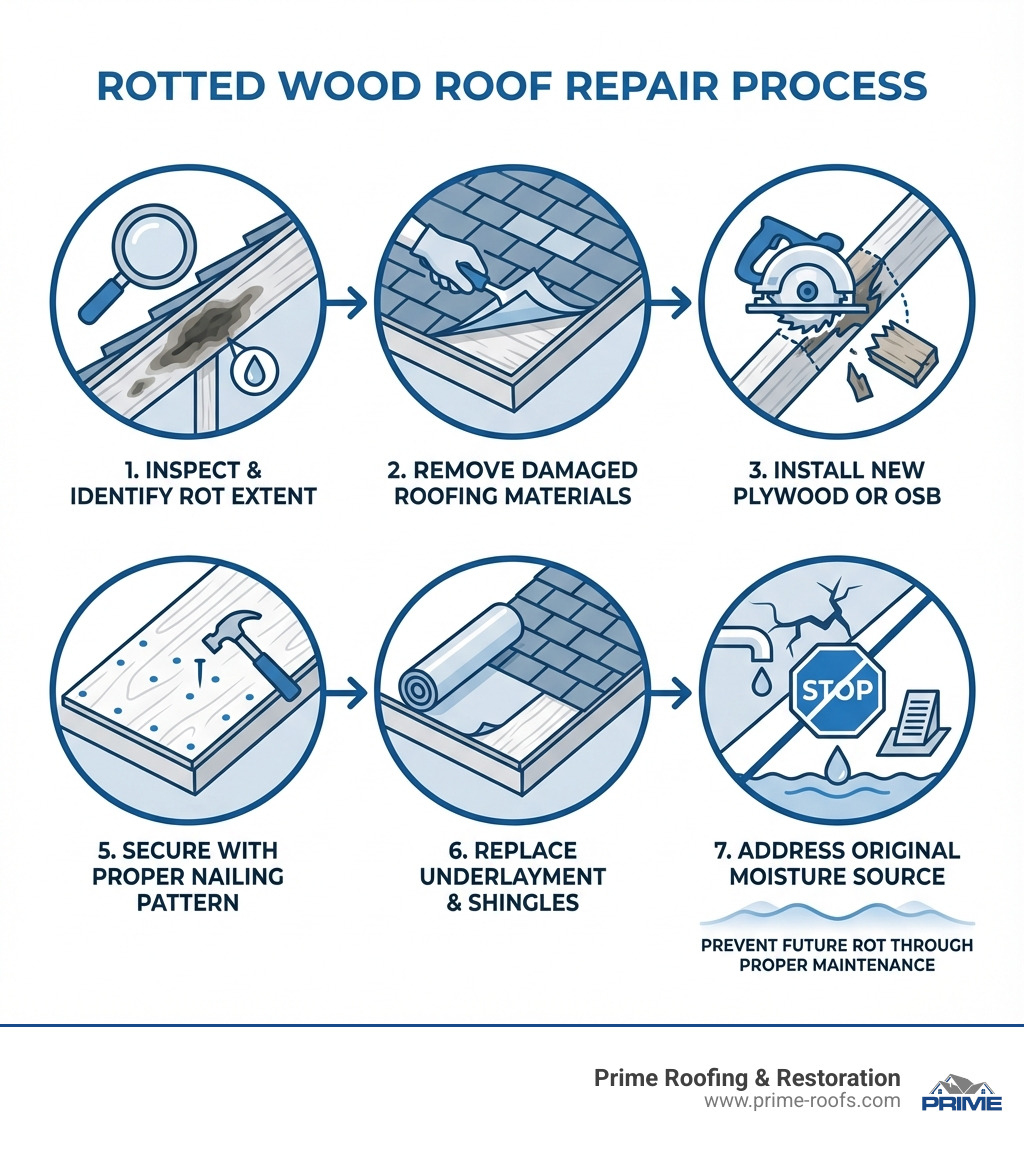
Quick Answer for Rotted Wood Roof Repair:
- Identify the rot: Look for soft, spongy wood, dark stains, musty odors, or sagging sections
- Find the moisture source: Fix leaks, improve ventilation, or repair damaged flashing before addressing the rot
- Remove all damaged wood: Cut out rotted sections back to solid material
- Replace with new materials: Install new plywood or OSB sheathing matching the original thickness
- Reinstall roofing components: Apply new underlayment and shingles over the repaired area
- Prevent future rot: Maintain gutters, ensure attic ventilation, and schedule annual inspections
There’s a hidden threat lurking beneath your shingles that most homeowners never see coming. Wood rot can quietly destroy your roof’s structural integrity for years before showing visible signs from the outside. By the time you notice a soft spot or sagging section, the damage may have already spread to critical framing members.
According to industry research, wood rot can develop in as little as five years when roof components are exposed to persistent moisture. The fungi responsible for this decay don’t just weaken wood—they actively consume it, turning solid structural members into crumbly, spongy material that cannot support the weight of your roofing system.
The stakes are high. Rotted roof decking can lead to collapsed sections, water damage throughout your home, mold growth in living spaces, and repair costs that escalate quickly the longer the problem goes unaddressed. What starts as a minor leak can transform into a major structural emergency if moisture continues feeding fungal growth in your roof deck, rafters, or trusses.
Central Alabama’s climate presents unique challenges for homeowners. Our region experiences significant rainfall, high humidity, and temperature fluctuations that create ideal conditions for wood rot. Storm damage from severe weather can compromise your roof’s protective barriers, allowing moisture to penetrate and start the decay process. This makes proactive inspection and maintenance even more critical for protecting your investment.
I’m Bill Spencer, owner of Prime Roofing & Restoration, and I’ve spent years helping Alabama homeowners address rotted wood roof repair challenges through comprehensive inspections, insurance claim support, and expert restoration. My hands-on experience with both residential and commercial roofing systems has taught me that early detection and proper repair techniques are the keys to preventing minor rot from becoming a catastrophic failure.
The Silent Destroyer: Identifying and Understanding Roof Rot
Wood rot is a form of fungal decay that undermines the structural integrity of your roof. It occurs when moisture infiltrates the wooden components of your roof, creating an environment where fungi thrive and break down the wood fibers. Early detection is critical to minimizing damage and repair costs.
What is Roof Rot?
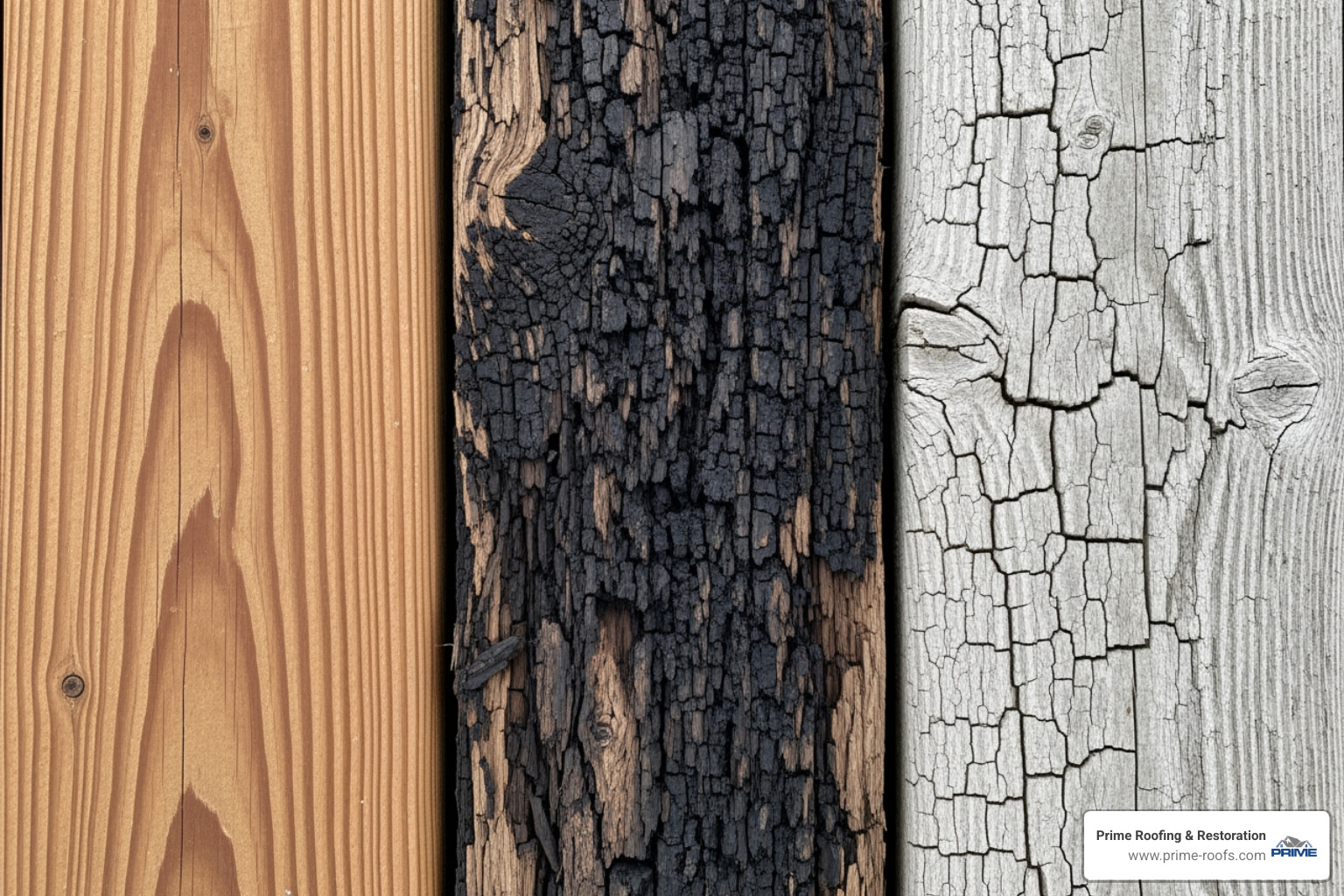
Roof rot is the decomposition of wood caused by specific species of fungi that grow and feed on wood in the presence of moisture. This process causes the wood to lose its structural integrity and strength, often accompanied by discoloration. Essentially, excessive moisture exposure to wood parts of the roof, such as the decking, for extended periods, creates the perfect breeding ground for these destructive fungi. This decay can damage the structural integrity of the wood over time, leading to significant issues.
Common Causes of Moisture
The presence of moisture is the single most common cause of wood rot. Without it, the fungi cannot thrive. Here are the primary culprits that lead to roof deck damage:
- Roof Leaks: The most direct cause. Even a small leak can introduce enough moisture to start the decay process.
- Attic Condensation: Poor attic ventilation can trap warm, moist air, which condenses on the cooler underside of the roof deck. This constant dampness fosters fungal growth. Proper attic ventilation is crucial for maintaining a durable roof and an energy-efficient home, as it helps control temperature and moisture, preventing issues like premature aging, mold, and wood rot.
- Ice Dams: In colder climates like parts of Alabama, ice dams form when melted snow refreezes at the roof’s edge, preventing proper drainage. This standing water can back up under shingles and saturate the roof deck.
- Clogged Gutters: Gutters are designed to divert water away from your home. When they’re clogged with leaves and debris, water can overflow, soaking the fascia, soffits, and potentially the roof edge, leading to rot.
- Damaged Flashing: Flashing—metal strips around chimneys, vents, and skylights—creates a waterproof barrier. If it’s damaged, cracked, or improperly installed, water can seep directly into the roof structure.
Signs of Rotted Wood
Identifying wood rot early can save you from extensive damage. Keep an eye out for these tell-tale signs and symptoms in your roof deck:
- Soft or Spongy Texture: If you can press a screwdriver into the wood easily, or if the wood feels soft and spongy when walked on (during an inspection), it’s a strong indicator of rot.
- Sagging or Bulging: Rotted roof decking can cause the roof surface to bow or bulge, visible from the exterior of your home.
- Musty Odors: A damp, earthy, or moldy smell in your attic or coming from your roof can signal hidden rot.
- Dark Water Stains: Stains on your ceiling, attic rafters, or insulation are clear indicators of moisture intrusion, which often leads to rot.
- Crumbling or Cracking Wood: Wood that crumbles, flakes, or cracks easily is severely compromised. Dry rot, in particular, can cause wood to crack into cube-like patterns.
- Visible Fungal Growth: This can appear as discoloration (black, white, yellow, brown, or grey growths), or even mushroom-like formations, especially in advanced dry rot cases.
- Peeling Paint: Often the first visible sign of wood rot on exterior trim or fascia, caused by water penetration and subsequent drying.
Long-Term Consequences
Ignoring rotted roof decking is a gamble with your home’s structural integrity and your family’s safety. The potential consequences are severe and can escalate rapidly:
- Structural Instability: Wood rot compromises the structural integrity of your roof, weakening the very framework that supports it. This can lead to sagging, bowing, and ultimately, a collapsed roof.
- Risk of Roof Collapse: In severe cases, especially after heavy snow loads or strong winds, a rotted roof can collapse, posing an immediate danger to occupants and causing catastrophic damage to the entire home. Rotting wood can lead to significant issues, such as a collapsed roof or the spread of wood rot to vital structures that keep your house standing.
- Spread of Rot to Other Areas: Fungi are not confined to one area. If left unaddressed, wood rot can spread from the roof deck to rafters, trusses, walls, and even the foundation, jeopardizing your house’s entire structural integrity.
- Damaged Insulation: Moisture from roof rot can saturate attic insulation, severely reducing its R-value and energy efficiency. This leads to higher heating and cooling costs.
- Reduced Energy Efficiency: With compromised insulation and a damaged roof envelope, your home’s energy efficiency plummets, making it harder and more expensive to maintain comfortable indoor temperatures.
- Increased Repair Costs: What starts as a small, localized repair can quickly become a major, costly project if the rot spreads and requires extensive structural remediation. Prompt action is always the most cost-effective approach.
The Different Faces of Fungi: Types of Wood Rot
Understanding the type of rot present helps determine the severity and best repair approach. The three main types are wet rot, dry rot, and white rot, each with unique characteristics.
- Wet Rot: This is the most common type of wood rot we encounter in homes. It typically occurs in areas with consistent, high moisture levels and is usually localized to the source of the dampness. Wood affected by wet rot often feels soft and spongy to the touch, appears dark or black, and may crumble or crack easily when it dries out.
- Dry Rot (Brown Rot): Don’t let the name fool you—dry rot still requires moisture to begin, but it can spread through relatively dry wood once established. This type of rot is more aggressive and can travel beyond the initial moisture source, even through masonry. Wood affected by dry rot typically appears brown and cracks into distinctive cube-like patterns. You might also observe white or grey cotton-like fungal growth, or even mushroom-like structures, which can sometimes resemble pizza! Dry rot specifically may show grey, white, or brown growths and have long cracks.
- White Rot: Less common in residential structures, white rot primarily attacks cellulose and lignin in wood, leaving behind a bleached, stringy, or spongy appearance. The affected wood often feels soft and can appear whitish or yellowish.
Professional Assessment
While recognizing the signs is a great first step, accurately identifying the type and extent of wood rot requires expertise. A thorough roof inspection by a qualified roofer is essential for accurate identification and repair planning. Our team can pinpoint the moisture source, assess the damage, and recommend the most effective rotted wood roof repair strategy.
The Complete Rotted Wood Roof Repair Process: DIY vs. Professional
Once rot is detected, prompt repair is essential. While minor, non-structural rot may be addressed by experienced homeowners, most rotted roof decking and framing repairs require professional expertise to ensure safety and long-term durability.
| Feature | DIY (Minor Rot) | Professional (Roof Deck/Structural Rot) |
|---|---|---|
| Cost | Lower upfront material cost | Higher upfront cost, but often more cost-effective long-term |
| Time | Can be time-consuming, multiple steps | Efficient, completed by experienced crews |
| Safety | Risks of working at heights, tool handling | Trained, insured professionals with safety equipment |
| Tools | Basic hand tools, specific rot repair kits | Specialized roofing tools, safety gear, structural repair equipment |
| Effectiveness | Suitable for superficial, non-structural rot | Comprehensive, addresses root cause, ensures structural integrity |
| Warranty | None | Typically includes a warranty on labor and materials |
| Expertise | Relies on homeowner’s skill and research | Licensed, experienced roofers with in-depth knowledge of roofing systems |
| Building Codes | May overlook local building code compliance | Ensures all repairs meet local building codes and standards |
DIY Steps for Minor Rotted Wood Roof Repair
DIY repairs are only suitable for very small, non-structural areas such as fascia or trim that do not bear structural loads. For roof decking or framing, always consult a professional. Attempting structural roof repairs without proper knowledge and equipment can be dangerous and lead to further damage.
- Essential Tools and Materials: For minor rotted wood roof repair on non-structural components, you’ll typically need a putty knife, chisel, sandpaper, drill, safety glasses, gloves, a liquid wood hardener, two-part epoxy filler, primer, and paint.
- Step 1: Remove Rot: Carefully excavate all soft, decayed wood until only solid, healthy material remains. Use your chisel and putty knife to scrape and dig out all affected areas.
- Step 2: Apply Hardener: Brush on a liquid wood hardener to reinforce the remaining wood fibers. This penetrates the wood, strengthening it and creating a solid base for the filler. Allow it to dry according to manufacturer instructions.
- Step 3: Fill with Epoxy: Mix and apply a two-part epoxy filler. Apply it in layers, slightly overfilling the area to allow for sanding. This Old House offers excellent guidance on applying these fillers.
- Step 4: Sand and Finish: Once the epoxy is fully cured, sand the patch smooth and flush with the surrounding wood. Then, apply a coat of primer followed by exterior paint to match the existing finish.
- Dutchman Repair: For larger cosmetic repairs where the rot is localized but too extensive for just filler, the Dutchman technique can be employed. This involves precisely cutting out the rotted section and fitting a new, custom-cut piece of wood (the “Dutchman patch”) into the void. This method requires a good level of woodworking skill to ensure a seamless and durable repair. You can find detailed instructions on how to perform a Dutchman repair on This Old House.
Professional Rotted Wood Roof Repair: What to Expect
For any rot affecting the roof deck (sheathing), rafters, or trusses, professional intervention is required. Licensed roofers have the training, tools, and materials to restore your roof safely and effectively. When rot has compromised the structural integrity of these components, replacement is usually the best option.
- Step 1: Comprehensive Inspection: Our certified roofers will conduct a thorough inspection to accurately assess the extent of the rot, identify the exact moisture source, and determine the necessary repairs. This often involves inspecting both the exterior roof and the interior attic space.
- Step 2: Remove Roofing Materials: Shingles, underlayment, and any damaged flashing are carefully removed from the affected area, extending beyond the visible rot to ensure all compromised materials are exposed.
- Step 3: Replace Rotted Sheathing: Damaged roof decking (plywood or OSB) is carefully cut out using precise measurements. New plywood or OSB of matching thickness is then cut to fit and securely fastened to the rafters using 8d ring shank nails at 6 inches on center to all framing members. If required due to roof geometry, nailing at 4″ on center may be used on any panel adjacent to a gable end. We ensure the replacement decking is the same thickness as the original and that at least one rafter supports each section.
- Step 4: Address Structural Damage: If rafters or trusses are affected by rot, they will be reinforced or replaced according to local building codes. This might involve sistering new wood alongside damaged members or completely replacing compromised sections to restore full structural integrity.
- Step 5: Re-install Roofing System: After the structural repairs are complete, new underlayment is installed, ensuring new ice and water protector overlaps old by a few inches. Finally, new shingles are installed to match the existing roof, completing the repair and restoring your roof’s protective barrier.
- Why Hire a Pro: Hiring a professional for rotted wood roof repair offers numerous benefits. It ensures safety for everyone involved, provides an accurate diagnosis of the problem, guarantees the use of proper materials and techniques, ensures compliance with local building codes, and typically includes a warranty on both labor and materials, giving you peace of mind. Professional roofers have the specialized tools, techniques, and safety knowledge required for effective and safe repairs.
- Local Expertise: If you’re in Alabaster, AL, Hoover, AL, Orange Beach, AL, Ono Island, AL, or Gulf Shores, AL, and suspect roof rot, consult our local roofers near you for prompt, reliable service. Our teams are familiar with the specific challenges and building codes in these areas.
Proactive Protection: How to Prevent Future Wood Rot
Preventing wood rot is all about moisture control. By keeping your roof’s wooden components dry, you eliminate the primary condition fungi need to grow.
- Regular Roof Inspections: Schedule a professional roof inspection annually and after major storms. Early detection of minor issues, like a loose shingle or cracked flashing, can prevent them from escalating into widespread rot. We can identify potential vulnerabilities before they become costly problems.
- Maintain Gutters: Keep gutters clean and free of debris to ensure proper water drainage away from the roof edge and foundation. Clogged gutters can cause water to pool, leading to saturation of fascia boards and roof decking.
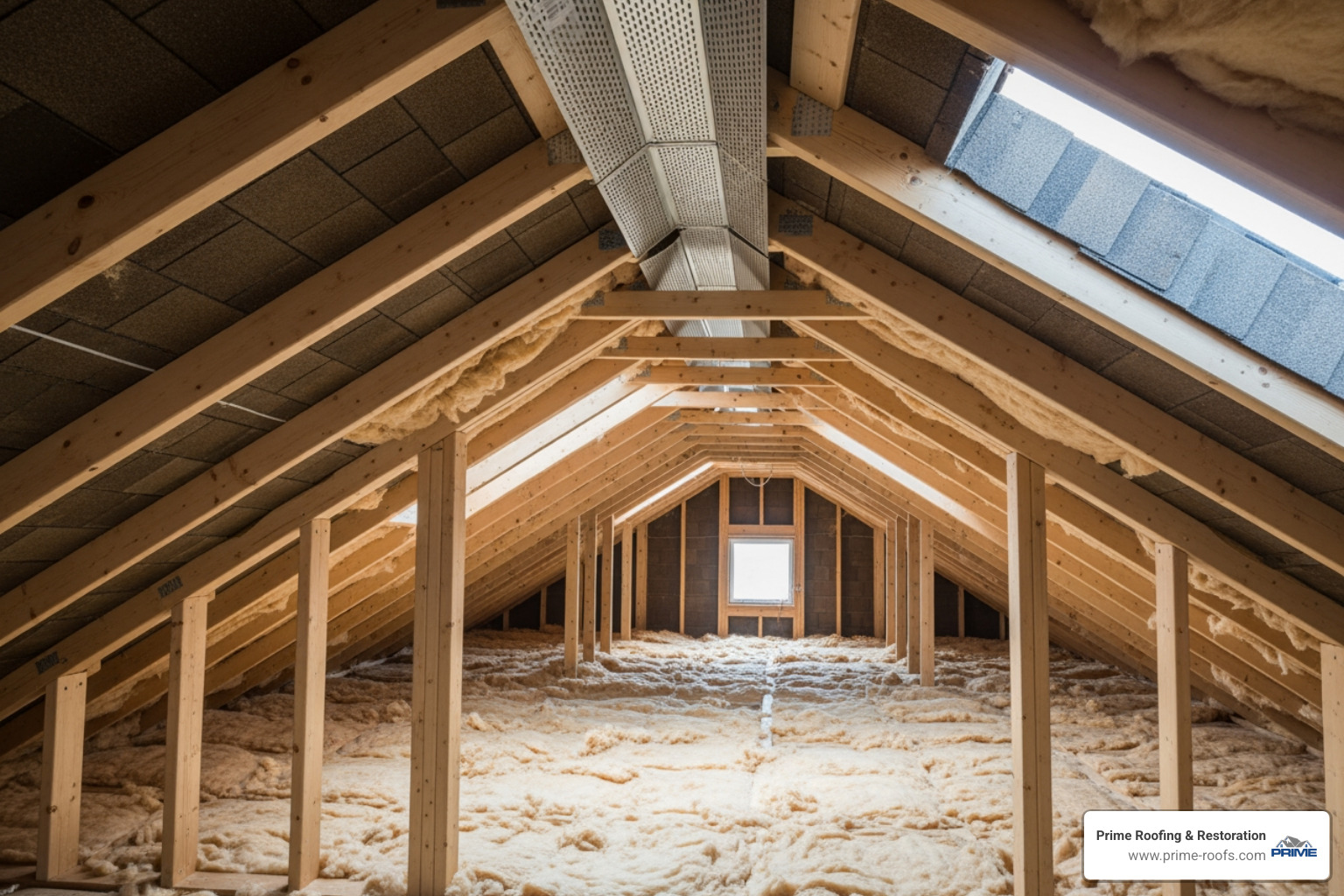
- Ensure Proper Attic Ventilation: A well-ventilated attic prevents condensation by allowing moist, warm air to escape. This is crucial for preventing moisture buildup that leads to wood rot, mold, and ice dams. Proper attic ventilation involves the natural flow of air through your attic space using a combination of intake and exhaust vents. Ridge vents, for instance, run along the peak of the roof and provide a continuous outlet for hot air, while soffit vents are located under the eaves and allow cooler air to enter the attic. According to the International Association of Certified Home Inspectors, proper attic ventilation can extend roof life by up to 50%.
- Address Leaks Immediately: Even a tiny leak can start the rot process. Prompt repairs prevent small leaks from causing widespread rot. If you suspect water is penetrating your roof, you’ll want to have a professional roofing company inspect your home right away.
- Inspect Flashing: Regularly inspect flashing around chimneys, vents, and skylights to ensure it is intact, properly sealed, and free of cracks or corrosion. Damaged flashing is a common entry point for water that can lead to hidden rot.
Frequently Asked Questions about Rotted Wood Roof Repair
When is the best time to inspect a roof for wood rot?
The best times to inspect a roof for wood rot are strategically important for early detection and prevention. We recommend an inspection:
- Annually: A professional inspection once a year, ideally in spring or fall, can catch minor issues before they worsen.
- After Major Storms: High winds, heavy rain, or hail can damage shingles and flashing, creating entry points for moisture.
- During a Full Roof Replacement: This is the ideal time to inspect and replace any compromised decking or structural elements, as the roof is already exposed.
- After a Leak or Ice Dam: If you’ve experienced a leak, ice dam, or tree damage, a targeted inspection is crucial to assess underlying rot.
- When Buying a New Home: A pre-purchase inspection can uncover hidden rot and save you from unexpected future repair costs.
- If the Attic has Moisture Issues: Any sign of dampness, mold, or musty smells in the attic warrants an immediate inspection.
Can I just repair a small section of rotted roof?
Yes, it is often possible to repair just a section of a roof, especially if the rot is localized and the underlying cause of moisture has been identified and fixed. A professional roofer can carefully cut out the damaged sheathing and replace it with new material, blending the new components seamlessly with the existing roof. However, the key is to ensure the rotted wood roof repair addresses the root cause of the moisture to prevent recurrence. If the rot is extensive or affects structural components, a larger repair or even a partial roof replacement may be necessary.
What happens if a roofer doesn’t replace rotted decking during a roof replacement?
Installing new shingles over rotted decking is a critical mistake that can lead to significant problems. If a roofer fails to replace rotted decking after a leak or during a full roof replacement, here’s what you can expect:
- Poor Shingle Adhesion: New shingles will not properly adhere or secure to soft, spongy wood. Nails will not hold, leading to loose shingles, blow-offs, and premature roof failure.
- Voided Warranties: Shingle manufacturers’ warranties typically require installation on sound decking. Installing over rot will likely void your new shingle warranty.
- Continued Structural Deterioration: The rot will continue to spread, further compromising your roof’s structural integrity, potentially leading to sagging, leaks, and eventual collapse.
- Safety Risks: A compromised roof structure poses a serious safety hazard to anyone on the roof or inside the home.
- Recurring Leaks: Even with new shingles, water can still find its way through the weakened decking, leading to persistent leaks.
Always ensure your roof repair estimate includes replacing any rotted decking. If you’re unsure about a previous repair, it’s wise to get a second opinion from a trusted professional.
Secure Your Home by Addressing Roof Rot Today
Ignoring the subtle signs of rotted wood in your roof is a gamble no homeowner should take. As we’ve detailed, what begins as a minor moisture issue can quietly escalate into a major structural crisis, threatening the safety of your family and the integrity of your entire home. From the spongy feel of wet rot to the destructive spread of dry rot, fungal decay actively consumes the wooden framework of your roof, turning solid supports into a hazardous liability. The consequences—ranging from sagging rooflines and persistent leaks to catastrophic collapse and skyrocketing repair costs—are far too severe to overlook.
The key to protecting your investment lies in a two-pronged approach: proactive prevention and decisive action. By committing to a routine of regular roof inspections, diligent gutter maintenance, and ensuring your attic has proper ventilation, you can control moisture and stop wood rot before it ever starts. However, if you already suspect rot has taken hold, the time for waiting is over. A prompt, professional assessment is the only way to accurately diagnose the extent of the damage and implement a lasting solution.
For homeowners in Central Alabama and along the Gulf Coast, the unique combination of high humidity, heavy rainfall, and storm activity makes our roofs particularly vulnerable. At Prime Roofing & Restoration, we specialize in navigating these local challenges. Our team of licensed and insured experts provides comprehensive rotted wood roof repair services, from initial inspection and moisture source detection to complete structural restoration. We don’t just patch the problem; we provide end-to-end solutions that restore your roof’s strength and protect your home for years to come.
Don’t let wood rot compromise your peace of mind. If you’ve noticed any warning signs or need a thorough roof inspection in the Alabaster, AL area or our surrounding service communities, contact the trusted professionals at Prime Roofing & Restoration today. Call us for a detailed, no-obligation roof repair estimate and take the first step toward securing your home. Reach out to our team at (205) 579-8314.
Contact Prime Roofing & Restoration for Expert Service
For reliable, professional roofing services in the greater Birmingham area and the Alabama Gulf Coast, trust the experts at Prime Roofing & Restoration. We are dedicated to providing top-quality workmanship and exceptional customer service. Contact us today to schedule your inspection or to discuss your roofing needs.
Prime Roofing & Restoration
Address:
123 Business Park Dr
Alabaster, AL 35007
Phone:
(205) 579-8314
Click Here for a Map and Directions to Our Alabaster Office
Hours of Operation:
Monday – Friday: 8:00 AM – 5:00 PM
Saturday: By Appointment Only
Sunday: Closed
Our Service Areas
We are proud to serve homeowners and businesses throughout Central Alabama and the Gulf Coast. Our primary service areas include:
- Alabaster, AL
- Hoover, AL
- Birmingham, AL
- Orange Beach, AL
- Gulf Shores, AL
- Ono Island, AL
- And the surrounding communities.
No matter your location within our service region, you can count on Prime Roofing & Restoration for prompt, effective, and professional rotted wood roof repair and all other roofing services. From storm damage insurance claims to full roof replacements, our local teams are ready to help.